

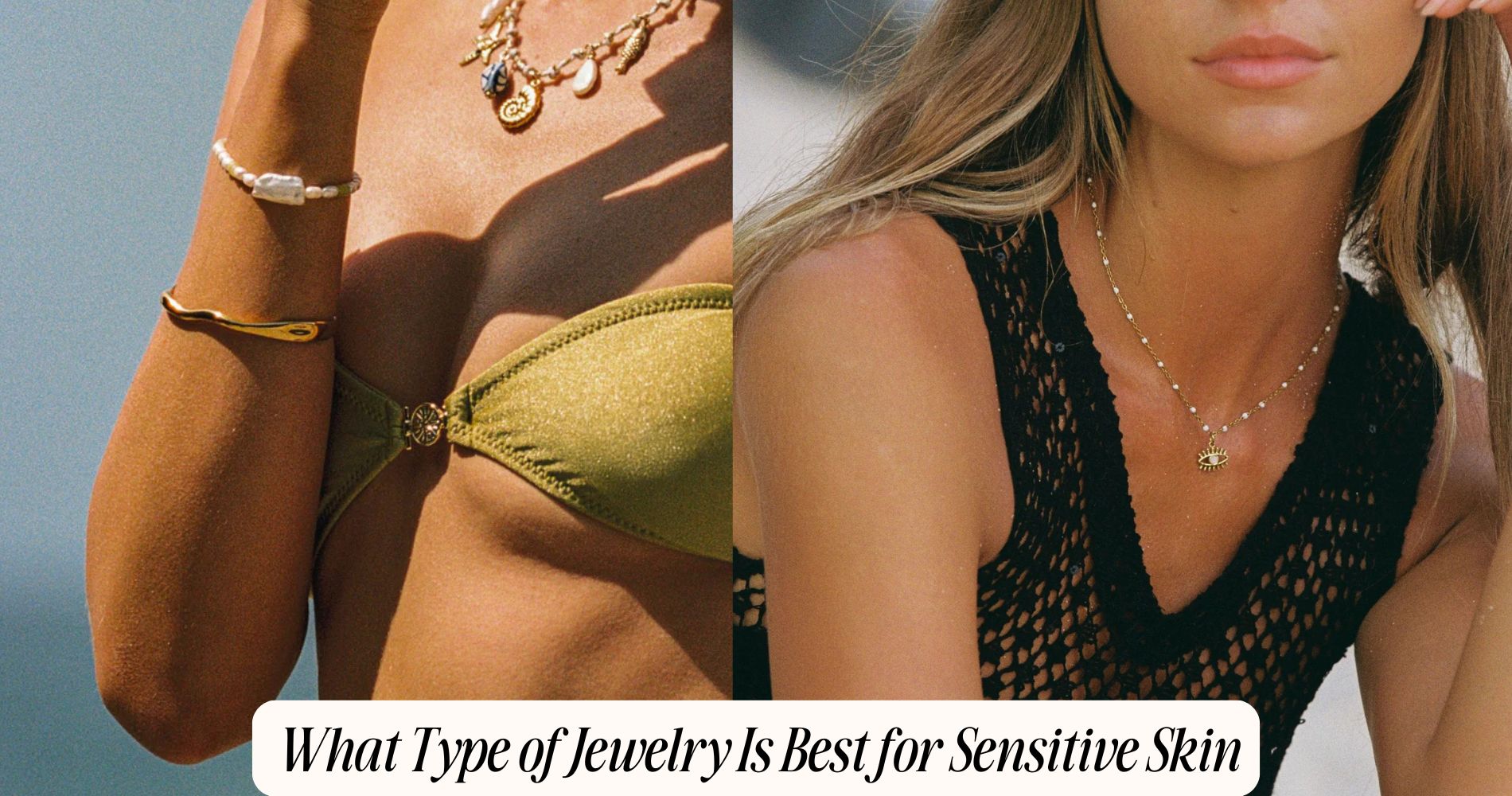
What Type of Jewelry Is Best for Sensitive Skin
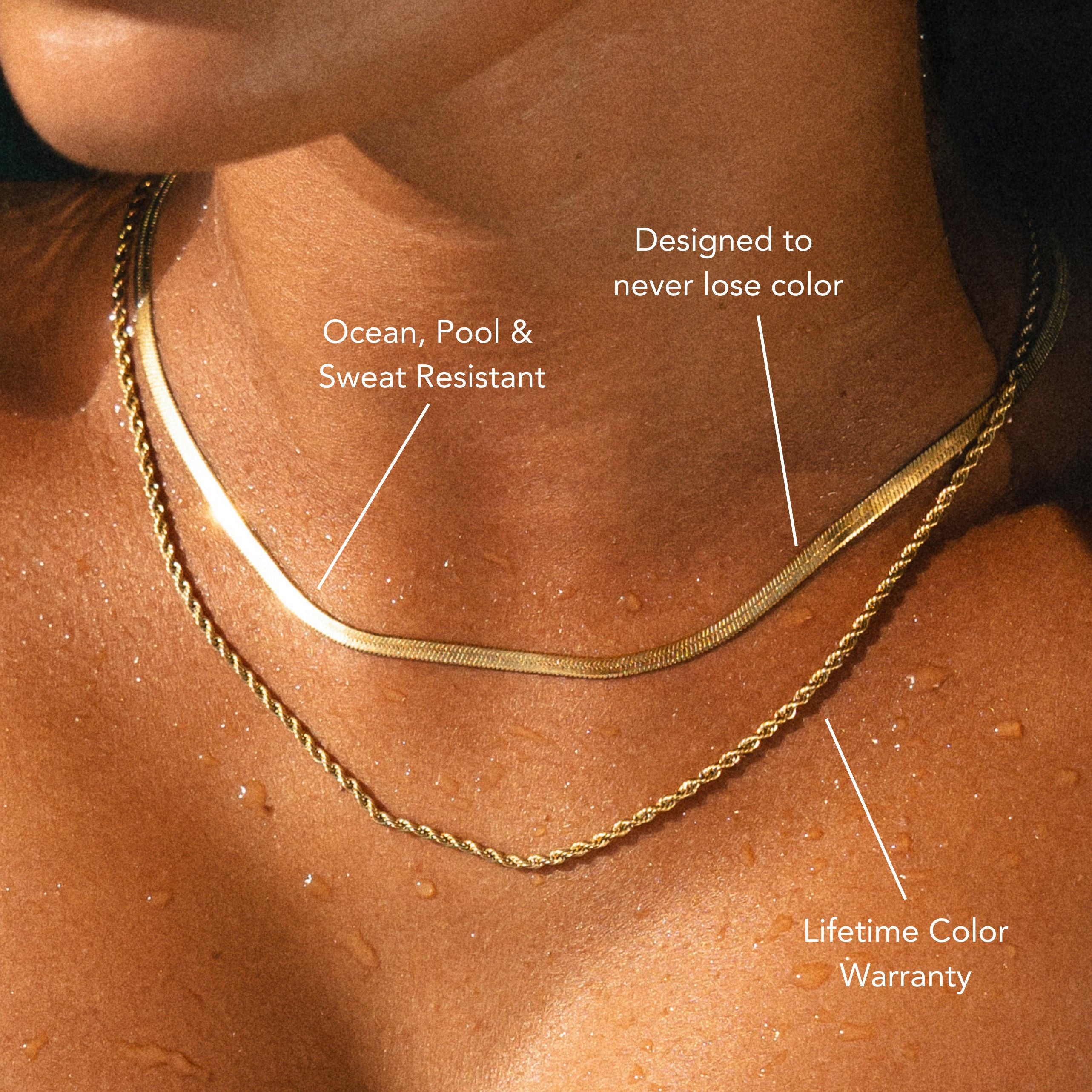
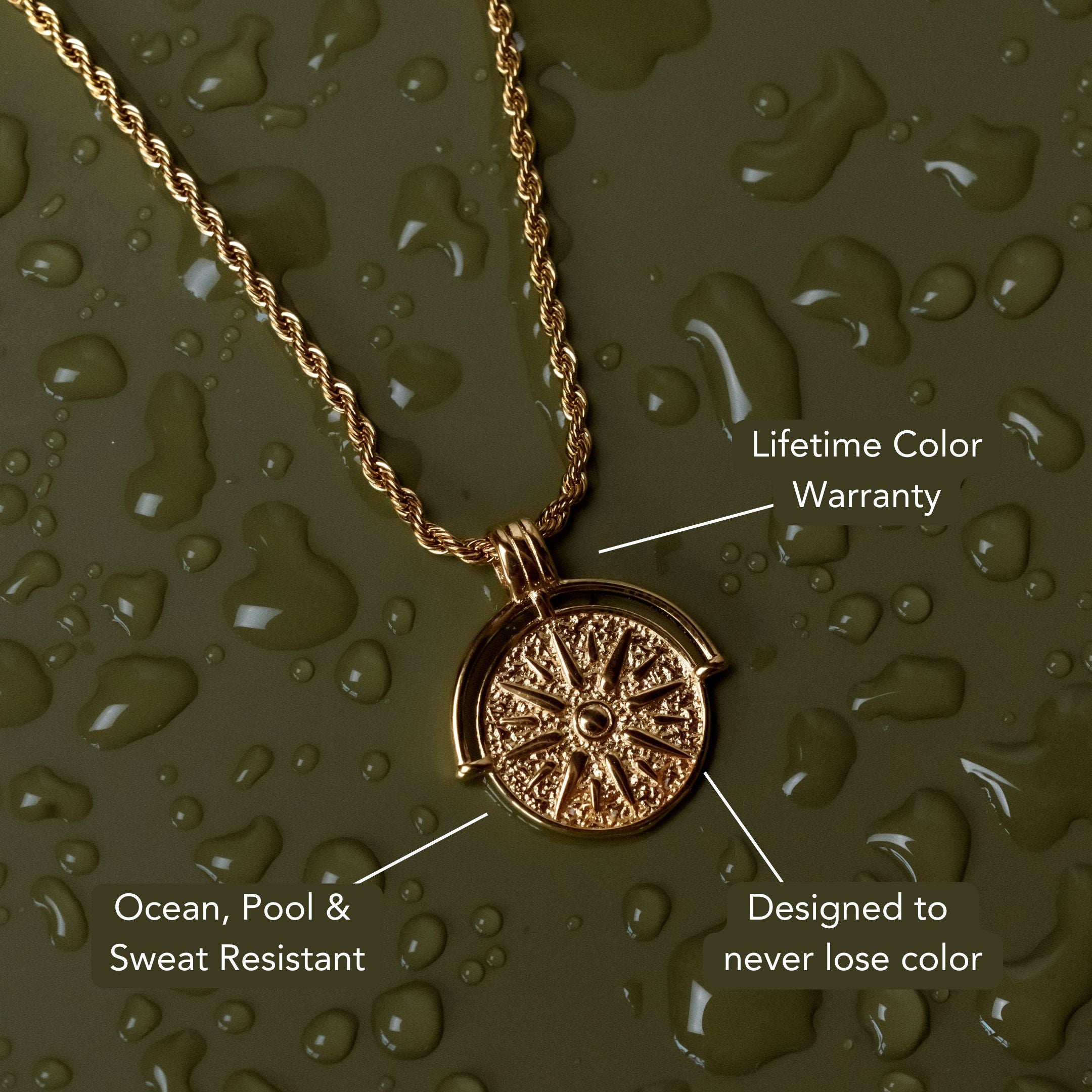
If you’re wondering what type of jewelry is best for sensitive skin, the answer starts with truly hypoallergenic metals that release very few metal ions. Opt for implant-grade titanium, niobium, surgical stainless steel, nickel-free 14K–18K gold, or platinum—materials far less likely to trigger redness, itching, or blistering compared to nickel, cobalt, or low-grade alloys. Steer clear of cheap “fashion” jewelry and thin, mystery platings. And if you want pieces you can wear all day without irritation, consider sweat-resistant options like our sweatproof-jewelry collection designed specifically for sensitive skin.
Understanding What Causes Skin Reactions to Jewelry
Although it can feel like you’re “allergic to jewelry,” most skin reactions come down to how your immune system responds to specific metals, especially nickel and, less commonly, cobalt or chromium.
When these metals contact your skin, tiny particles dissolve in sweat or moisture and penetrate the outer layer. Your immune system can misidentify them as threats and trigger allergic reactions.

You typically don’t react the first time. Instead, your body becomes sensitized over repeated exposures. Once sensitized, even brief contact can cause redness, itching, burning, or blisters where the jewelry touches.
These responses are called contact dermatitis and fall under skin sensitivities. Factors like friction, humidity, and existing eczema lower your skin barrier, making reactions more likely and sometimes more severe.
Metals to Avoid If You Have Sensitive Skin
For most people with sensitive skin, a few specific metals cause the majority of problems, and nickel tops that list by a wide margin.
Nickel allergies affect an estimated 10–20% of the population, especially women and people with ear piercings. You’ll often find nickel in “fashion” jewelry, mixed into base metals or low‑grade alloys.
You should also be cautious with cobalt and chromium, common in some plated pieces and watchbands.
These metals can trigger similar reaction symptoms: redness, itching, burning, dryness, and sometimes small blisters where the jewelry touches your skin.
Low‑karat “mystery” gold or white gold may conceal nickel or other sensitizing metals, so if you’re reactive, don’t assume a gold color automatically means your skin is safe.
Hypoallergenic Metals That Are Gentle on Skin
When you know which metals tend to trigger reactions, it becomes much easier to focus on those that are genuinely gentle on skin. You’ll want jewelry materials with low allergenic potential and minimal reactive trace elements, especially nickel.
Medical and dermatology literature consistently supports titanium (implant‑grade), niobium, and surgical‑grade stainless steel (316L, 316LVM) as reliable hypoallergenic options. These metals form stable surface oxides that reduce ion release, which lowers the risk of contact dermatitis.
For precious metals, choose high‑karat gold (14K–18K, nickel‑free alloys) and platinum, both associated with low sensitization rates.
If you react to brass or bronze, consider copper alternatives such as pure titanium or niobium instead; they offer similar warmth in tone without the higher risk of metal‑ion irritation.
Safe Plating, Coatings, and Finishes to Look For
Knowing which base metals your skin tolerates is only half the story; the surface your skin actually touches is often a plating or coating.
You’ll want inert, non‐porous safe coatings that act as a barrier between your skin and any allergenic core metal. Look for thick rhodium plating over sterling silver, platinum-group platings, or high‑karat gold plating (14k and above) specified in microns; thicker layers generally mean more durable finishes and less exposure risk.

PVD (physical vapor deposition) titanium nitride or zirconium coatings are hypoallergenic and highly stable.
Medical‑grade epoxy or ceramic coatings can also reduce metal ion release, but they must be uniformly applied and chip‑resistant.
Avoid thin, unspecified “fashion plating,” which erodes quickly and can expose nickel-containing layers.
How to Choose Everyday Pieces That Won’t Irritate
So how do you turn all this information into jewelry you can actually wear every day without itching, redness, or rashes?
Start by limiting skin contact points. Choose small, smooth, lightweight designs that won’t trap sweat or friction, especially on the neck, earlobes, and under rings. Flat, rounded edges and low profiles are more skin-compatible than bulky, textured pieces.
Prioritize comfortable styles that match your daily activities: snug-but-not-tight hoops, short necklaces that don’t shift constantly, and rings with a slightly looser fit to accommodate swelling.
Make practical choices about where metal touches skin—opt for fabric, silicone, or coated components at high-friction areas like clasps or backs.
Finally, test new pieces gradually, wearing them for short intervals to monitor any early irritation.
Care Tips to Keep Your Jewelry Skin-Friendly Over Time
Although choosing the right metals is essential, your daily care routine often determines whether jewelry stays skin-friendly or becomes an irritant over time.
Prioritize consistent jewelry maintenance: remove pieces before exercise, swimming, or applying lotions and fragrances, since sweat, chlorine, and solvents can leach trace metals and trap irritants against skin.
Use gentle cleaning techniques. For gold, platinum, and surgical-grade stainless steel, wash with lukewarm water, mild fragrance‑free soap, and a soft brush; rinse thoroughly and dry completely to reduce moisture‑related dermatitis.
For sterling silver, use a dedicated, nickel‑free polish cloth rather than abrasive cleaners.

Store pieces separately in dry, non‑fibrous pouches to limit friction and corrosion.
At any sign of redness, itching, or scaling, stop wearing the item and consult a dermatologist.
Frequently Asked Questions
Can Sensitive Skin Reactions to Jewelry Improve or Worsen With Age?
Yes, your reactions can improve or worsen as sensitivity changes with age factors. You might outgrow mild nickel allergy, but cumulative exposure, hormonal shifts, and skin-barrier decline can also intensify reactions. Patch testing guides safer long-term jewelry choices.
Is Vintage or Antique Jewelry Riskier for Sensitive Skin Than New Pieces?
Yes, it’s often riskier. Vintage materials and antique settings may contain unregulated nickel, copper, or lead, plus metal degradation. You’ll lower reactions by choosing tested, hallmark‑stamped pieces, solid hypoallergenic metals, or modern replacements for suspect components.
Can I Wear Jewelry While Exercising if I Have Sensitive Skin?
You can, but you should limit it. Choose sweat resistant, exercise friendly pieces made from nickel‑free stainless steel, platinum, or solid gold. Avoid friction‑prone items, clean skin and jewelry afterward, and stop wearing them if irritation appears.
Are There Specific Gemstones Better Suited for People With Metal Allergies?
Yes. You can choose inert stones like quartz, sapphire, ruby, and lab-created gems; they rarely trigger reactions. Focus on gemstone properties plus hypoallergenic options like titanium or platinum settings, since allergies usually involve metal, not the stone.
How Do I Test New Jewelry at Home for Potential Skin Irritation?
You test new jewelry by doing skin patch testing: tape it to your inner forearm for 24–48 hours, then inspect for redness, itching, or swelling. Prioritize hypoallergenic materials like titanium, niobium, platinum, or surgical‑grade stainless steel.
Conclusion
When you understand what actually triggers your skin reactions, you can choose jewelry that’s both safe and stylish. Prioritize hypoallergenic metals like platinum, titanium, niobium, and high‑karat gold, and be wary of vague “nickel-free” labels. Look for high-quality plating, smooth finishes, and secure clasps for everyday wear. Finally, clean your pieces regularly and monitor your skin. If irritation persists, stop wearing the item and talk with a dermatologist or allergist.







Leave a comment
This site is protected by hCaptcha and the hCaptcha Privacy Policy and Terms of Service apply.