

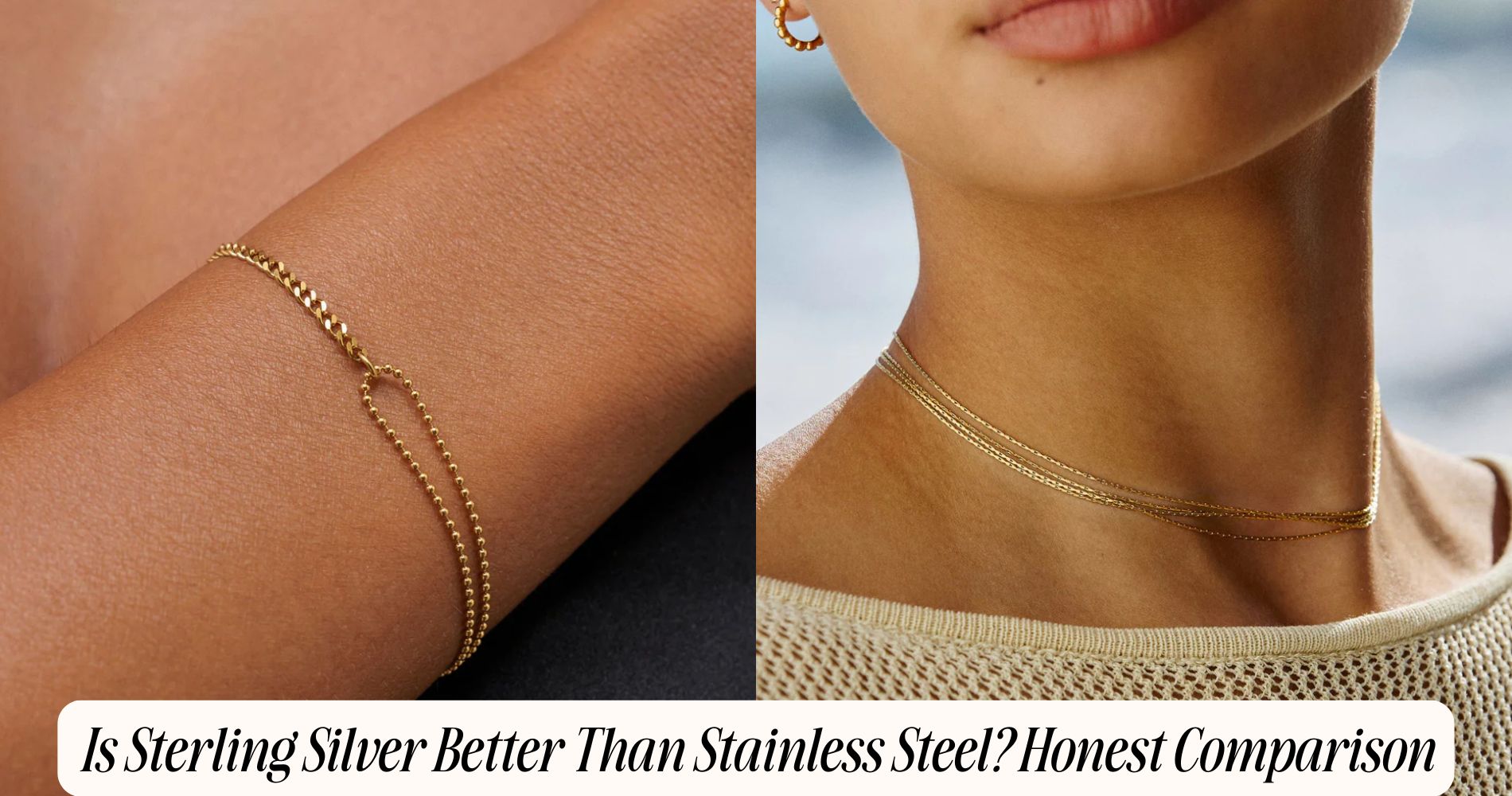
Is Sterling Silver Better Than Stainless Steel? Honest Comparison
Is sterling silver better than stainless steel? There’s no single “better” option—it depends on your priorities. Sterling silver (92.5% Ag) offers a brighter, neutral-white luster and supports intricate filigree, but it’s softer (≈70–100 HV) and tarnishes over time (Ag₂S), requiring periodic care. Stainless steel (304/316) has a cooler gray tone, is harder (≈150–220 HV), resists scratches, and needs minimal maintenance thanks to its protective chromium oxide layer. For sensitive skin, nickel-free sterling or medical-grade 316L/F138 steel is key—both commonly found in Hypoallergenic Jewelry. Silver costs more and suits heirloom pieces, while steel excels for durable, everyday wear. Here’s what ultimately tips the balance.
Appearance and Style Differences
Although both metals can look similar at a glance, their visual signatures differ under close inspection.
You’ll see sterling silver (92.5% Ag, 7.5% Cu or alloy) display a high, neutral-white reflectance (~92% hemispherical), yielding a bright, cool luster that photographs crisp under daylight.
Stainless steel (commonly 304/316) shows a slightly grayer, colder tone due to chromium-oxide passivation, with lower specular pop.
If you need color variations, sterling silver accepts patinas, rhodium plating, blackening, and selective oxidization with fine gradient control.
Stainless supports PVD coatings (gold, black, rainbow) and brushing/ bead-blast finishes for industrial aesthetics.
For design versatility, silver’s lower melting point and superior malleability enable sharper filigree, crisp hand-engraving, and micro-prong settings.
Steel favors clean geometrics, uniform surfaces, and modern minimal profiles with consistent finish repeatability.

Durability, Hardness, and Scratch Resistance
When durability drives the choice, stainless steels like 304 and 316 outperform sterling silver by a wide margin in hardness and abrasion resistance.
In a durability comparison, 304/316 stainless typically measures ~150–220 HV (Vickers), while sterling silver (92.5% Ag–Cu) sits ~70–100 HV. That hardness gap translates to better scratch resistance: stainless resists everyday scuffs from keys, grit, and desk contact; sterling marks more easily and develops wear facets faster.
For a hardness evaluation, note yield strength: 304/316 commonly reach 200–300 MPa, versus ~90–140 MPa for annealed sterling.
Stainless work-hardens under sliding contact, improving surface robustness; sterling also work-hardens, but from a softer baseline. If you want crisp edges, engravings, and finishes to last under routine friction, stainless holds geometry longer and shows fewer visible abrasions.
Maintenance, Tarnish, and Everyday Care
Because corrosion behavior differs by alloy, day-to-day care diverges sharply:
304/316 stainless forms a self-healing Cr2O3 passive film that resists discoloration in air, sweat (pH ~4.5–7), and most tap water, so you typically rinse, dry, and occasionally soap-clean to remove chlorides.
Avoid bleach and high-chloride pools; wipe after exposure to sunscreen or salt. For long term care, a microfiber cloth and mild detergent suffice; no abrasives.
Sterling silver (92.5% Ag, ~7.5% Cu) tarnishes via Ag2S formation from airborne sulfides.
You’ll slow it by storing pieces in low-humidity, sulfur-adsorbing pouches with anti-tarnish strips.
Use controlled cleaning techniques: 5–10% ammoniated soap, warm water, soft cloth; follow with thorough drying.
For heavier films, use thiourea-based silver dips sparingly, rinse, dry, and re-polish to restore luster.

Skin Sensitivity and Metal Allergies
Two variables drive skin reactions to jewelry: alloy composition and the ions it releases in sweat.
Sterling silver (92.5% Ag, ~7.5% Cu) rarely triggers nickel-related skin reactions, but copper can cause green discoloration in acidic sweat and, in rare cases, contact dermatitis.
Nickel-free sterling lowers risk further, yet sulfur-rich environments can form silver sulfide films that irritate abraded skin.
Stainless steel varies.
304 and 316L contain 8–12% Ni bound in a chromium-rich passive film. In intact passivation and neutral sweat, nickel release typically stays below 0.5 µg/cm²/week, minimizing allergy symptoms.
However, chloride-heavy sweat, abrasion, or cheap plating defects increase nickel ion release.
For known nickel sensitivity, choose ASTM F138/F316L surgical steel or PVD-coated, niobium, titanium, or fine silver for lowest reactivity.
Price, Value, and When to Choose Each
Although both metals sit in the “affordable” tier, their price structures and lifecycle costs differ sharply.
Sterling silver (92.5% Ag) tracks commodity silver, so retail prices float with spot markets and labor. Stainless steel (304/316) is nickel-chromium-iron, mass-produced, and price-stable.
A cost analysis shows silver’s higher upfront cost plus periodic polishing or rhodium replating, while steel’s costs cluster at purchase with negligible maintenance.
Choose sterling silver when you want hallmarkable precious metal, resale liquidity, and long-term investment potential tied to silver’s spot price. It also enables fine settings and repairability.
Choose stainless steel when you prioritize abrasion resistance, corrosion resistance (especially 316L), and budget predictability for daily-wear pieces.
For gifts, heirlooms, or gemstone mounts, pick silver; for gym, travel, or bulk accessories, pick steel.

Frequently Asked Questions
How Does Each Metal Perform in Saltwater or Chlorinated Pools?
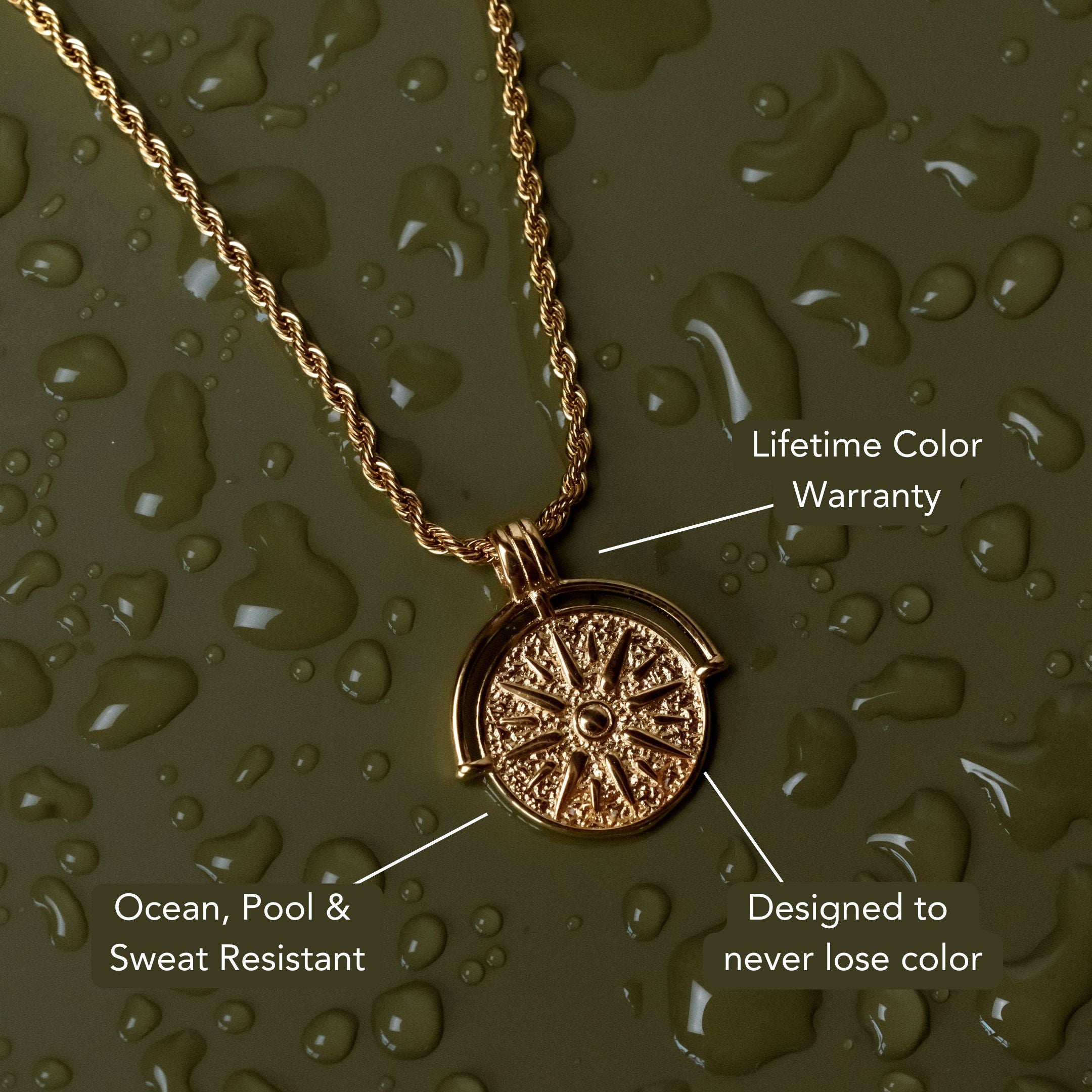
Stainless steel outperforms sterling silver. In saltwater, 316L resists saltwater corrosion via molybdenum; sterling silver pits, tarnishes, and dealloys. In chlorinated pools, stainless maintains pool longevity; silver suffers chloride-induced crevice corrosion. Rinse, dry, and passivate for best durability.
Are There Ethical or Sustainability Differences Between the Metals?
Yes. You’ll see differences: sterling silver depends on mined silver—ethical sourcing and traceability vary; recycled content lowers impact. Stainless steel often uses high recycled content, robust sustainability practices, and longer lifespan, but nickel/chromium mining impacts persist without certified responsible supply chains.
Can Either Metal Be Safely Resized or Repaired by Jewelers?
Yes. You can resize and repair sterling silver routinely using soldering and stretching resizing techniques; repair limitations are minimal. Stainless steel’s high hardness requires laser welding and specialized tools; resizing techniques are limited, heat-sensitive, and often impractical beyond small adjustments.
Do Magnets Affect Sterling Silver or Stainless Steel Jewelry?
Yes. You’ll find sterling silver is effectively non-magnetic; magnets don’t affect it. Stainless steel varies: austenitic grades (304/316) are weakly magnetic, martensitic/ferritic are strongly magnetic. Magnetic properties don’t predict jewelry durability; corrosion resistance and hardness do.
How Do Engraving Results Differ Between Sterling Silver and Stainless Steel?
Sterling silver engraves cleaner and deeper with traditional engraving techniques due to softness (HV ~75), yielding high design versatility and crisp contrast. Stainless steel (HV ~150–200) resists cutting, requiring laser/fiber engraving, producing shallower marks, lower contrast, yet superior durability.
Conclusion
You don’t need a one-size-fits-all answer. If you want bright luster, easy resizing, and heirloom value, choose sterling silver (92.5% Ag), but expect tarnish and softer hardness (~75–100 HV). If you prioritize scratch resistance, low maintenance, and corrosion performance, pick 316L stainless (Fe-Cr-Ni-Mo; ~150–200 HV). For sensitive skin, nickel-free sterling or ASTM F138/F2991 implant-grade stainless wins. Budget favors stainless. For formal pieces and stones, go silver; for daily wear or water exposure, go stainless.




%20offers%20a%20brighter,%20neutral-white%20luster%20and%20supports%20intr...)
Leave a comment
This site is protected by hCaptcha and the hCaptcha Privacy Policy and Terms of Service apply.