



How Do You Know If Something Is Pure Silver?
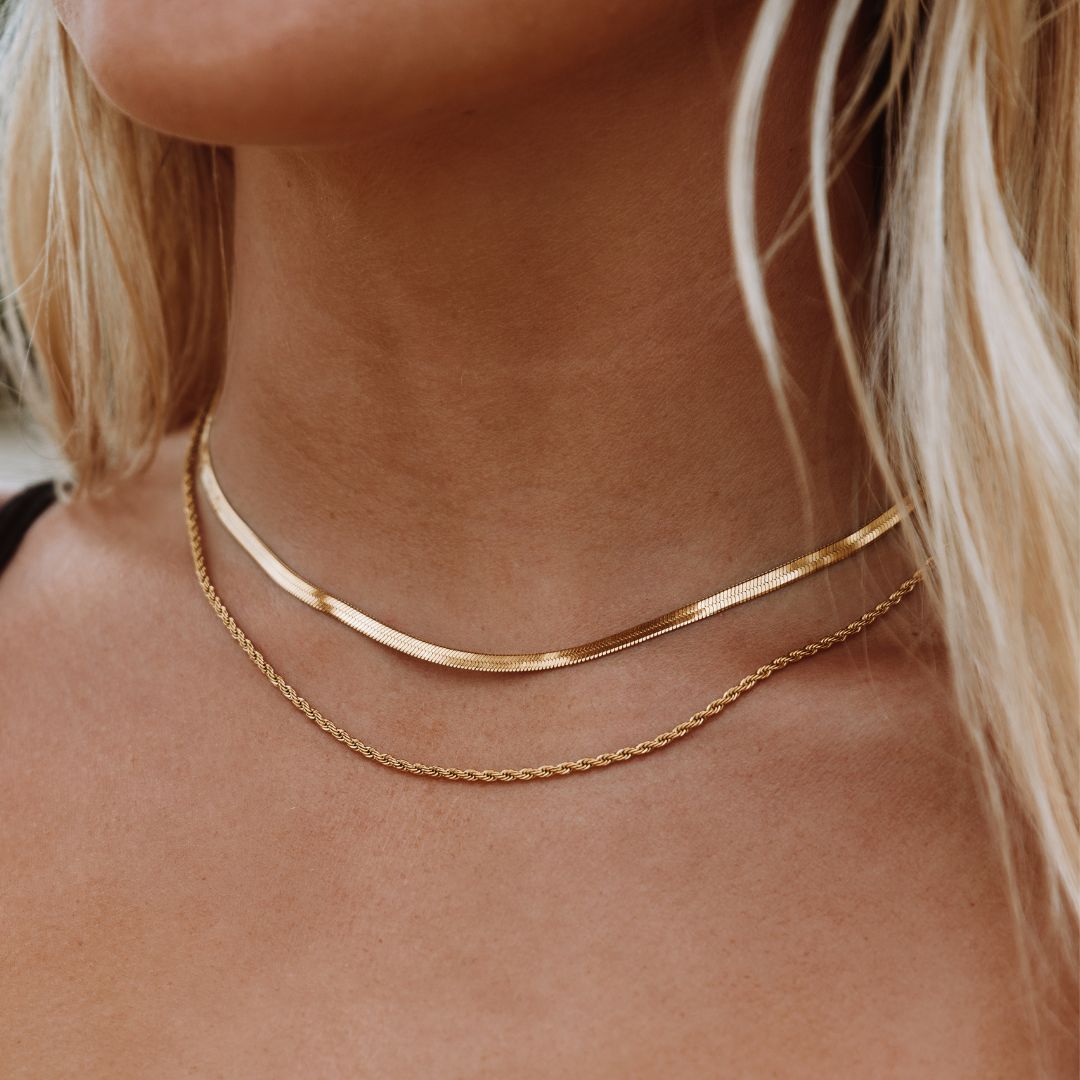
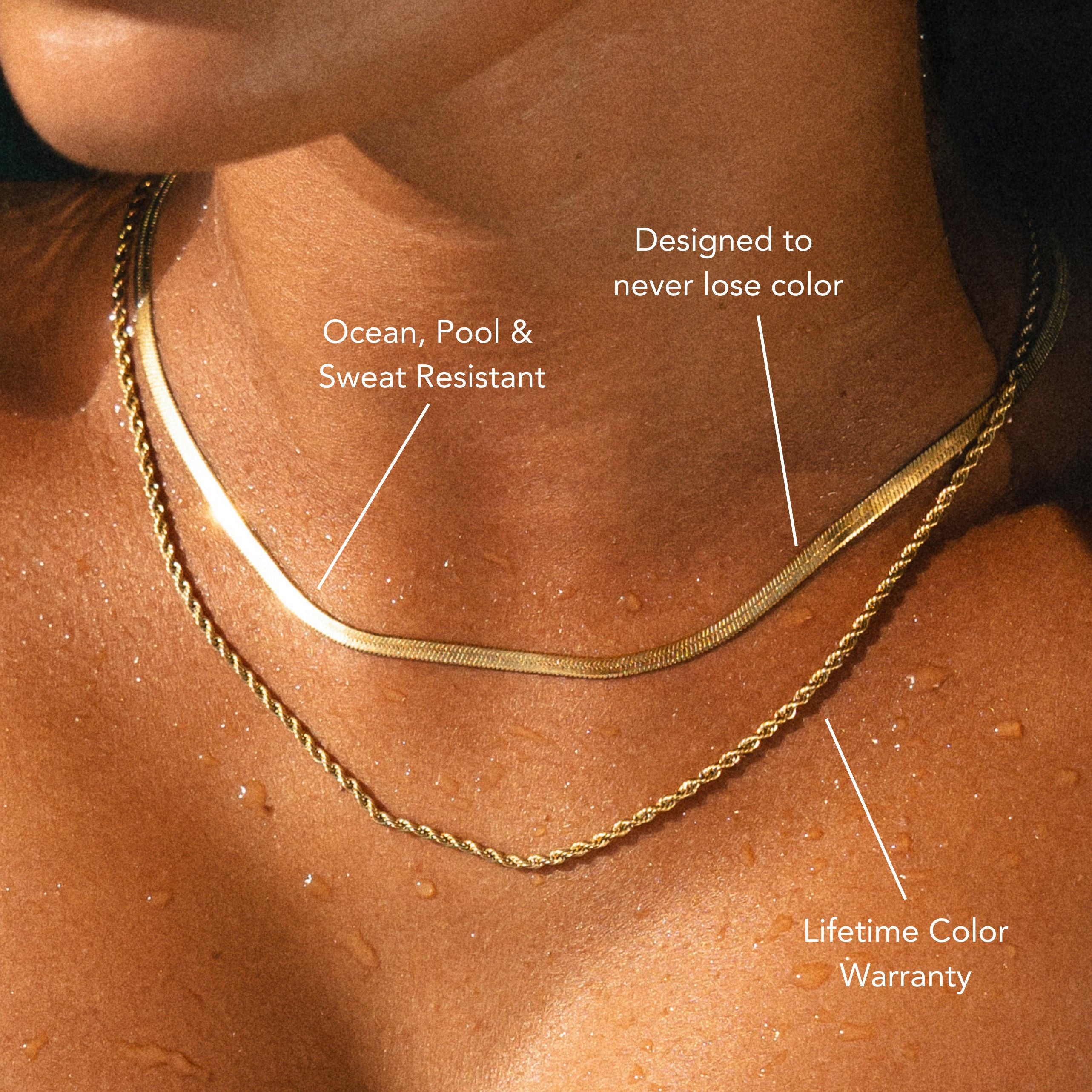
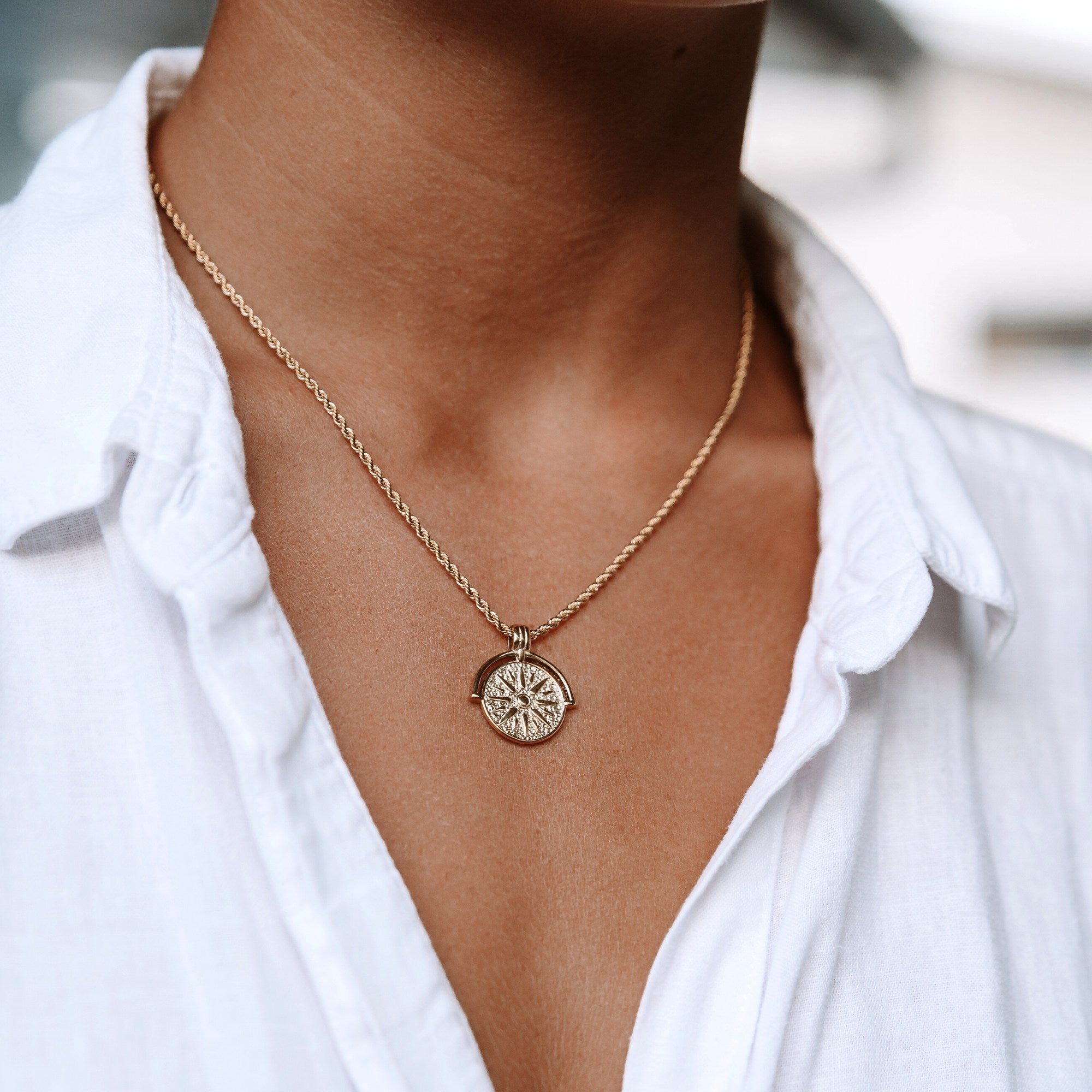
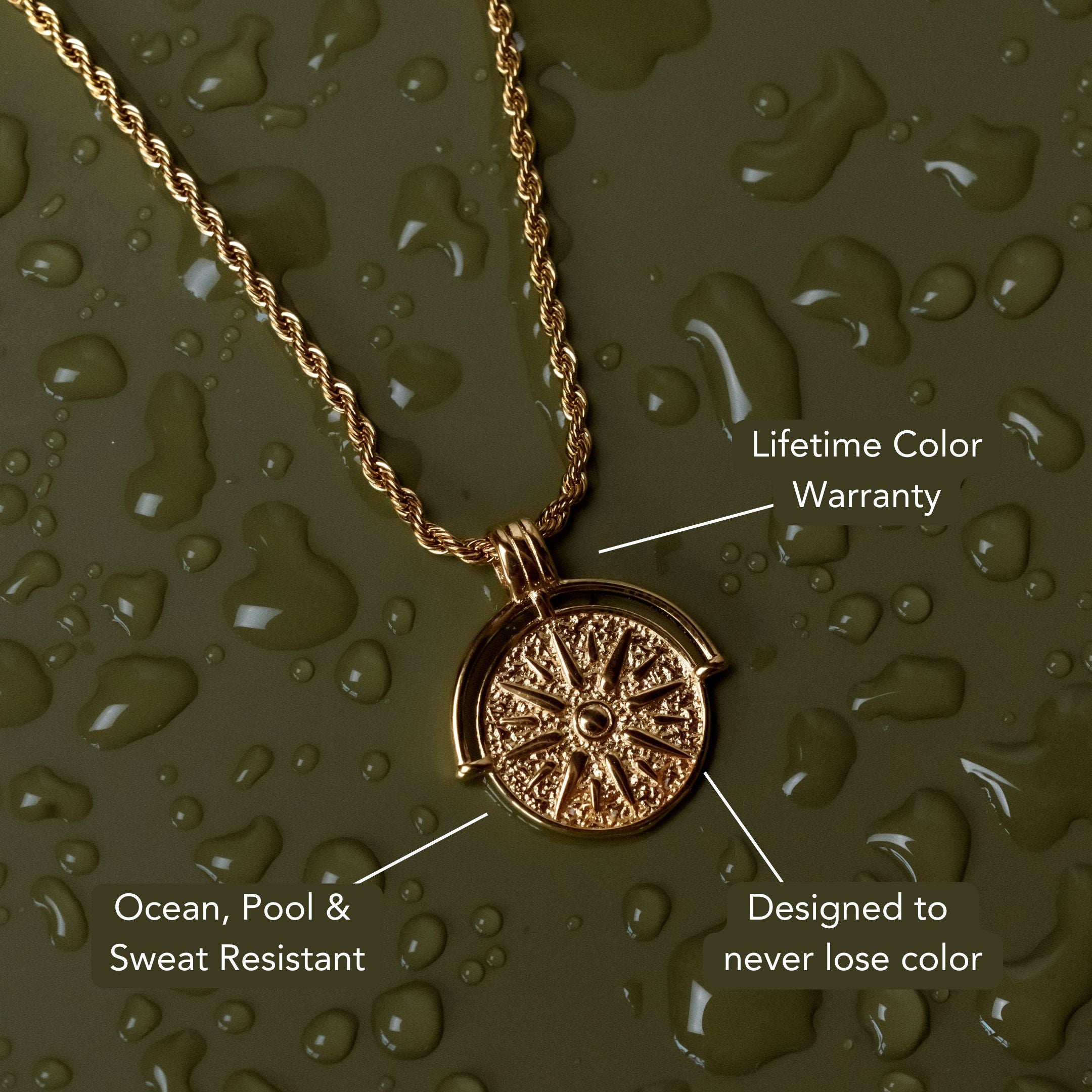
How do you know if something is pure silver? Start by checking fineness marks such as 999, 990, 958, 950, or 925, and verify hallmarks against trusted registries. Examine color and luster—pure silver has a cool, bluish-white tone, and any tarnish should appear as uniform silver sulfide that cleans evenly. Try quick tests: silver is non-magnetic, has a hydrostatic density of about 10.49 g/cm³, and produces a clear ringing sound rather than a dull thud when gently tapped. For precise composition, nitric acid testing or XRF analysis provides confirmation. When consistency and low maintenance matter, modern options like Waterproof Jewelry offer a practical alternative while retaining a silver look. For absolute certainty, a professional assay remains the gold standard—and there’s more to apply next.
Understanding Silver Purity and Common Alloys
Two metrics define silver purity: fineness and assay verification. You quantify fineness as parts per thousand of elemental Ag; 999 indicates 99.9% silver, while 925 denotes sterling.
You confirm composition through assay verification using methods like X-ray fluorescence (XRF), fire assay, or inductively coupled plasma (ICP) analysis. Each method reports concentration with defined uncertainty, letting you compare results against purity standards.
You’ll also encounter silver alloys engineered for hardness, wear resistance, or tarnish mitigation. Sterling silver (Ag-Cu, 925) balances ductility and strength. Coin silver varies by era but typically sits near 900.
Argentium modifies sterling with germanium to reduce oxide formation. Nickel- or zinc-modified alloys adjust color and workability. Evaluate density, conductivity, and microstructure alongside assay data to differentiate pure silver from engineered alloys.

Decoding Hallmarks, Stamps, and Country Marks
Sometimes a tiny set of marks tells you more than any quick test. For hallmark identification, start with fineness stamps: “999,” “990,” “958,” “950,” or “925” indicate silver content in parts per thousand. Confirm font uniformity, depth, and placement to rule out later strikes.
Next, scan for maker’s marks and assay office symbols; these link to registries and verify accountability. Evaluate date letters and pictorial devices, which often encode production year and country origin. For example, a lion passant, Minerva head, or crescent-and-crown each signals specific national systems.
Cross-reference marks using authoritative databases or assay office publications, not generic charts. Beware ambiguous “sterling” text without corroborating symbols. Record all marks, photograph under raking light, and compare against reference metrics before concluding purity or provenance.
Visual Clues: Color, Luster, and Tarnish Patterns
Color and surface behavior offer fast, non-destructive indicators of silver content.
Examine hue under neutral lighting: high-purity silver presents a cool, slightly bluish-white tone, not chrome-bright.
Observe color variations across edges, recesses, and wear points; base-metal cores often reveal warmer or yellowish undertones.
Assess luster effects by rotating the piece: sterling shows a fine, uniform, specular sheen with crisp highlight roll-off, while plated items can display harsher glare or uneven reflectivity.
Evaluate tarnish morphology.
Genuine silver forms silver sulfide, appearing as progressive gray to charcoal patina that develops uniformly, concentrating in crevices.
Iridescent purples and blues may appear in thin-film stages.
Patchy orange or green corrosion suggests brass or copper exposure.
Note polishing response: real silver cleans to a consistent, cool-white finish without mottling or streak retention.

The Magnet Test: What It Can and Can’t Tell You
Curious how a magnet helps? You can screen silver quickly by observing its magnetic reaction. Pure silver is diamagnetic, so it won’t be attracted to a magnet. Use a strong neodymium magnet and note any snap, pull, or cling. If you feel attraction, the item likely contains ferromagnetic metals such as iron or some nickel alloys.
Control variables to avoid false conclusions. Standardize magnet strength, minimize distance, and remove intervening material. A faint, almost imperceptible drag can occur from eddy currents on plated or conductive objects, but pure silver won’t lock onto the magnet.
Also check clasps, springs, or chains; small components may be magnetic even if the main body is not.
Bottom line: the test can confirm fakes, but non-magnetic behavior alone doesn’t prove purity.
Weight and Dimensions: Density Clues for Silver
Although no single test is definitive, mass and size give strong clues through density. Start by recording dimensions with calipers and mass with a calibrated scale. Compute volume: for regular shapes, use geometric formulas; for irregular objects, apply water displacement.
Perform a density measurement by dividing mass by volume. Pure silver’s density is approximately 10.49 g/cm³ at room temperature.
Next, conduct a weight comparison against known silver items of similar dimensions. If your specimen is noticeably lighter or heavier than expected, suspect plating or a different alloy.
Control variables: remove contaminant residues, account for cavities, and note temperature, which slightly affects volume. Document uncertainty and repeat measurements.
When results cluster near silver’s density within reasonable error bounds, you’ve got strong evidence supporting high silver content.
The Sound Test: Ringing Tone vs. Dull Thud
Why rely on your ears? You can assess sound quality as a quick proxy for composition.
Suspend the item by a thread to isolate it from damping surfaces. Tap it lightly with a non-marring rod (wood or plastic). Pure silver exhibits sustained metal resonance: a bright, clear ring lasting 1–3 seconds with slow amplitude decay and minimal overtones.
Heavily alloyed or plated pieces produce a short, dull thud with rapid decay and complex, muddy overtones.
Control variables to avoid false readings: remove soft cases, hold by the edge only, and test in a quiet room. Compare against a verified silver reference of similar size.
Record with a smartphone spectrum app; authentic silver shows a dominant, stable peak and gradual decay, whereas base metals display broader, irregular spectra and faster fade.
Chemical Checks: Nitric Acid and Silver Testing Kits
When visual and acoustic cues aren’t conclusive, deploy chemical assays to verify silver content with controlled, small-scale tests. Use nitric acid sparingly on an inconspicuous area or a filed spot through any plating.
Pure silver reacts to nitric acid by forming a creamy white silver nitrate interface; sterling may show a faint green tinge from copper alloys. Avoid prolonged exposure to limit surface etching.
Commercial silver testing kits standardize this workflow. They include graded acids, abrasives, and comparison plates. You’ll lightly abrade, deposit a microdrop, and observe color development within seconds.
Match the reaction to the kit’s reference scale to estimate fineness. Rinse with distilled water, neutralize residues with sodium bicarbonate, and document results.
For hallmark-critical items, corroborate findings with XRF before valuing.
At-Home Methods vs. Myths: What to Skip
Having covered controlled chemical assays, set aside folk tests that waste time or damage items.
Don’t bite, scratch, or file; mechanical abrasion alters mass and devalues surfaces.
Skip the ice-cube “speed melt” claim; thermal conductivity varies with thickness and substrate contact.
Avoid magnet tricks for “weak pull”; silver is diamagnetic, but clasps, springs, or plated ferromagnetic cores confound results.
Ignore bleach or vinegar soaks; chloride and acetic corrosion induce irreversible tarnish and pitting.
Use disciplined at home techniques only: inspect precise hallmarks with magnification, verify density by water displacement, and compare electrical continuity with a calibrated multimeter.
Treat sulfur-pen marks as qualitative, not definitive.
Keep common misconceptions in mind: ring tones, smell tests, and color-in-sunlight shifts lack specificity and produce false positives.
When to Seek Professional Appraisal and Authentication
Although rigorous at‑home tests screen most pieces, you should escalate to a professional when the item’s value, provenance, or structure exceeds what DIY methods can resolve.
Use professional appraiser services if the piece is hallmarked ambiguously, carries maker’s marks linked to notable workshops, or shows complex construction (plating, solder seams, inlays) that confound acid or magnet tests. A lab can perform XRF spectrometry, density verification with hydrostatic weighing, and microstructural analysis to quantify fineness and detect base‑metal substrates.
Seek authentication methods when documentation is incomplete, serial numbers are inconsistent, or patina appears artificially induced.
For heirlooms, rare patterns, or auction preparation, request a written valuation, chain‑of‑custody, and high‑resolution imaging. You’ll obtain defensible purity data, marketable provenance, and risk mitigation for sale, insurance, or estate planning.
Frequently Asked Questions
How Do Modern Coatings or Platings Affect Silver Test Results?
Modern coatings or platings can mask silver, skewing acid, magnet, and XRF results. You must account for plating types and coating thickness; abrasive tests may breach layers, while micro-drilling, cross-sectioning, or calibrated XRF quantify substrate composition accurately.
Can Ultrasound or XRF Devices Confirm Silver Purity Non-Destructively?
Yes—both can assess purity non-destructively. You use ultrasound for material continuity and density proxies; ultrasound accuracy drops on thin, irregular items. XRF provides elemental composition quickly; XRF limitations include surface-only analysis, plating interference, and matrix/geometry effects without proper calibration.
Does Antique Restoration Alter Hallmark Legibility or Authenticity?
Yes. You’ll often see reduced hallmark legibility if abrasive restoration techniques are used; polishing rounds edges and thins impressions. Choose hallmark preservation methods: masking stamps, micro-abrasion control, localized cleaning, and documentation to maintain authenticity and metrological traceability.
How Do Regional Assay Offices Differ in Standards and Tolerances?
Regional assay offices differ by permitted tolerances, assay methods, and purity standards. You’ll see varying millesimal limits, sampling protocols, destructive vs. XRF screening preferences, and rounding rules. Some accept 999±1‰; others require tighter uncertainty budgets and duplicate-verification workflows.
What Insurance Documentation Is Needed for High-Value Silver Items?
You need formal insurance appraisals, recent item valuations, detailed photographs, purchase invoices, assay or hallmark reports, serial or inventory numbers, secure storage evidence, and a scheduled personal property rider. You’ll update valuations periodically and document provenance and condition changes.
Conclusion
You’ve got a systematic toolkit to verify silver. Start with hallmarks and country marks, then confirm with visual inspection: uniform luster, gray tarnish, and clean edges. Use non-invasive tests first—magnet (shouldn’t attract), dimensions versus weight for density, and a clear, sustained ring. For higher certainty, apply nitric acid or a calibrated silver test kit, following safety protocols. Skip myths like ice or bleach tests. When value or provenance matters, consult a qualified appraiser for formal authentication.






Leave a comment
This site is protected by hCaptcha and the hCaptcha Privacy Policy and Terms of Service apply.