

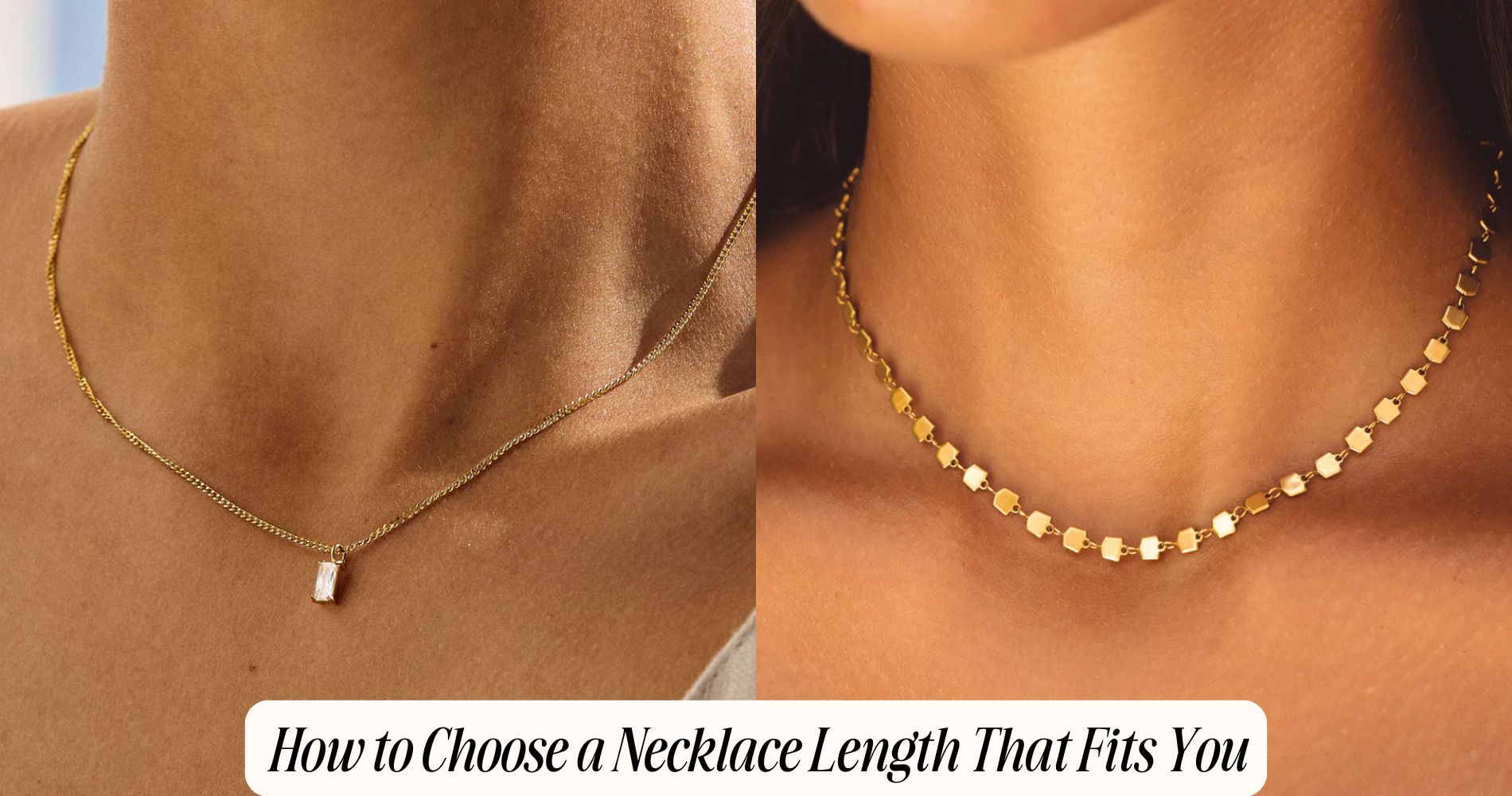
How to Choose a Necklace Length That Fits You
How to choose a necklace length? Start by measuring your neck with a soft tape—add about 2 inches for a comfortable choker or 4 inches for a standard short chain. Match length to your face shape and frame: 16–18 inches softens heart and square faces, 20–24 inches elongates round faces, and 14–16 inches helps lift longer faces. Coordinate with necklines—V-necks pair well with pointed pendants, crewnecks suit mid-length chains, and turtlenecks shine with longer styles. When layering relaxed, versatile pieces like Beach Necklaces, consider weight, metal choice, and extenders for all-day comfort. Proper care matters too: store tangle-free and polish regularly. Want foolproof picks and styling formulas next?
Standard Necklace Lengths and Where They Fall
Most necklaces follow a few standard lengths, and knowing where each one lands helps you choose fast.
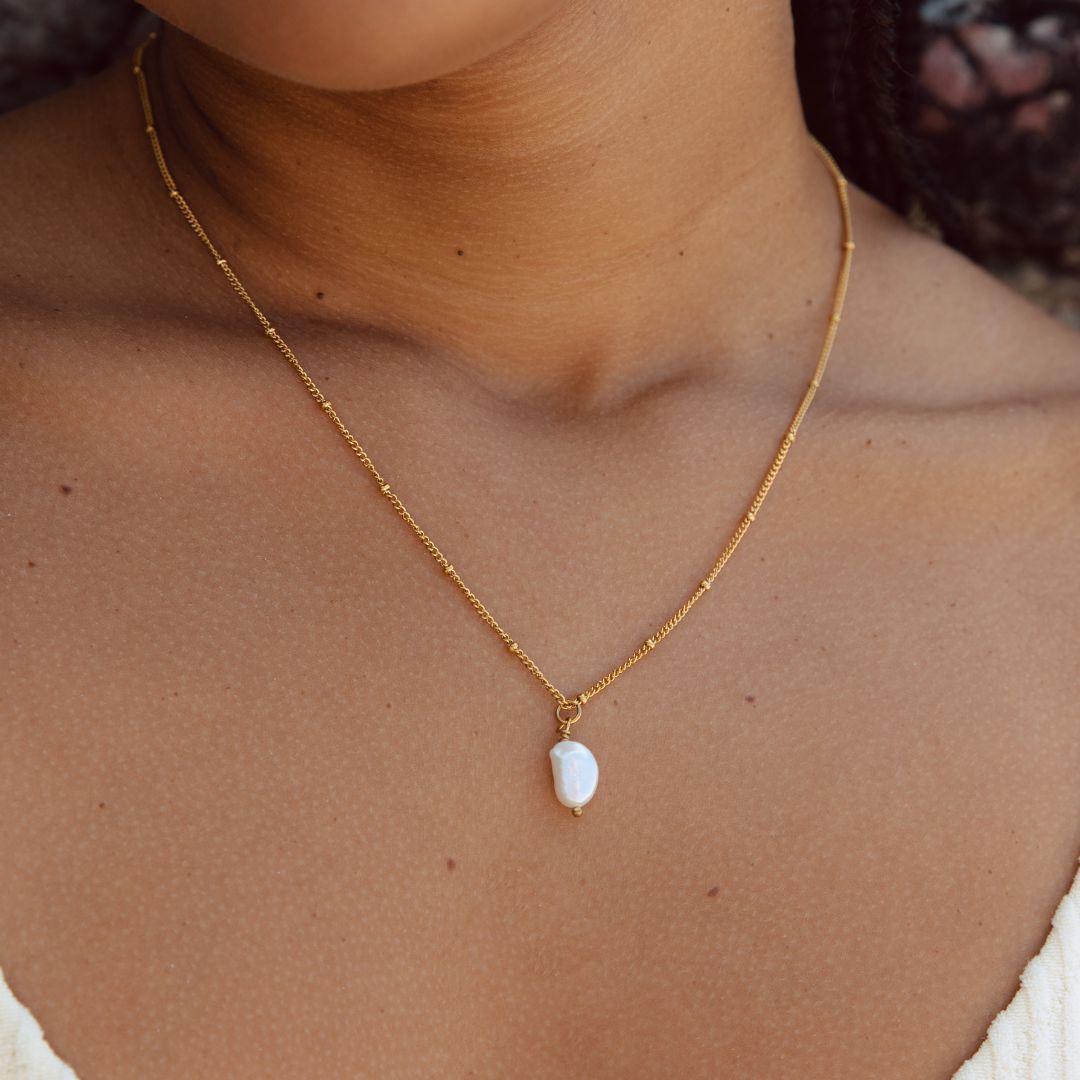
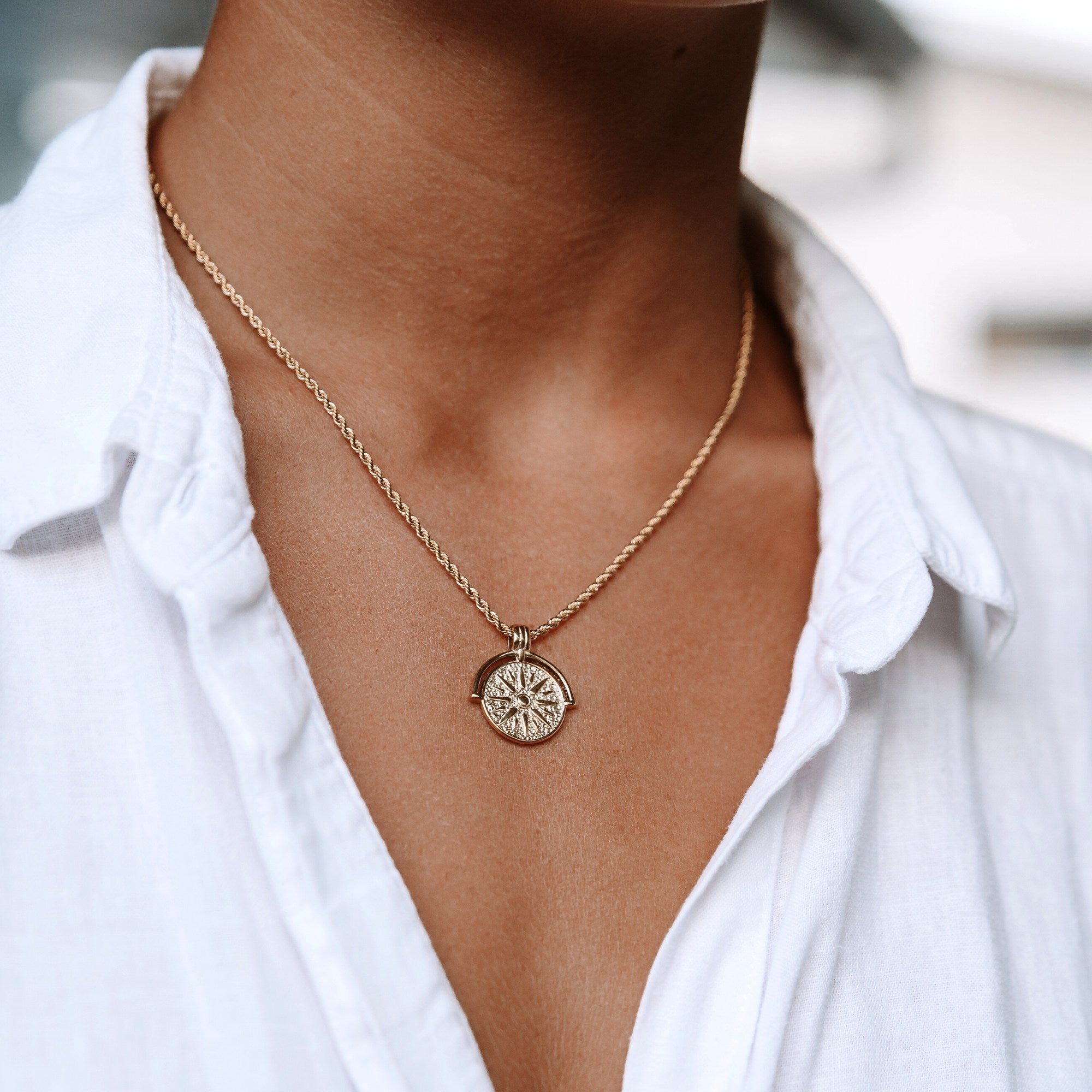
A 14–16" choker skims the base of your neck and highlights collars and crewnecks. An 18" princess length hits at the collarbone—reliably flattering and easy to layer. A 20" drops just below the collarbone, great for button-downs.
At 22–24", your pendant rests mid-chest, balancing deeper necklines. Matinee at 24–26" elongates the torso and plays well over knits. Opera at 28–36" reads sleek and modern, worn long or doubled. Rope, 36"+, gives runway drama.
Use these standard sizes as a guide, then edit for personal preferences: neckline depth, pendant scale, layering mix, and the visual weight you want.
Choose lengths that echo your outfit’s lines.

Measuring Your Neck Size Accurately
Before you pick a length, get your exact neck measurement so your necklace sits where you intend. Use neck measurement techniques that are simple and repeatable: wrap a soft measuring tape where a collar would rest, keeping it level and snug—not tight. Note the number, then add 2 inches for a comfortable choker, 4 inches for a standard short necklace.
No tape? Use ribbon or twine, mark the overlap, then measure against a ruler.
For accurate sizing methods, measure at the time of day you typically wear jewelry—salt, heat, and stress can cause slight swelling. Stand straight, relax your shoulders, and avoid bulky clothing.
Take two readings and average them. Record the result in inches and centimeters to compare brand size charts precisely.
Matching Lengths to Face Shape
With your neck size locked in, focus on how necklace length frames your face. Start by identifying your face shape—oval, round, heart, square, or long—then use length recommendations to balance facial features.
Round faces benefit from longer necklace styles (20–24 inches) that create vertical lines. Heart-shaped faces look great with 16–18-inch pieces that soften a pointed chin. Square faces pair well with 18–20-inch curves or pendants that round strong angles. If your face is long, opt for shorter lengths (14–16 inches) to lift and widen.
Oval faces are versatile; nearly all lengths work, so match your necklace styles to your neckline and vibe. Prioritize adjustable chains so you can fine-tune proportions and place pendants where they best flatter your features.

Choosing Lengths for Your Height and Body Frame
How do you want your necklace to read on your frame—elongating, balancing, or bold? Start with proportion.
If you’re under 5'4" or have petite frames, aim for 14–16-inch collars or 16–18-inch princess lengths that sit higher on the chest. They create clean vertical space without overwhelming you. Avoid extra-long ropes unless you add a single, uninterrupted drop.
For medium builds and average heights, 18–20 inches is the versatile zone. It lands near the collarbone or just below, keeping lines sleek while allowing layered add-ons when you want presence.
For tall individuals or broader frames, lean into length. Try 20–24 inches to distribute scale and keep the silhouette intentional. Statement links or pendants work here—choose weight with finesse so the piece reads deliberate, not heavy.
Coordinating With Necklines and Collars
Although your height sets the baseline, the neckline does the final edit—so match shape to shape. V-necks love pendants that mirror the point and land an inch above the dip.
Scoop and sweetheart neckline types pair best with round collars or short chains that trace the curve. Crew neck? Choose a mid-length pendant that clears the ribcage, or a torque that sits cleanly on fabric. Square necklines favor geometric drops that echo the angles.
With collar styles, let structure guide length. Button-downs look polished with a pendant that slips between open placket points; fully buttoned calls for a collar-kissing choker.
Turtlenecks want long, sleek lines that break up the knit. Boat necks balance with asymmetric pendants. Strapless tops shine with collarbones—think short, delicate pieces that sit centered.
Layering Chains Without Tangles
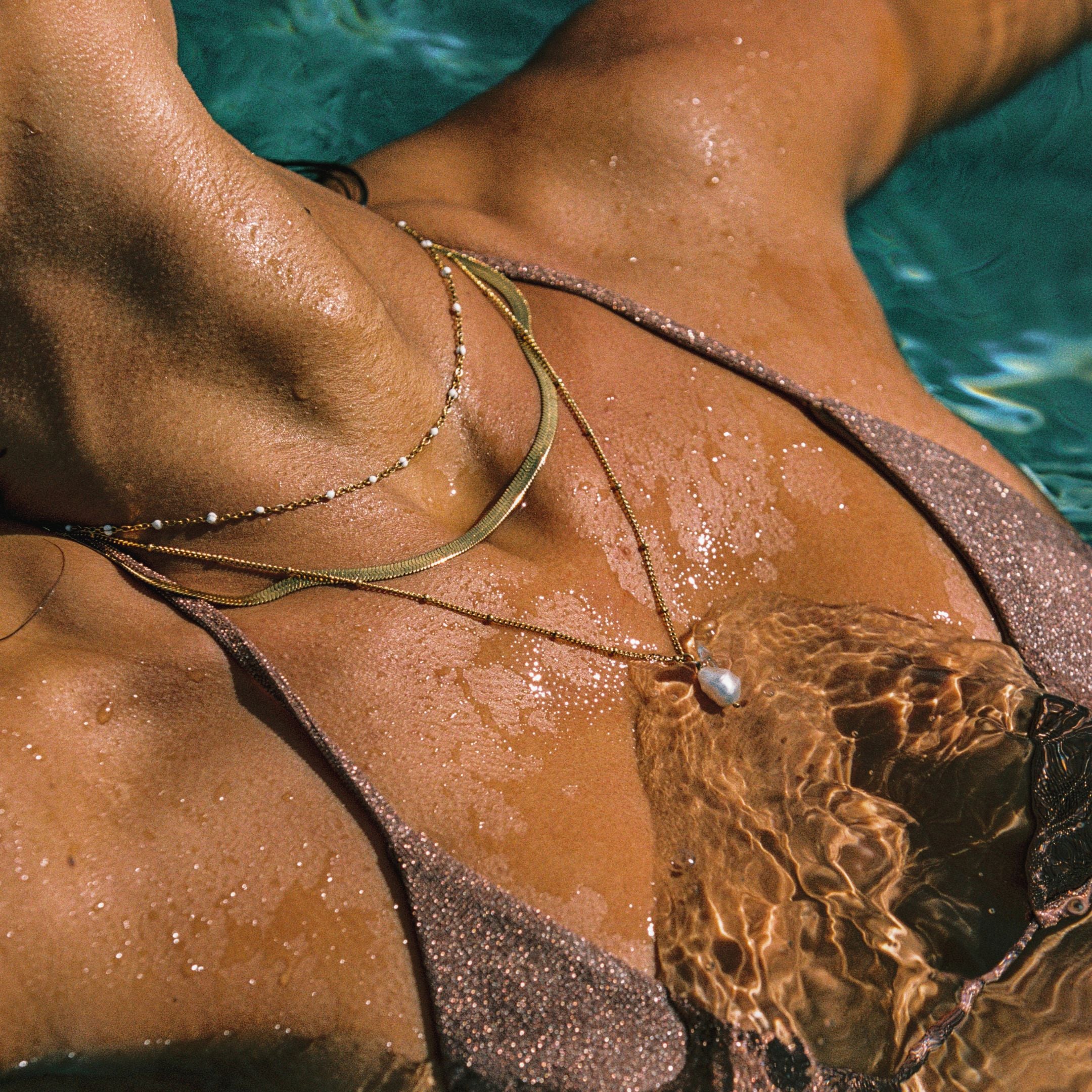
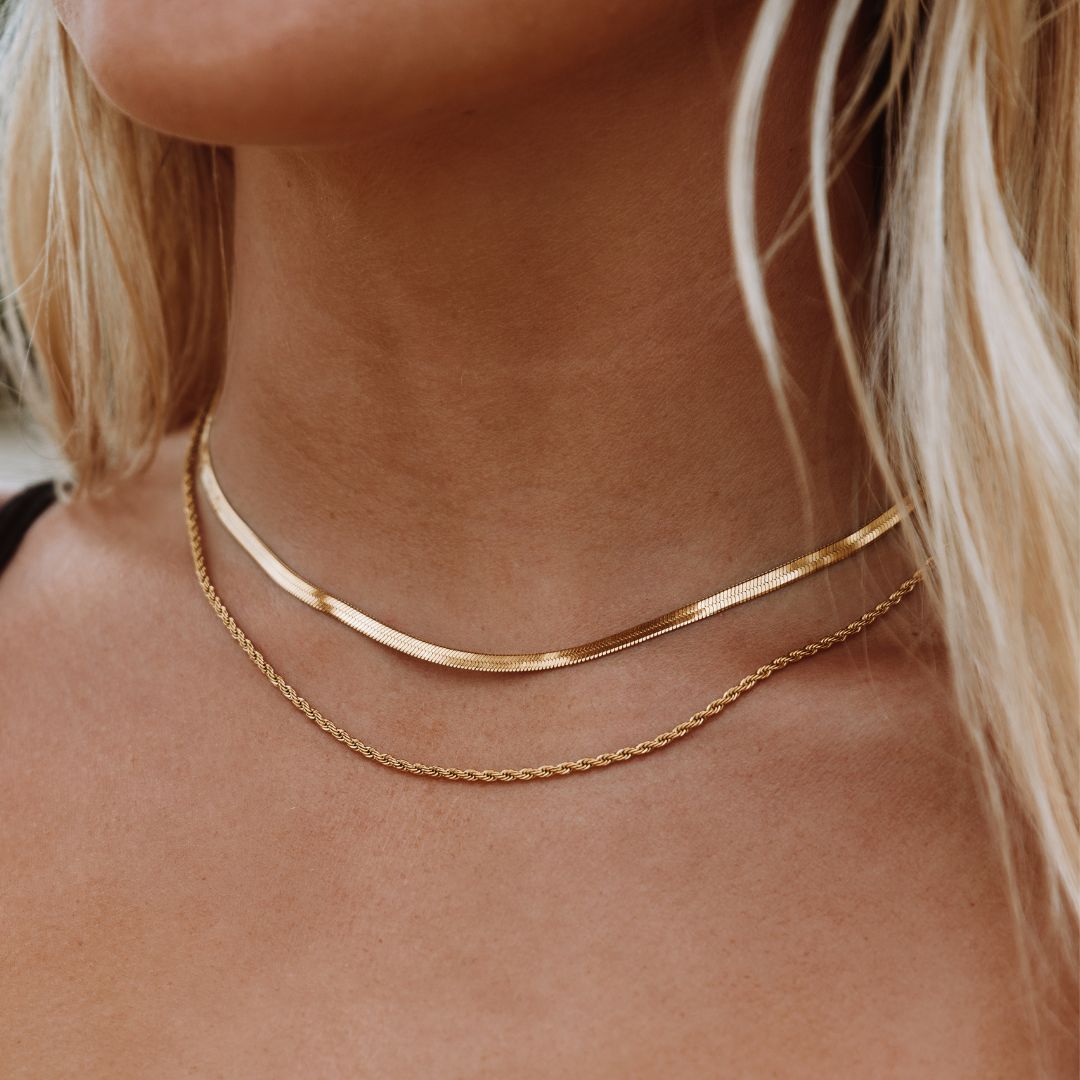
Necklines set the stage, but layered chains steal the show when you stack them smart. Start with three tiers: close collarbone, mid-chest, and just below.
Vary thickness—sleek herringbone, delicate cable, sturdy paperclip—for visual balance and tangle prevention. Mix finishes subtly if you like, but keep one metal dominant so the eye reads clean lines.
Use a layered clasp or connector to separate chains at the nape; it spaces them and stops twisting. Add two-inch extenders to fine-tune drop and avoid chains kissing.
Match weights—pair whisper-light with medium, not heavy—to reduce spin. Close clasps at the back, not front, so pendants don’t drift.
After wearing, wipe, clasp, and hang individually. Consistent spacing and mixed textures deliver effortless layered looks without knots.
Picking the Right Length for Pendants and Charms
Where should a pendant land so it flatters and doesn’t flip? Aim for the hollow of your throat for mini charms (14–16 inches) and mid-sternum for statement options (18–22 inches). Use your neckline as a guide: higher necklines can handle longer drops; open necklines spotlight shorter chains.
Match length to pendant styles and charm sizes. Tiny talismans sit closer so they don’t disappear; medium medallions work best at collarbone level; bold lockets and coins need a bit of air—drop them lower to avoid crowding.
Consider your torso length: a longer torso can take extra inches without feeling heavy; petites should keep pendants above the bust line. Test movement—bend, talk, and walk. If it spins or bumps fabric, adjust the length.

Metals, Chain Styles, and Weight Considerations
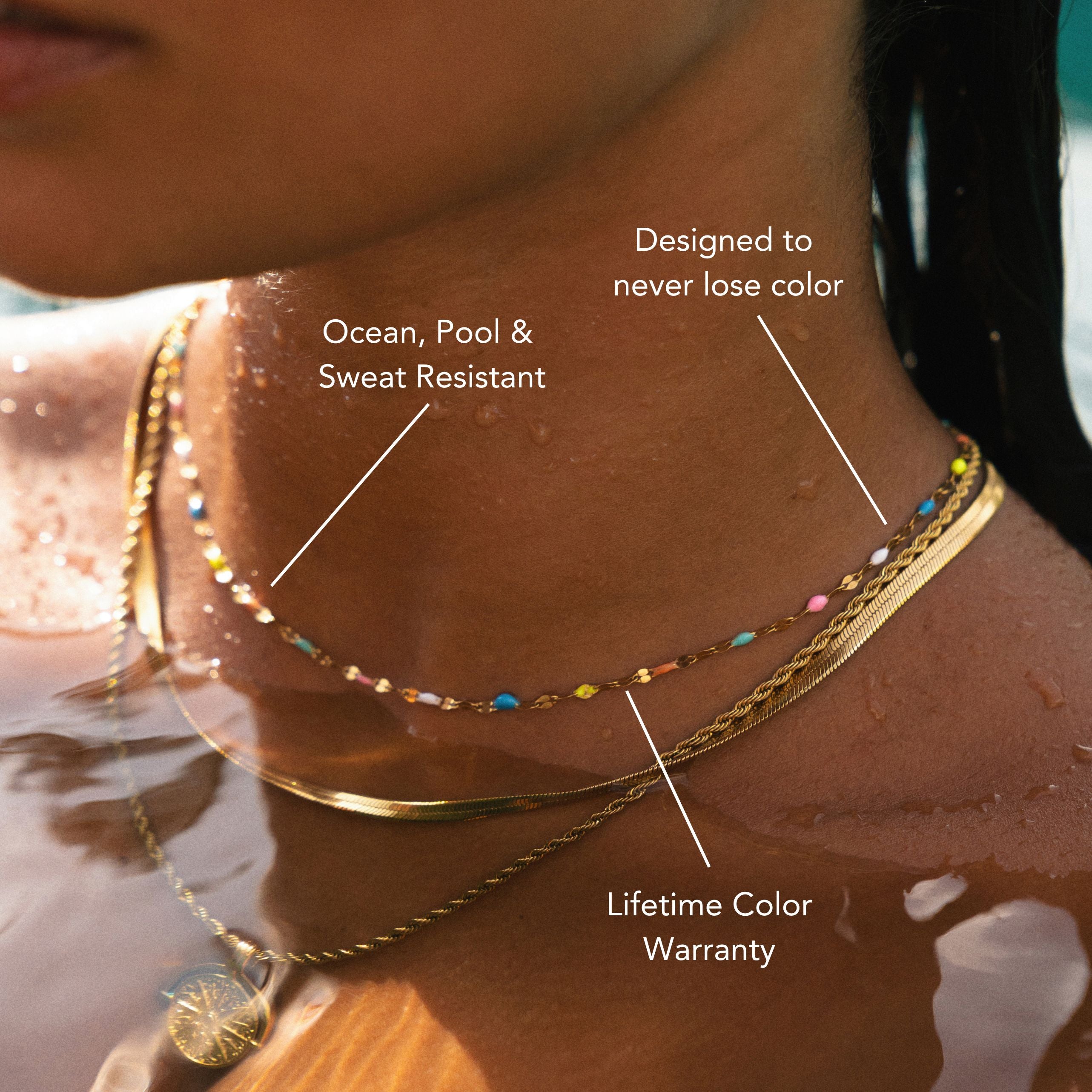
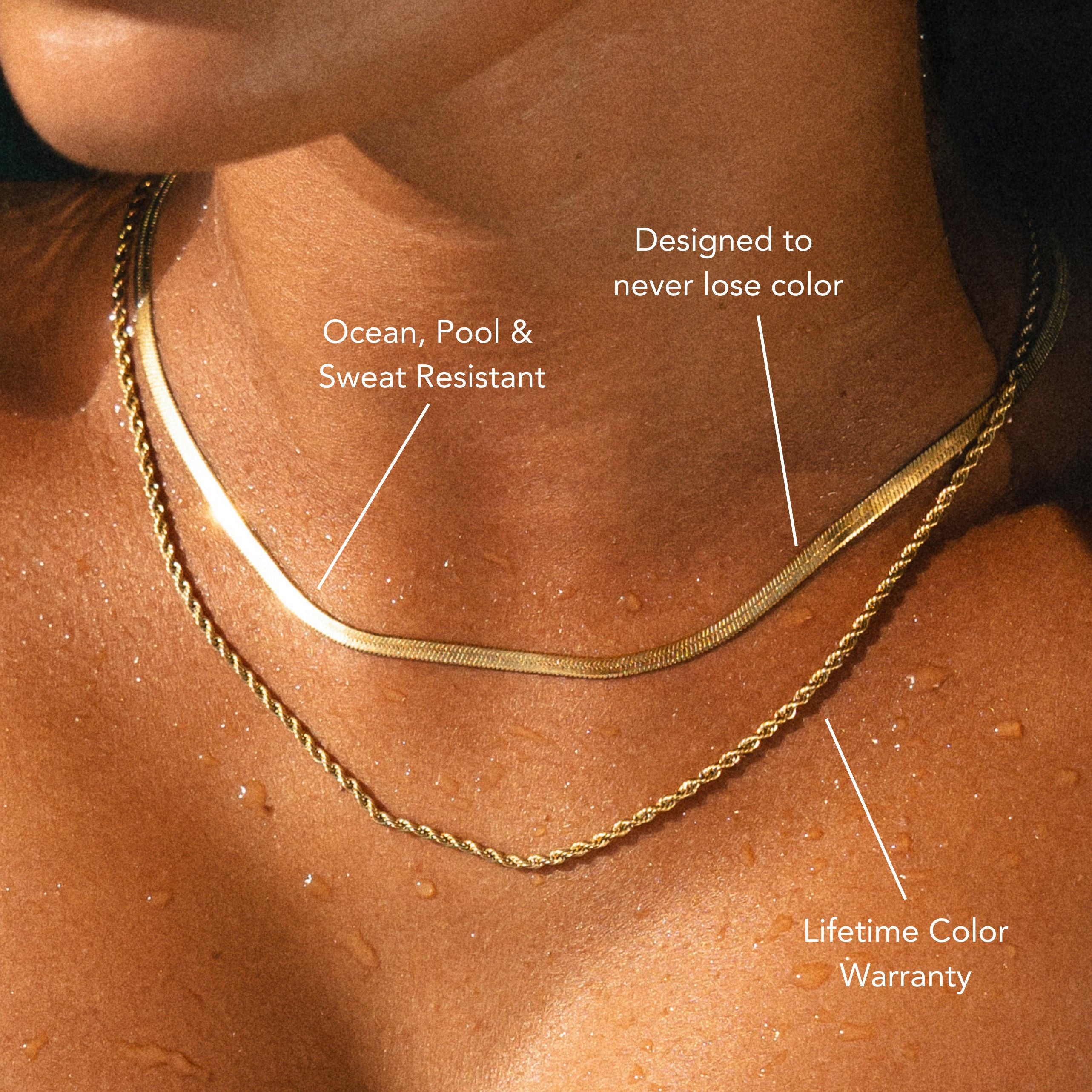
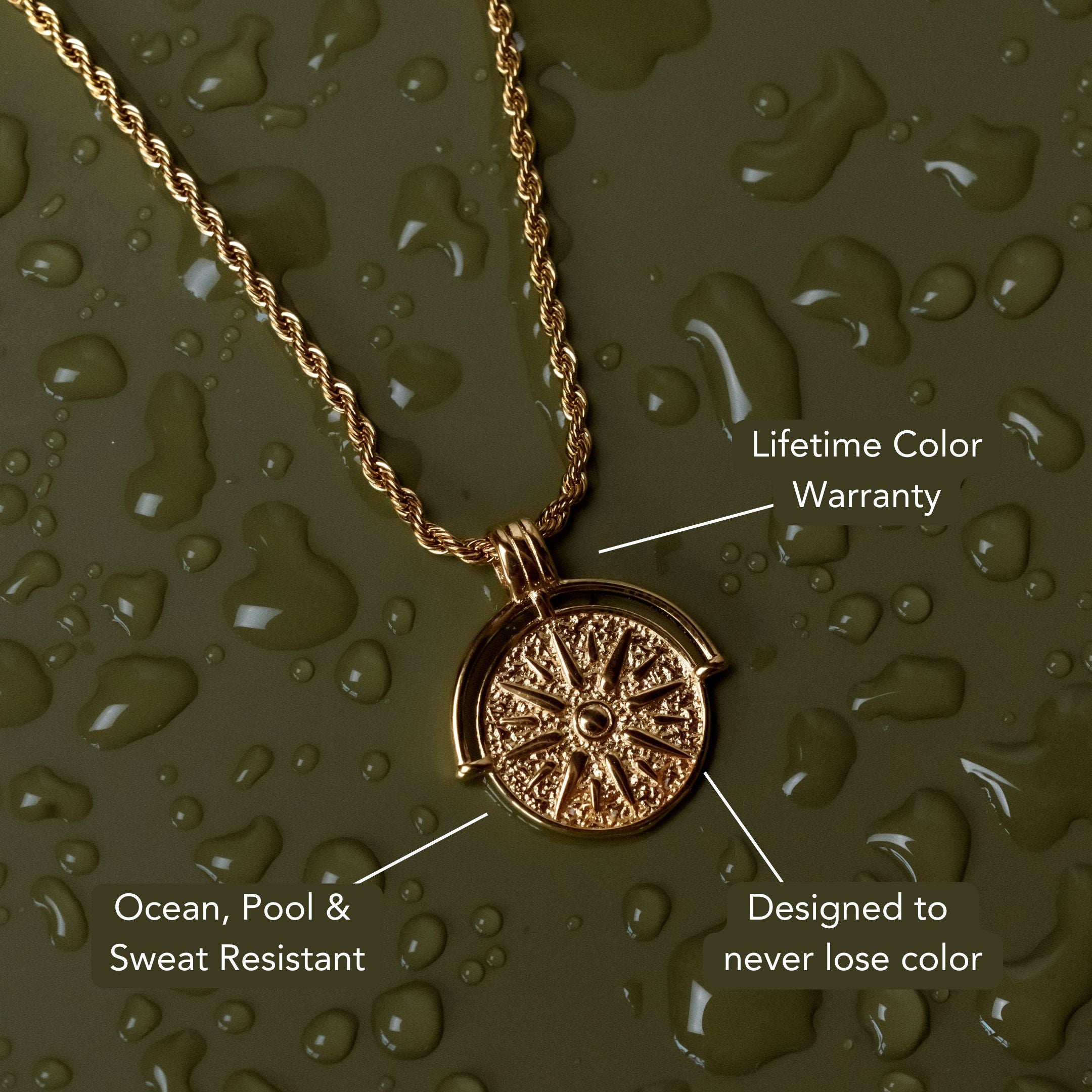
Metal matters. When you pick a necklace length, think about metal properties first. Solid gold resists tarnish and suits everyday wear; sterling silver offers brightness at a friendlier price; stainless steel brings strong chain durability with a modern edge. If you sweat or swim, choose alloys that handle exposure without clouding.
Match chain style to weight and drop. A fine cable or box chain flatters short lengths and light pendants. For mid to long lengths, opt for curb, rope, or wheat—these distribute weight and keep lines clean. Heavier links prevent stretching and kinks, especially past 18 inches.
Balance proportion: the longer the chain, the more support it needs. If you love a bold pendant, upgrade thickness one step. Light charms? Keep it slim and sleek.
Comfort, Clasp Types, and Extenders
You’ve matched metal and weight—now make sure the necklace feels good from morning to midnight.
Start by testing comfort levels: move, sit, and turn your head. If it pokes your collarbone or pulls at your neck, size up or switch chains.
Choose smart clasp options. Lobster clasps are secure and sleek; spring rings are lighter but trickier; magnetic clasps are effortless, especially for layered looks.
Front-toggle clasps double as design and make solo fastening easy.
Build in flexibility with extender types. A 2–3 inch chain extender lets you shift from crewneck to V-neck without swapping pieces.
Look for adjustable features like slider beads or multi-link stations to fine-tune length.
Prioritize smooth edges and balanced pendants so the necklace stays centered and disappears on skin.
Care Tips to Maintain Length and Shape
Even the right length warps without care, so build small habits that protect shape and drape. Wipe your chain after each wear to remove sweat, SPF, and perfume.
Use gentle cleaning techniques: a mild soap bath for gold, polishing cloth for silver, and a damp cloth only for pearls or silk thread. Never tug knots; use a pin and patience. Dry pieces fully before you store them.
Prioritize storage solutions that prevent kinks and stretch. Hang chains individually or coil them in anti-tangle pouches; keep heavy pendants off delicate links.
Use anti-tarnish tabs and a low-humidity drawer. Fasten clasps before storing to hold the proper length. Rotate favorites to reduce stress points, and get periodic restrings for beads or pearls to preserve the original silhouette.
Frequently Asked Questions
How Do Necklace Lengths Differ Across Cultural or Ceremonial Traditions?
They differ widely: you’ll see short chokers in punk subcultures, chest-grazing malas in Hindu rites, waist-length Maasai beading, and layered Catholic rosaries. You interpret cultural significance and ceremonial styles, then curate lengths that respect tradition yet feel current.
What Lengths Are Appropriate for Professional or Corporate Dress Codes?
Choose 16–18-inch collars or princess chains for business attire; they sit polished above blouses. For formal occasions, opt for 18–20-inch pendants, subtle sparkle, slim profiles. Avoid chunky statements; keep metals cohesive, necklines clean, and proportions streamlined.
How Do Allergies Affect Choosing Necklace Length and Wear Time?
Allergies impact length and wear time: you’ll prefer shorter chains to reduce contact and snagging. Choose hypoallergenic allergy materials for skin sensitivity, limit hours, rotate pieces, and cleanse skin and metal. Test patches, avoid plated finishes, and watch for irritation.
Which Necklace Lengths Are Most Travel-Friendly and Packable?
Opt for 16–18-inch chains; they layer or stand alone and won’t tangle. Choose travel friendly options like snake or box chains in packable materials—sterling, gold-fill, titanium. Pack pendants separately, use straws or cards, and stash a tiny detangler.
How Do Seasonal Clothing Changes Influence Optimal Necklace Length?
Seasonal clothing shifts your ideal length: with bulky seasonal fabrics, choose longer pendants to clear collars; in summer, shorter chains spotlight skin. Use layering techniques—mix chokers with mid-lengths in fall, extend lariats over knits, streamline delicate pieces in heat.
Conclusion
You’ve got the lengths, the measurements, and the styling cheats—now it’s about trying, editing, and owning your look. Start with your neck size, match lengths to your face, frame, and necklines, then layer smart with pendants and chain textures. Keep comfort in play with the right clasp and an extender. When in doubt, test in a mirror and snap a photo. Care for your chains, rotate styles, and you’ll always land on a necklace that feels like you.





Leave a comment
This site is protected by hCaptcha and the hCaptcha Privacy Policy and Terms of Service apply.