

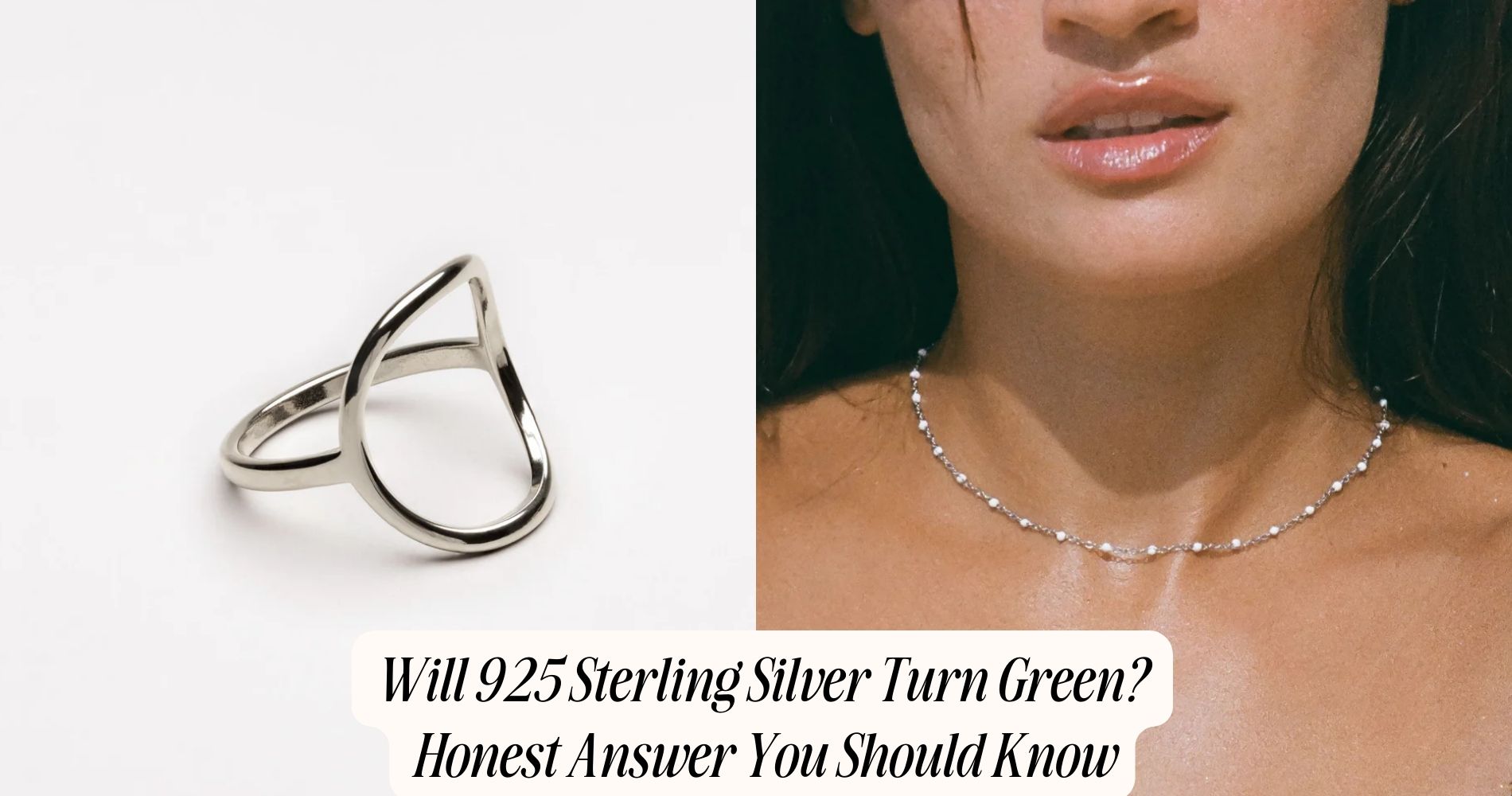
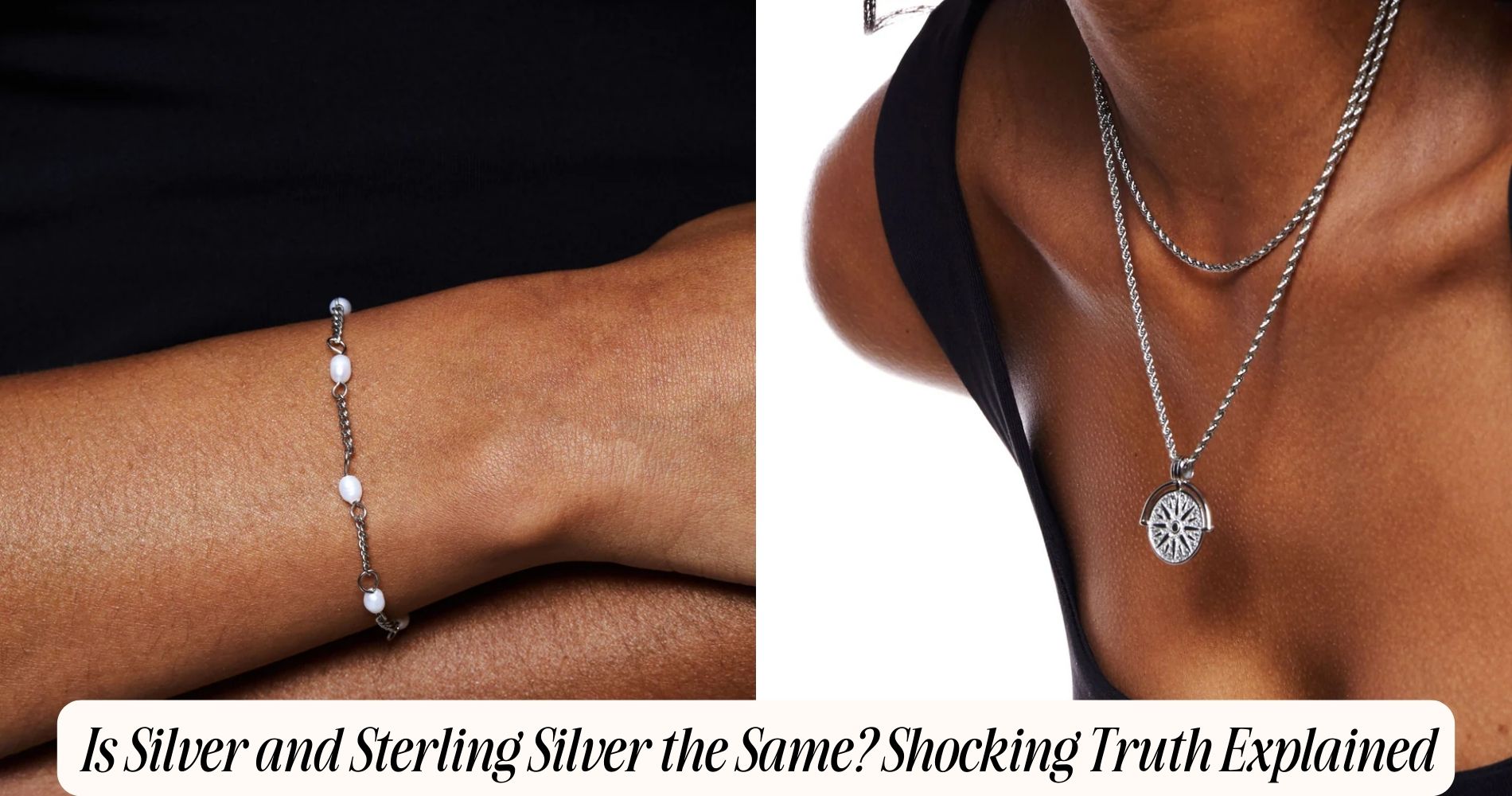
Will 925 Sterling Silver Turn Green? Honest Answer You Should Know
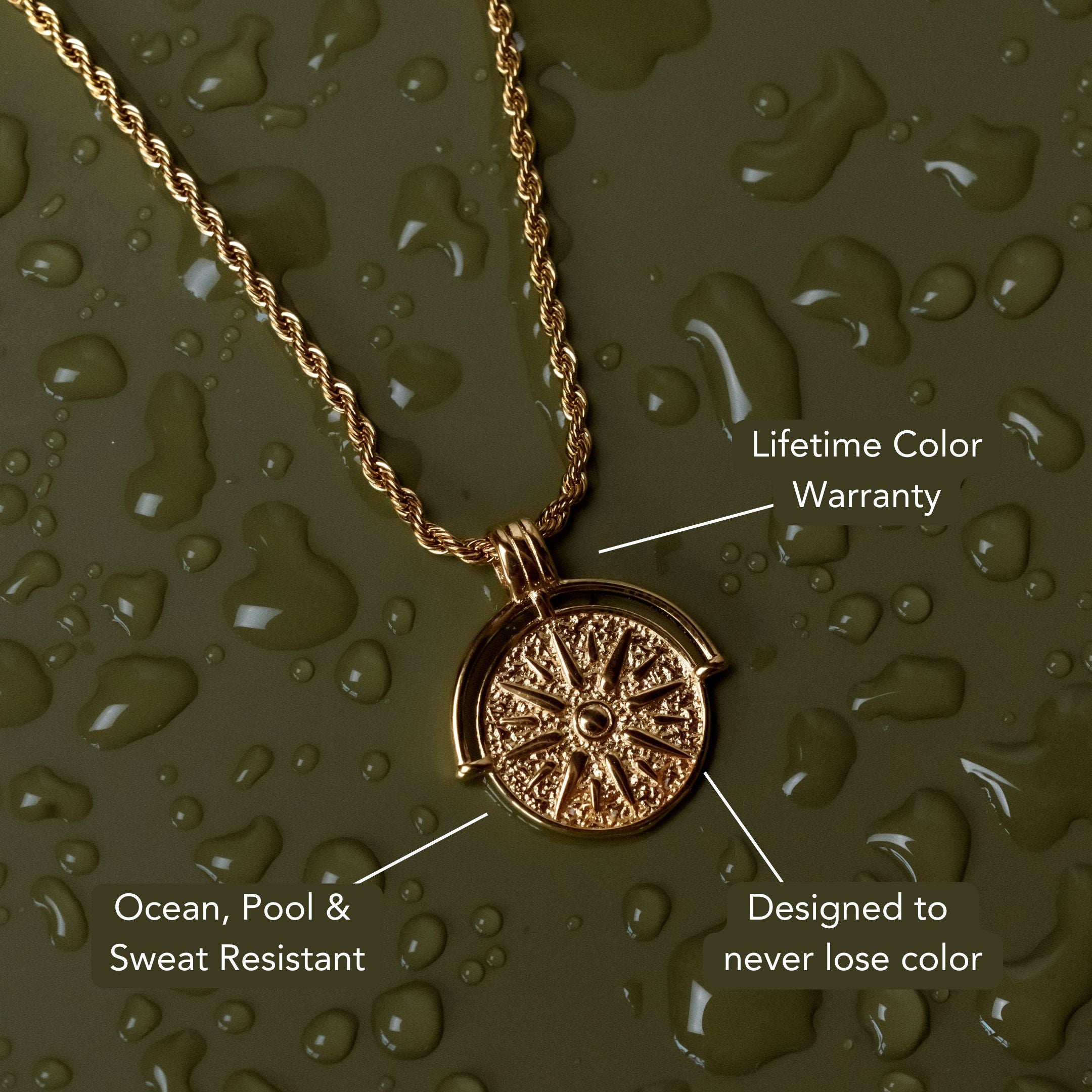
Will 925 sterling silver turn green? Yes, 925 sterling silver can sometimes leave a green tint on your skin, but it’s not because it’s fake. “925” means 92.5% pure silver and 7.5% copper, and that copper can react with sweat, skin pH, lotions, and humidity to form copper salts that transfer as green marks. Choosing durable pieces like those from Atolea’s Silver Waterproof Jewelry collection can also help minimize everyday exposure to moisture. It’s usually harmless, cosmetic, and preventable with proper care, coatings, and wear habits—there’s more you can do to control or avoid it entirely.
What “925” Sterling Silver Really Means
At its core, “925” is a hallmark that tells you the alloy is 92.5% pure silver and 7.5% other metals—most commonly copper—engineered to improve strength, wear resistance, and workability.
You’re not dealing with a coating or plating; you’re handling a solid, standardized alloy composition recognized worldwide as sterling silver.
When you inspect a piece marked “925,” you can infer its silver purity meets accepted international jewelry standards.
Pure silver at 99.9% is too soft for daily-wear pieces, so metallurgists introduce copper to increase hardness, tensile strength, and durability while preserving silver’s optical properties and luster.
You should view “925” as a performance-optimized material specification, ensuring consistent behavior, predictable fabrication, and reliable long-term structural integrity in fine jewelry.

Can 925 Sterling Silver Make Your Skin Green?
Curiously enough, yes—925 sterling silver can make your skin look green, but it’s not the silver itself that’s to blame.
Sterling is an alloy, and that 7.5% non‑silver portion can interact with your skin’s surface chemistry and leave a faint greenish film. This doesn’t mean the metal is fake or unsafe; it’s a cosmetic effect, similar to temporary staining.
Whether you see green marks depends heavily on your individual skin sensitivity, pH balance, and even the products you use, like lotions or perfumes.
With consistent jewelry care—keeping pieces dry, cleaning them with appropriate solutions, and limiting prolonged exposure to moisture—you can usually minimize or completely prevent visible discoloration while still wearing genuine 925 sterling silver daily.
Why 925 Silver Turns Some People’s Skin Green
When 925 silver leaves a green tint on your skin, you’re seeing a surface reaction between the alloy’s copper content and your body’s chemistry.
Sterling silver is 92.5% silver and 7.5% other metals, usually copper. When copper contacts moisture, oxygen, salts, or acids in your sweat, it forms copper chloride or copper carbonate—green corrosion compounds that transfer onto your skin.
You’re more likely to notice this if you have higher skin sensitivity, acidic sweat (low pH), or use products like lotions, perfumes, or sanitizers that accelerate metal ion release.
This isn’t the same as true allergic reactions, which usually involve nickel or other allergens and cause redness, itching, or rash instead of a simple green discoloration.
How to Stop 925 Silver From Turning Skin Green
Although 925 silver’s copper content can react with your skin, you can largely prevent green staining by controlling that surface chemistry and creating barriers between metal, moisture, and salts.
Start with basic prevention tips: remove rings before washing hands, exercising, or applying lotions and perfumes; these introduce chlorides, acids, and sweat that accelerate copper corrosion.
Use targeted care techniques. Clean pieces regularly with a non‑abrasive silver polishing cloth to strip copper salts before they transfer to skin.
Store jewelry in low‑humidity, airtight containers with anti‑tarnish strips. Create a physical barrier by applying a clear jewelry sealant, microcrystalline wax, or even a thin layer of clear nail polish on inner contact surfaces, then reapply as it wears to maintain protection.

When Green Marks From 925 Silver Are a Real Problem
Preventive care and barrier coatings handle most green staining, but you need to treat it as a real problem once the reaction points to more than simple copper salts on your skin.
If the marks itch, burn, blister, or persist after you remove the piece and cleanse the area, you’re likely dealing with a contact dermatitis response, not ordinary oxidation effects.
You should also worry when the discoloration is dark, irregular, and accompanied by pitting or flaking metal.
That suggests an unstable alloy, excessive base‑metal content, or contaminated plating.
In that case, stop wearing the item, document the reaction, and consult both a dermatologist and a reputable jeweler.
Proper jewelry care won’t fix a fundamentally substandard or improperly alloyed 925 piece.

Frequently Asked Questions
Is All Green Discoloration From Silver Jewelry a Sign of Fake Metal?
No, green discoloration isn’t always a fake metal indicator; it often results from copper alloys in genuine sterling reacting with skin chemistry. You should assess hallmarks, density, and magnetism, then apply proper tarnish prevention to reduce color transfer.
How Does 925 Sterling Silver Compare to Pure Silver for Everyday Wear?
You’ll find 925 sterling outperforms pure silver for daily wear durability; the alloyed copper increases hardness, scratch‑resistance, and form stability, while pure silver advantages mainly involve higher intrinsic value, slightly better tarnish resistance, and superior electrical/thermal conductivity.
Does the Climate or Humidity Where I Live Affect 925 Silver Tarnishing?
Yes, your climate and humidity levels greatly affect 925 silver tarnishing; higher moisture, heat, and airborne sulfur accelerate silver sulfide formation, while coastal, industrial, or sweaty environments increase corrosion rates, demanding more frequent cleaning and airtight, desiccant-assisted storage.
Are There 925 Silver Alloys Specifically Designed for Sensitive Skin?
Yes, you’ll find 925 silver alloys tailored for sensitive skin—nickel‑free, palladium‑strengthened, and Argentium‑type hypoallergenic options. These reduce copper exposure, minimize skin reactions, and maintain hardness, durability, and solderability for daily‑wear jewelry applications.
How Can I Tell if My Jewelry Is Truly Stamped and Certified 925 Silver?
You confirm true 925 by inspecting crisp “925” or “STERLING” jewelry stamping methods, checking matching hallmarks and maker’s marks, then using silver authenticity tests: nitric acid, magnet response, specific gravity, and XRF analysis from a professional.
Conclusion
You now know 925 sterling silver is a copper‑alloyed precious metal, not cheap “fake” jewelry. It can leave green marks when copper ions react with sweat, skincare acids, or humidity—but that doesn’t mean it’s low quality or unsafe. If you clean it regularly, dry it after wear, avoid harsh chemicals, and use barrier products or rhodium plating, you’ll dramatically reduce discoloration and keep your sterling pieces performing—and looking—like true, high‑integrity metal.






Leave a comment
This site is protected by hCaptcha and the hCaptcha Privacy Policy and Terms of Service apply.