

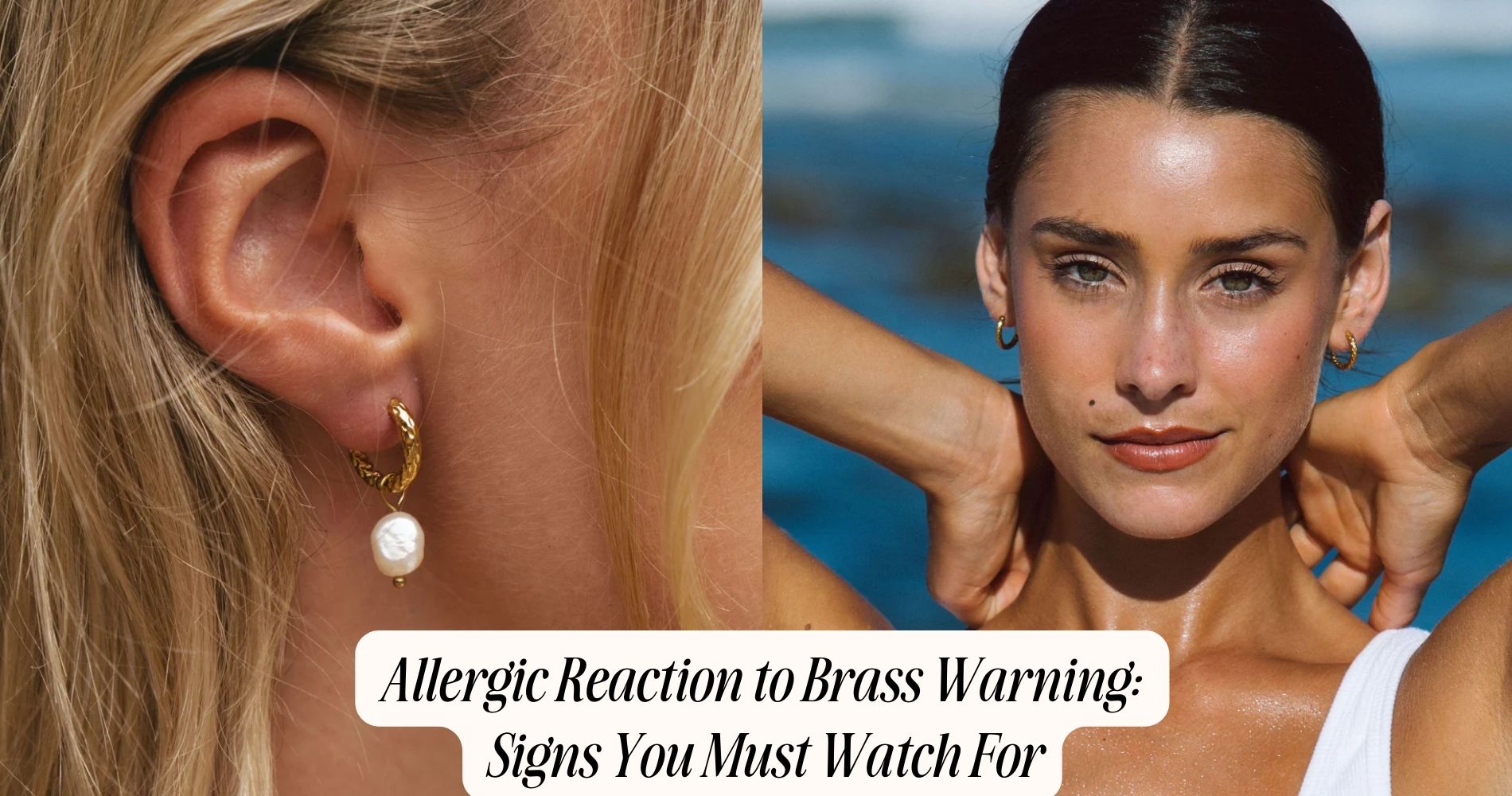
Allergic Reaction to Brass Warning: Signs You Must Watch For
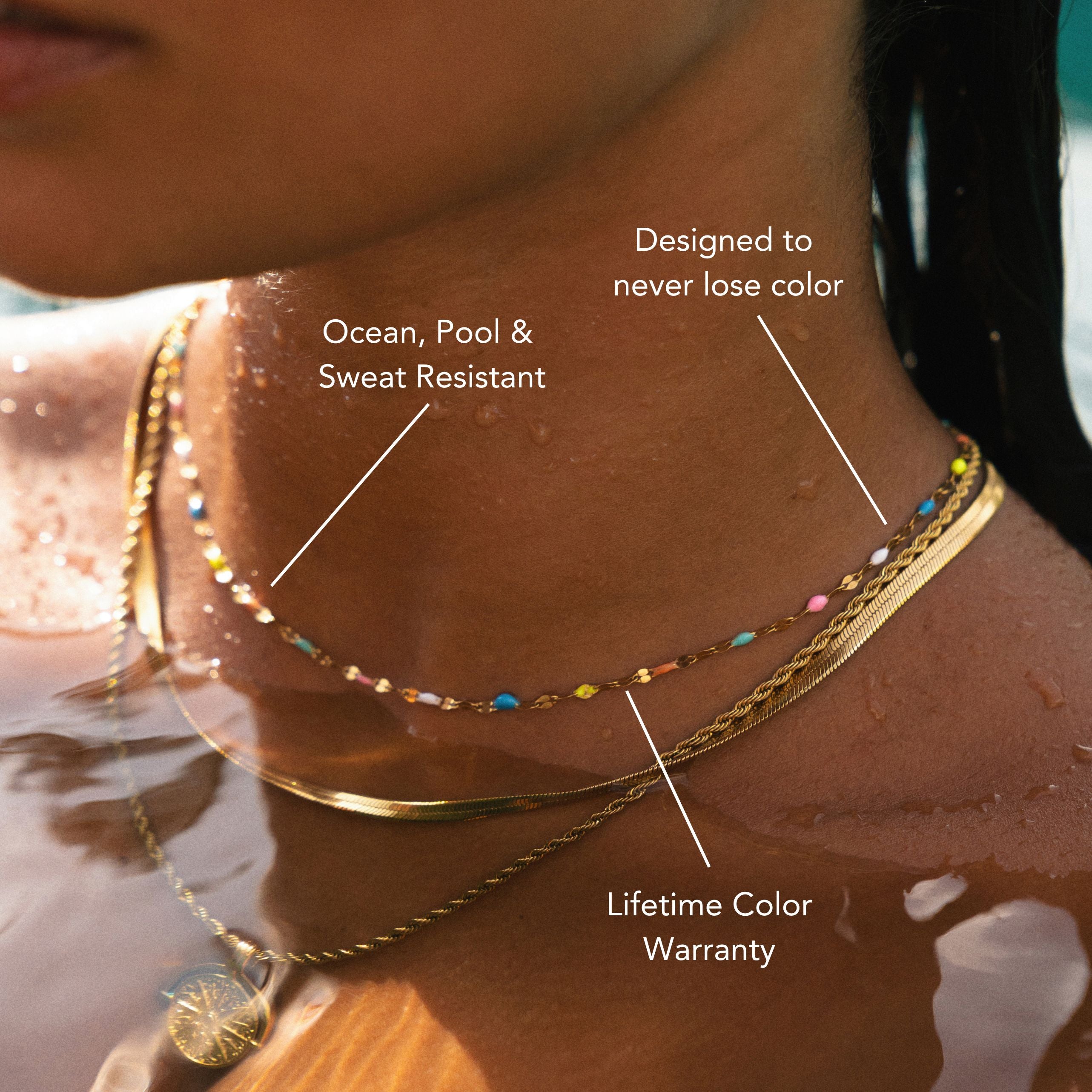
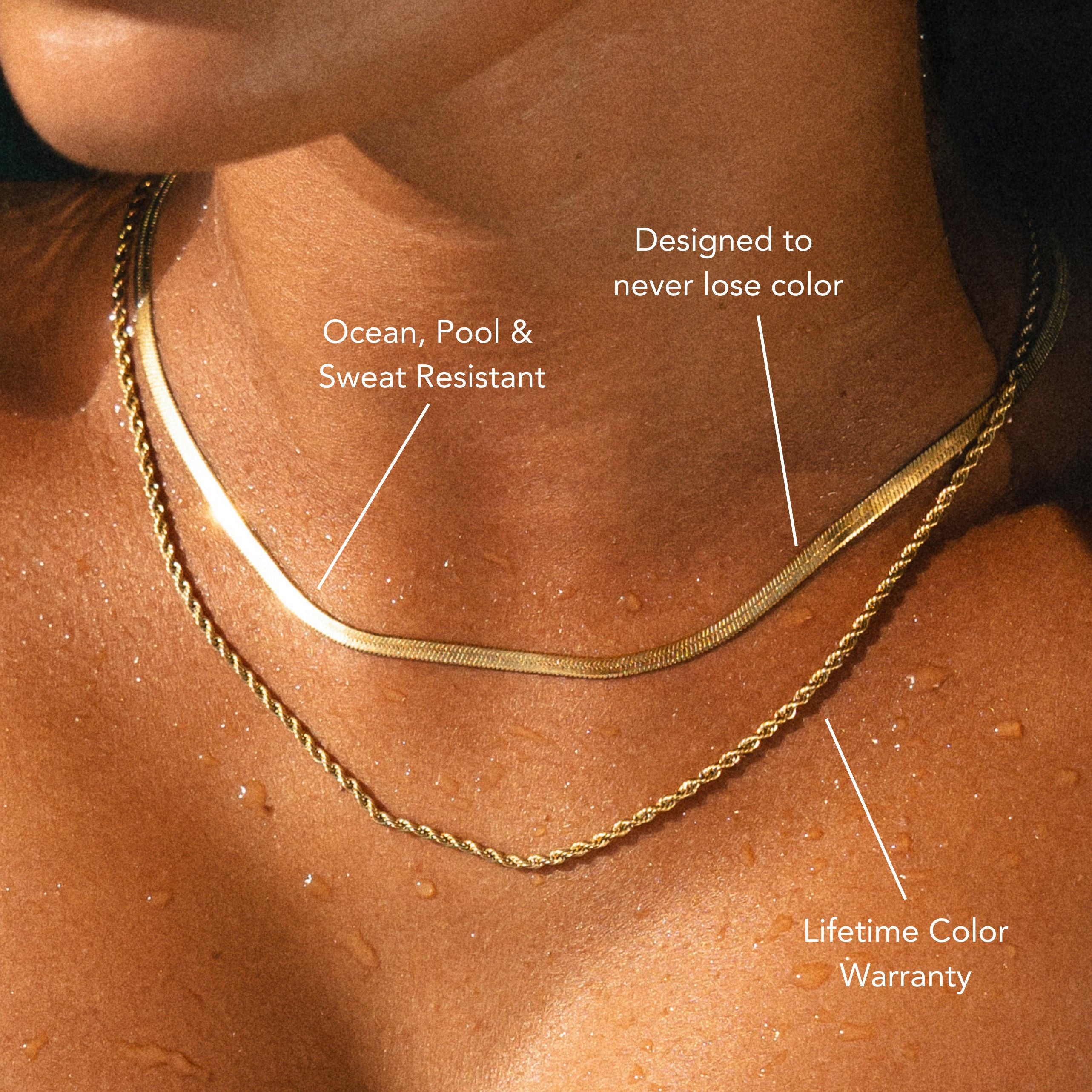
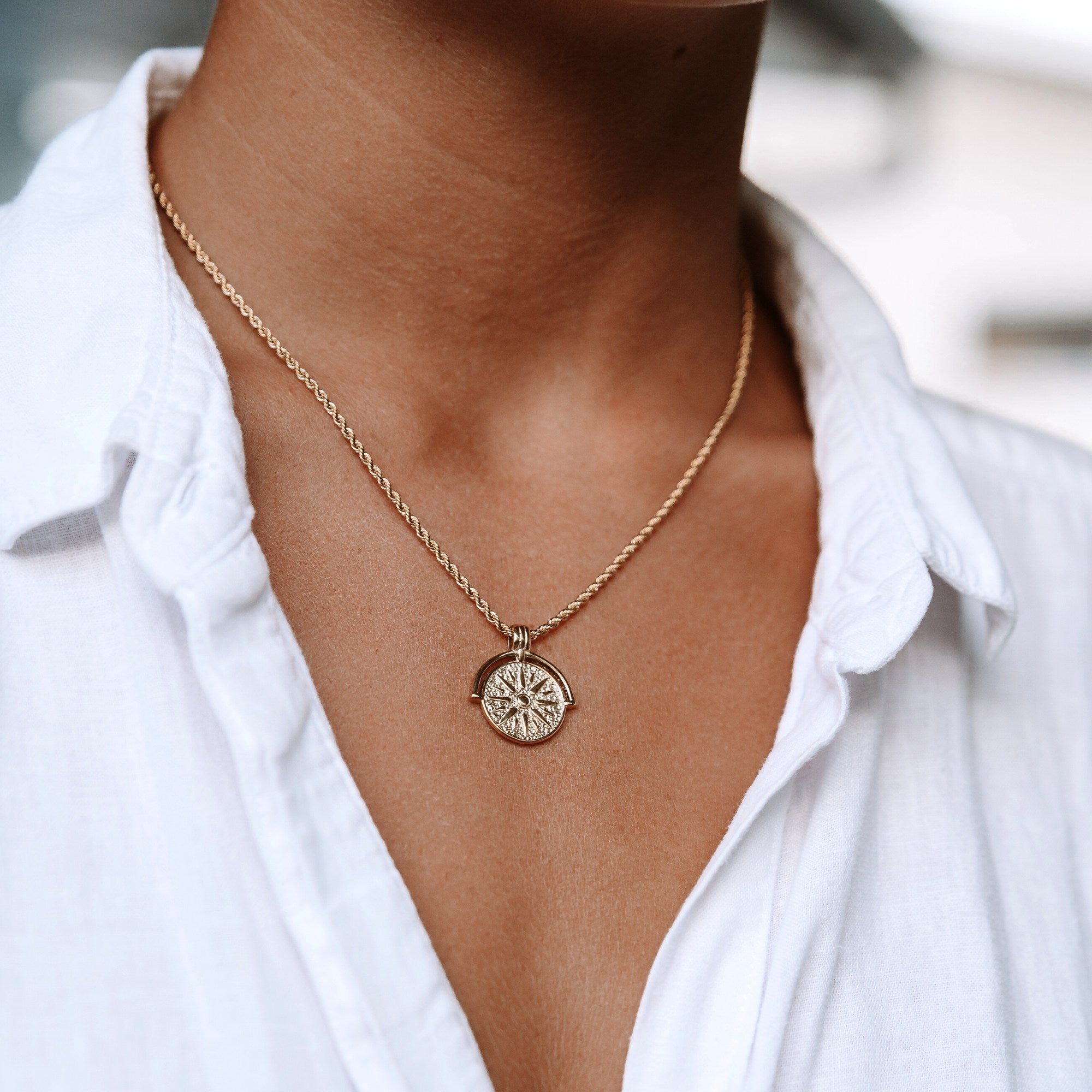
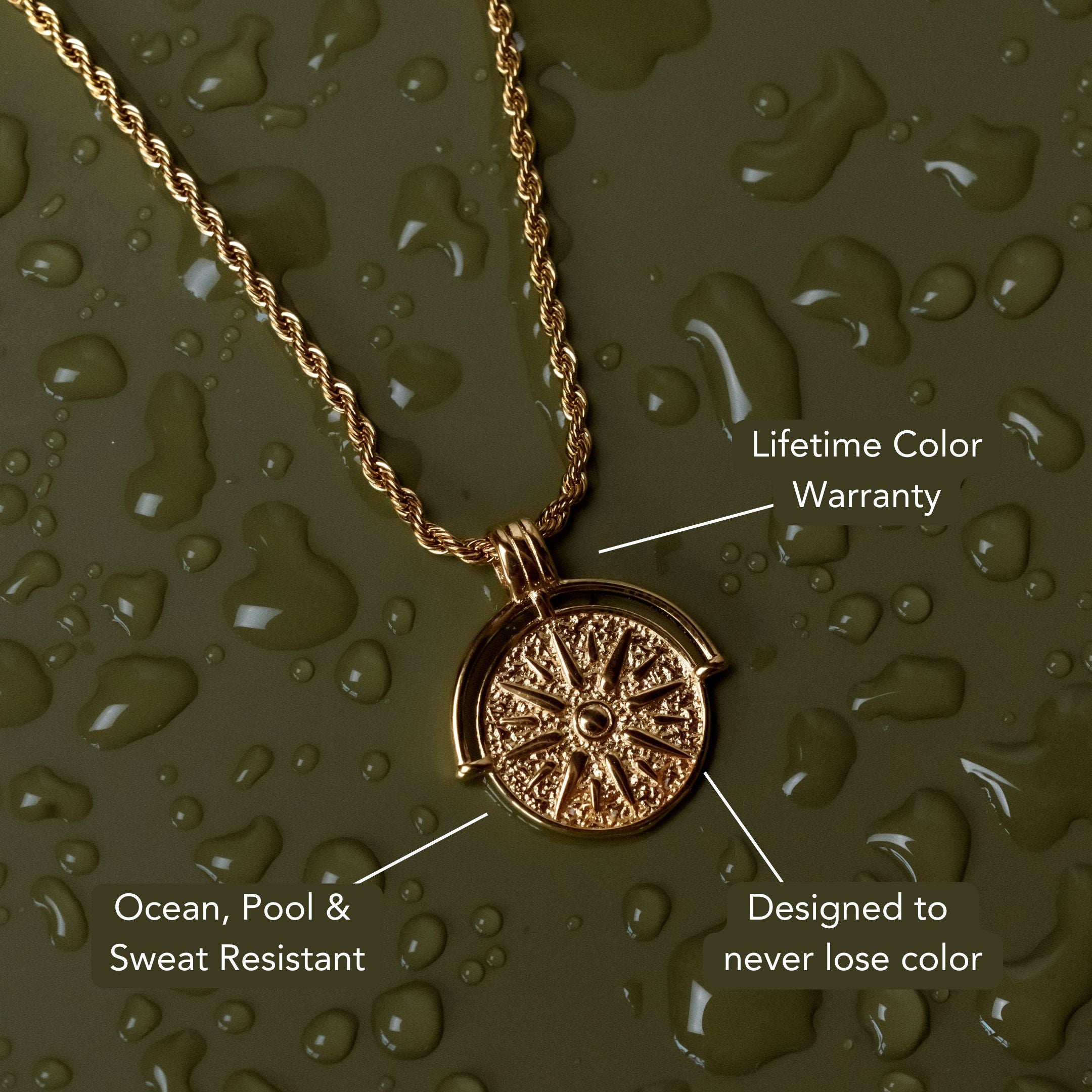
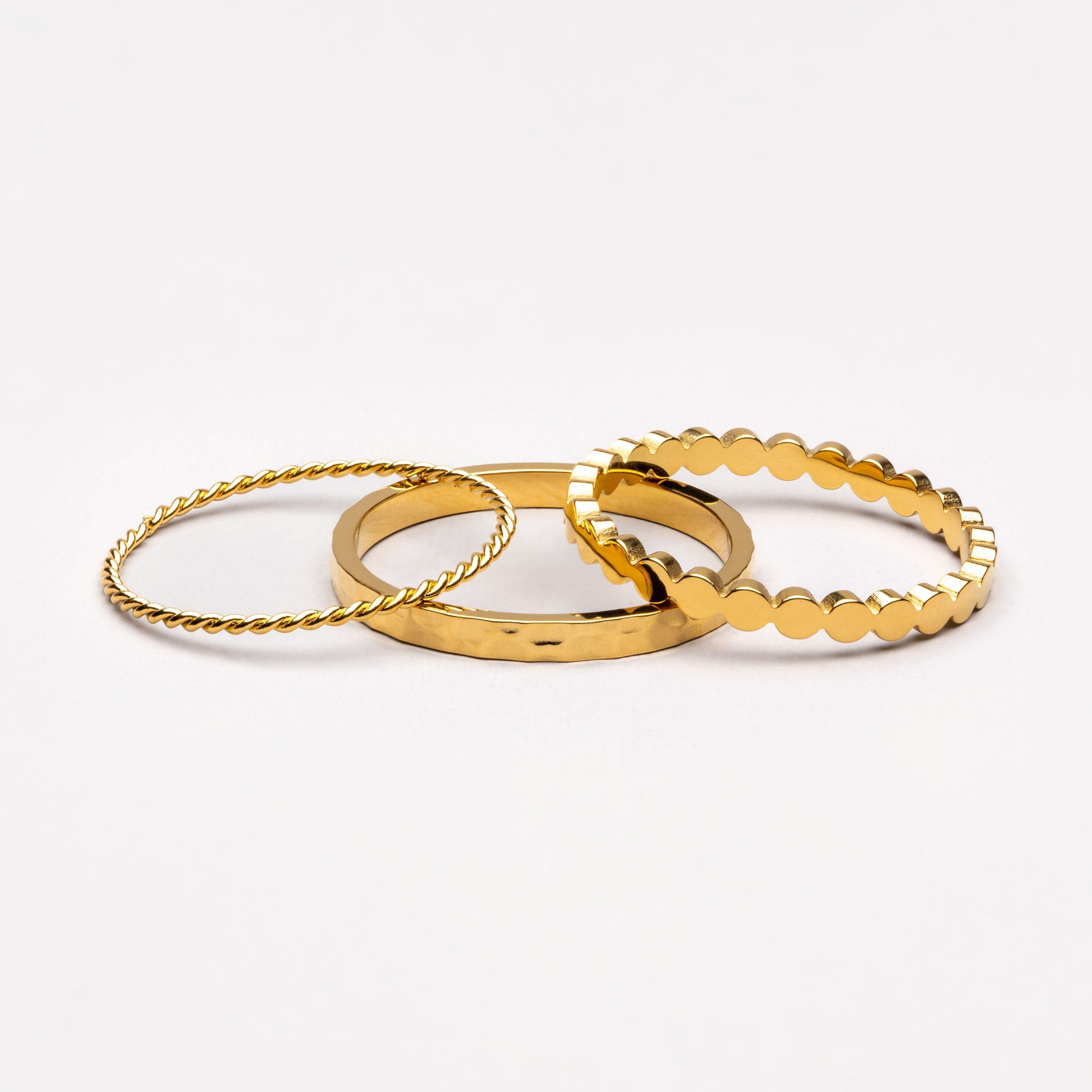
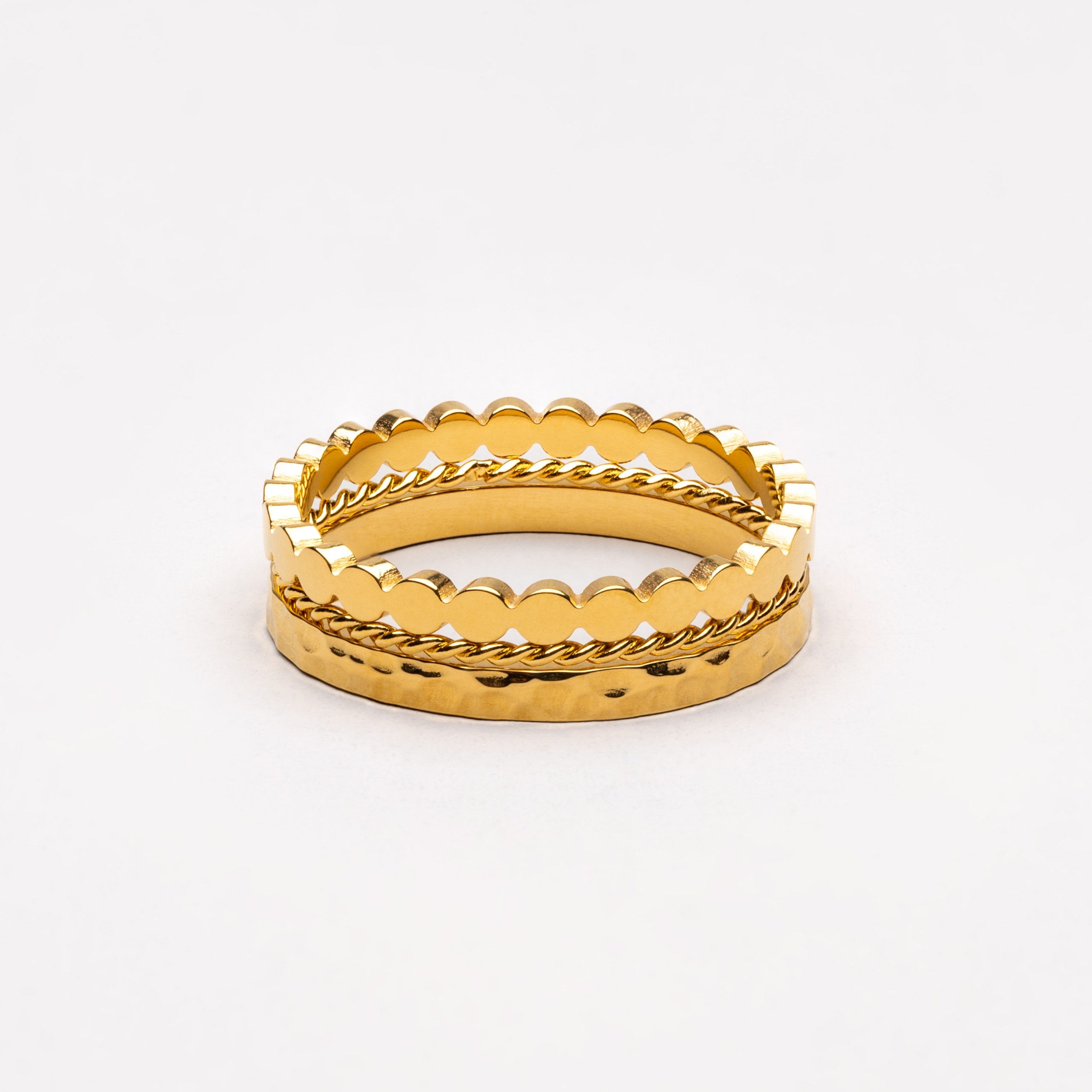
An allergic reaction to brass often appears as sharply localized itching, burning, and pink-red patches exactly where the metal touches your skin, usually within 12–72 hours. You may also notice fine scaling, dryness, or imprint-like marks that mirror the jewelry’s shape, and in some cases this can progress to small blisters, painful cracks, or swelling. Switching to skin-friendly options like pieces from Atolea’s Hypoallergenic Jewelry collection can help reduce the risk of irritation. More serious symptoms—such as spreading redness, hives, wheezing, flushing, or gastrointestinal discomfort—require prompt medical attention. Understanding the signs of an allergic reaction to brass can help you recognize it early and manage exposure more effectively.
Brass Allergy Basics and What Causes It
Although brass looks harmless and decorative, its alloy components—primarily copper and zinc, often with added nickel or lead—can trigger clinically significant allergic reactions in susceptible individuals.
You’re not reacting to “brass” as a whole, but to specific metals that leach from it when they contact sweat, friction, or cosmetics.
Brass composition effects matter because each added metal changes how much allergen is released to your skin. The strongest nickel sensitivity connection appears in patients already diagnosed with allergic contact dermatitis to nickel, cobalt, or chromium.
In you, the immune system misidentifies metal–protein complexes as threats, activating T‑cell–mediated delayed hypersensitivity.
Repeated exposure to brass objects—jewelry, buttons, instruments, hardware—reinforces sensitization and increases your risk of clinically relevant reactions over time.
Early Brass Allergy Skin Warning Signs
When a brass-related allergy first develops, your skin typically shows localized, symmetric signs at points of direct metal contact, often within 12–72 hours of exposure.
You’ll usually notice mild skin irritation first: pruritus (itching), erythema (redness), and a subtle burning or stinging sensation under jewelry, watchbacks, belt buckles, or instrument keys.
As the reaction progresses, early contact dermatitis appears as well-demarcated pink to red patches or thin plaques that mirror the shape of the brass item.
Fine scaling, dryness, and slight swelling may develop, with tiny papules or microvesicles at the margins.
You may also see imprint-like marks where brass touches flexural areas, such as the neck or wrist, that resolve partially when you remove the metal.

Serious Brass Allergy Symptoms to Watch For
As a brass allergy intensifies beyond mild dermatitis, you must watch for more serious manifestations that indicate significant cutaneous or systemic involvement.
You may notice rapidly spreading erythema, dense vesicles, erosions, or painful fissuring at sites contacting brass components, sometimes extending beyond direct contact areas. Marked edema of eyelids, lips, or hands suggests a robust hypersensitivity response.
You should also monitor for systemic symptoms after exposure: generalized urticaria, flushing, pruritus distant from contact sites, or angioedema of the face or extremities.
Respiratory complaints—wheezing, chest tightness, or dyspnea—raise concern for systemic allergic activation. Gastrointestinal symptoms such as nausea or abdominal discomfort can occasionally accompany severe reactions.
These patterns strongly support metal hypersensitivity and warrant targeted allergy testing for brass-related metals.
What to Do If You Think You’re Allergic to Brass
If you suspect brass is triggering your symptoms, your first step is to systematically limit further exposure while you document the reaction.
Remove or cover suspected brass items (jewelry, watchbands, belt buckles, instrument mouthpieces, hardware) and photograph lesions with dates and symptom notes.
Next, schedule evaluation with a dermatologist or allergist.
Bring a list of all metals you contact at work and home, duration of contact, and prior reactions suggesting broader metal sensitivity.
Ask specifically about brass allergy testing with standardized patch testing panels that include nickel, copper, zinc, and common alloys.
Don’t self-diagnose based only on appearance.
Until you’re evaluated, use non-metallic or hypoallergenic substitutes and avoid unnecessary metal-on-skin contact, especially on previously inflamed or compromised skin.

Brass Allergy vs. Other Rashes: How to Tell the Difference
Although many skin eruptions can look similar at first glance, brass allergy typically follows a predictable pattern that helps distinguish it from other rashes. You’ll usually see sharply defined redness, micro‑vesicles, and itching exactly where brass contacts skin—under watchbacks, jewelry clasps, belt buckles, or instrument mouthpieces. Symptoms intensify with repeated exposure and improve when you remove the item.
Brass composition effects matter: higher nickel or zinc content increases risk, and there’s a strong nickel sensitivity correlation.
If you already react to “cheap jewelry,” you’re more likely experiencing allergic contact dermatitis than eczema, fungal infection, or heat rash. Those conditions spread beyond contact zones, show different scaling or satellite lesions, and don’t consistently match the outline of the brass object.
Frequently Asked Questions
Can Brass Allergy Develop Suddenly After Years of Wearing Brass Jewelry Safely?
Yes, you can develop brass sensitivity suddenly after years of tolerance. Your immune system may become sensitized over time, triggering delayed allergic symptoms such as pruritus, erythema, vesicles, and eczematous dermatitis at contact sites.
Are Certain Occupations at Higher Risk for Developing a Brass Allergy?
Yes, you’re at higher risk in occupations with frequent brass contact. Occupational exposure in metalworkers, plumbers, jewelers, musicians, and electrical workers can increase metal sensitivity, especially when combined with sweating, friction, microtrauma, or inadequate protective equipment.
Can a Brass Allergy Make Existing Eczema or Psoriasis Worse?
Yes, brass allergy can exacerbate both conditions. In eczema, it adds potent eczema triggers, intensifying barrier disruption and pruritus. In psoriasis, increased cutaneous inflammation complicates psoriasis management, potentially provoking flares and reducing response to topical or systemic therapies.
Is It Safe to Handle Brass Instruments if I Have a Brass Allergy?
It’s generally unsafe; direct contact can trigger allergic symptoms, especially if the brass composition contains nickel. You should use barriers (gloves, lacquered mouthpieces), limit skin contact, and consult dermatology/allergy for patch testing and individualized risk assessment.
How Do I Safely Replace Brass Items at Home to Avoid Future Reactions?
You systematically replace brass with stainless steel, plastic, or coated metals, prioritizing high-contact items (handles, faucets, jewelry). You verify product composition, avoid nickel-heavy alloys, use barrier coatings, and consult dermatology for individualized brass alternatives and long-term allergy prevention strategies.
Conclusion
You now know how brass allergy develops, which skin changes signal sensitization, and which systemic symptoms require urgent care. If you notice localized erythema, pruritus, vesicles, or delayed rash after brass exposure, stop contact immediately and document timing and triggers. Seek evaluation for patch testing and evidence‑based management, including barrier strategies and alternative materials. Don’t ignore progressive swelling, breathing difficulty, or widespread hives—those warrant emergency assessment to rule out severe allergic reactions.






Leave a comment
This site is protected by hCaptcha and the hCaptcha Privacy Policy and Terms of Service apply.