

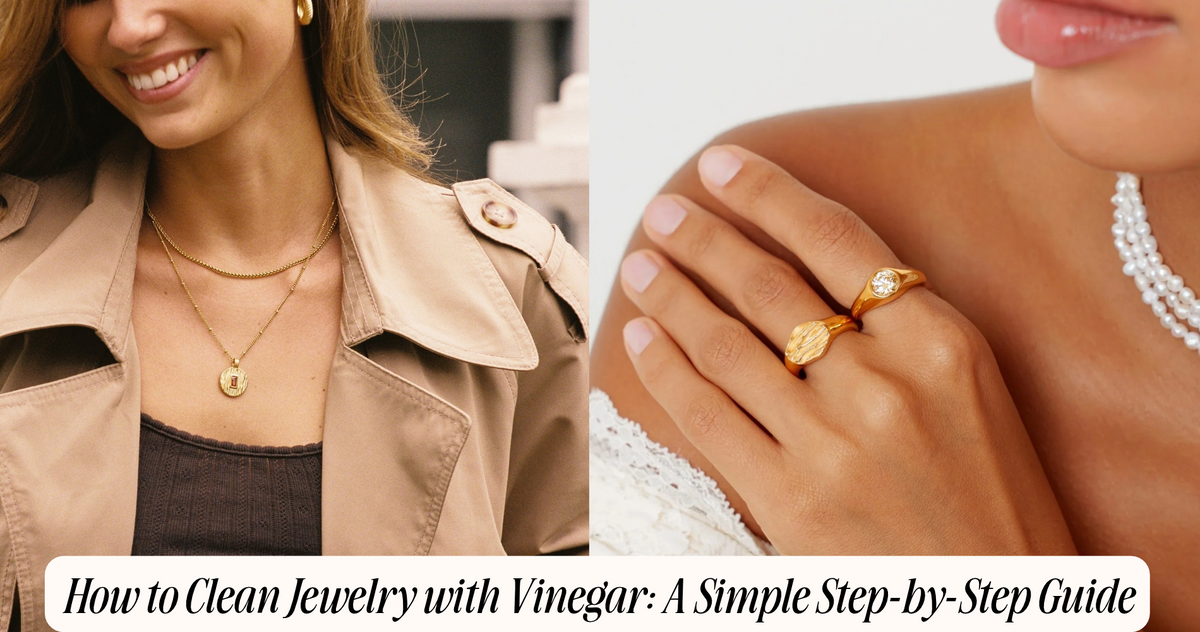
How to Clean Jewelry with Vinegar: A Simple Step-by-Step Guide
The short answer to how to clean jewelry with vinegar: mix white vinegar with an equal amount of water, soak solid, unplated pieces such as tarnished sterling silver for a few minutes, rinse well, and dry completely. Skip vinegar on pearls, plated jewelry, PVD-coated pieces, and soft stones.
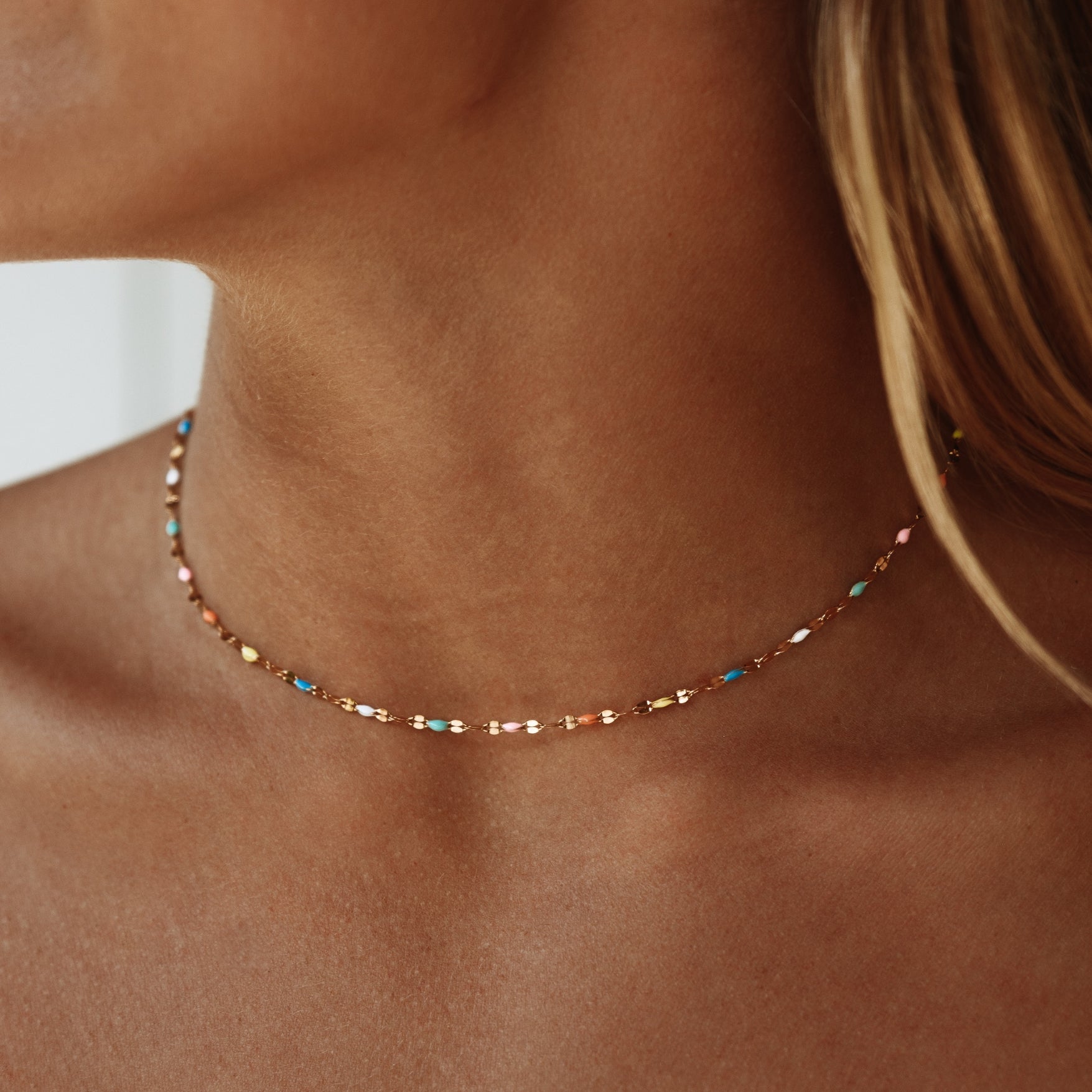
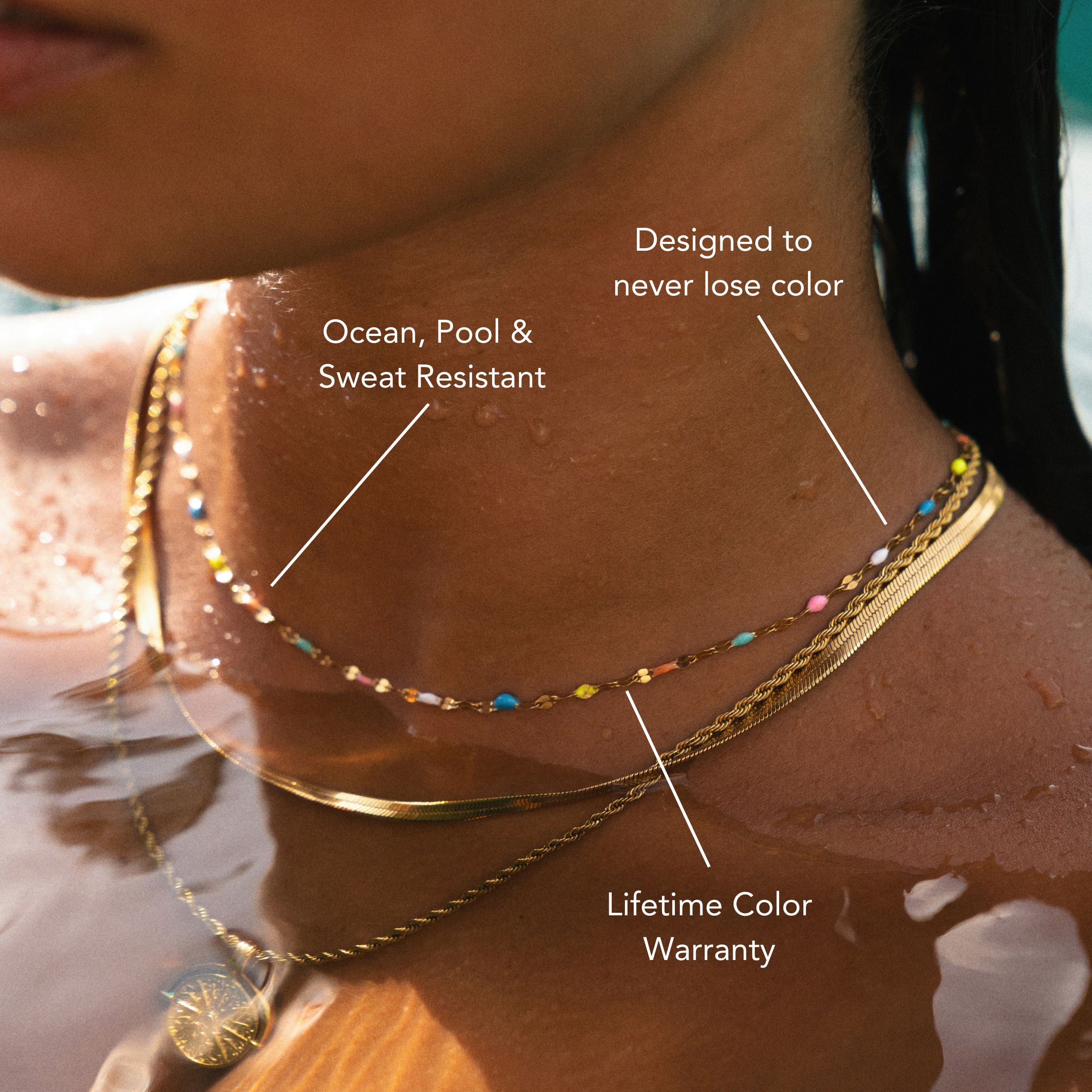
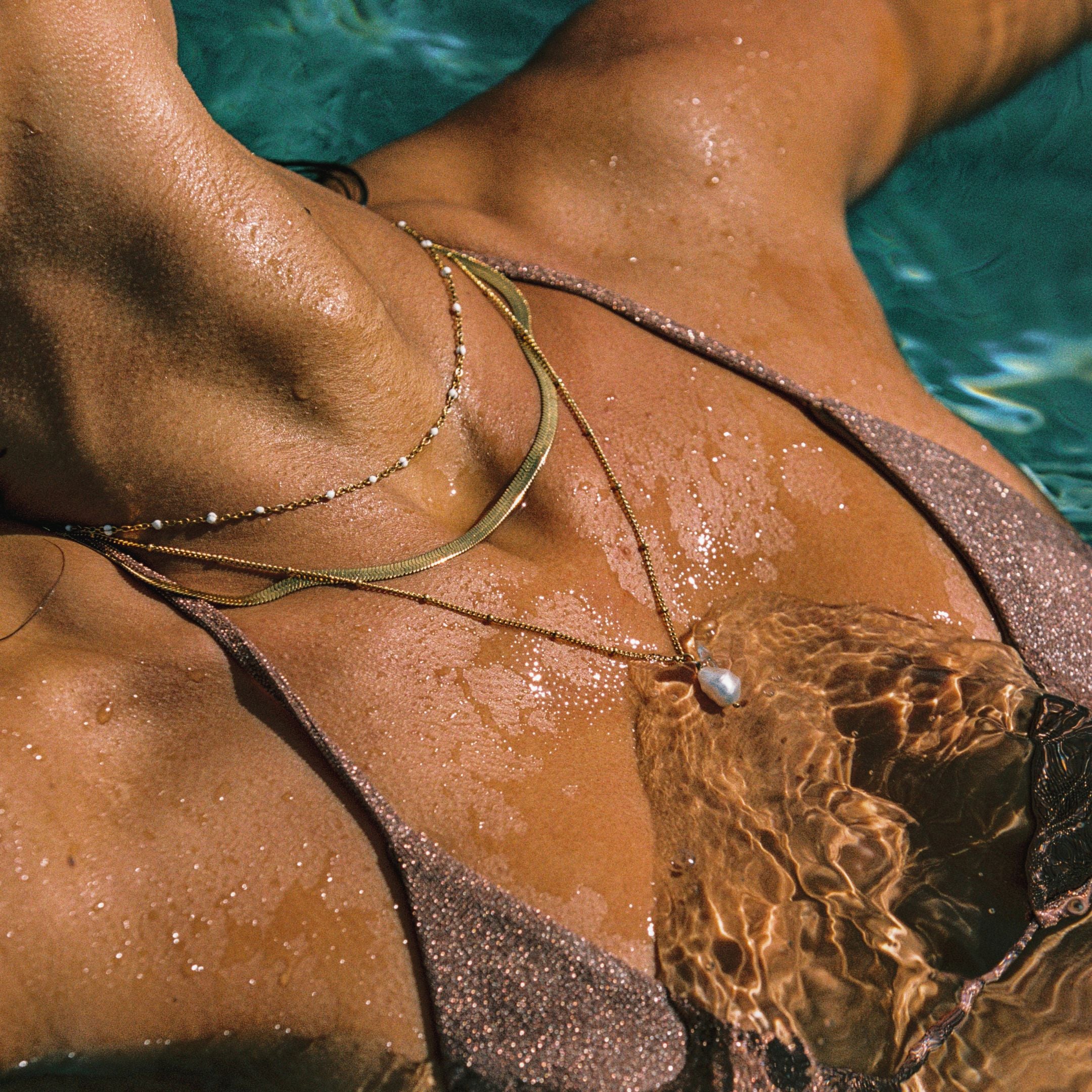
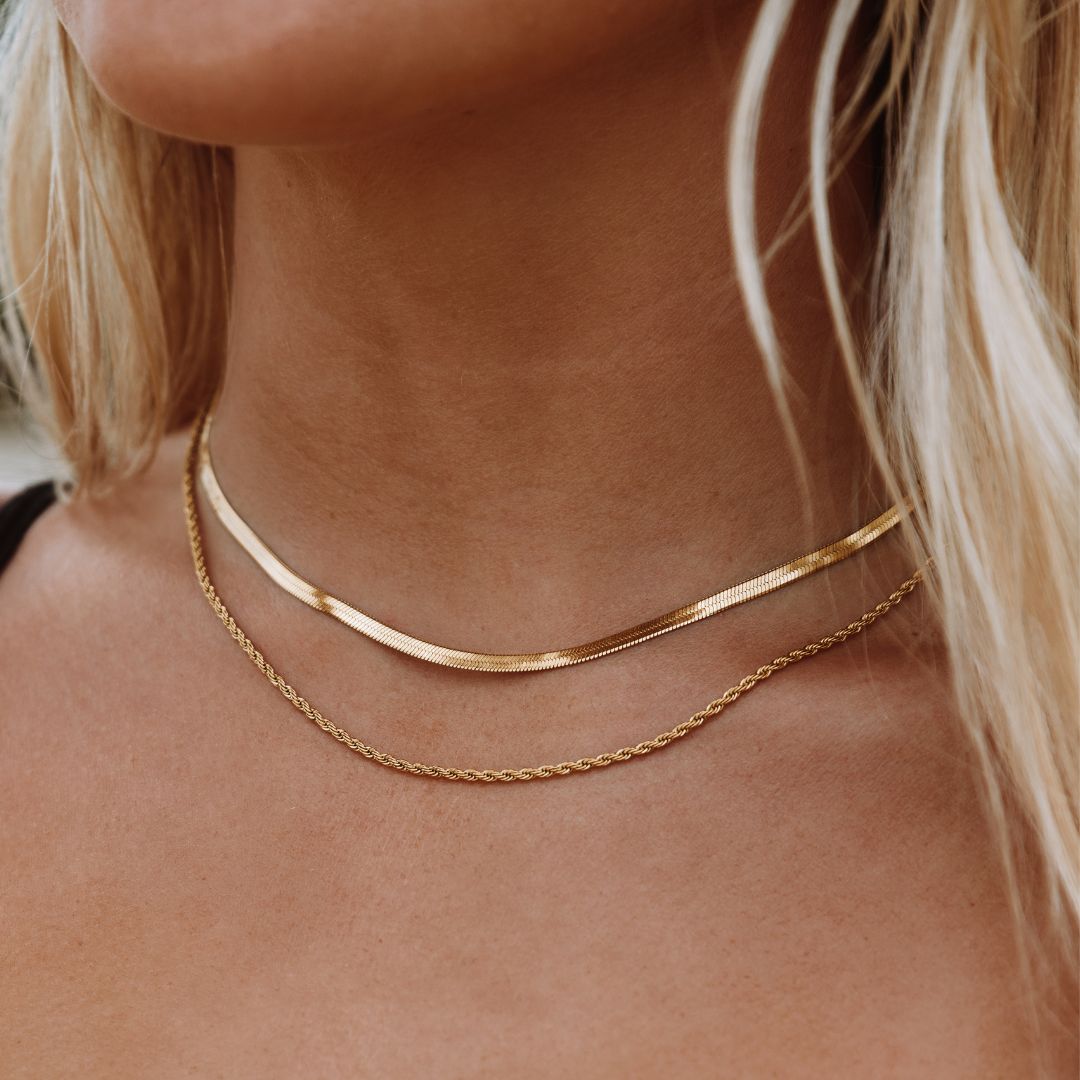
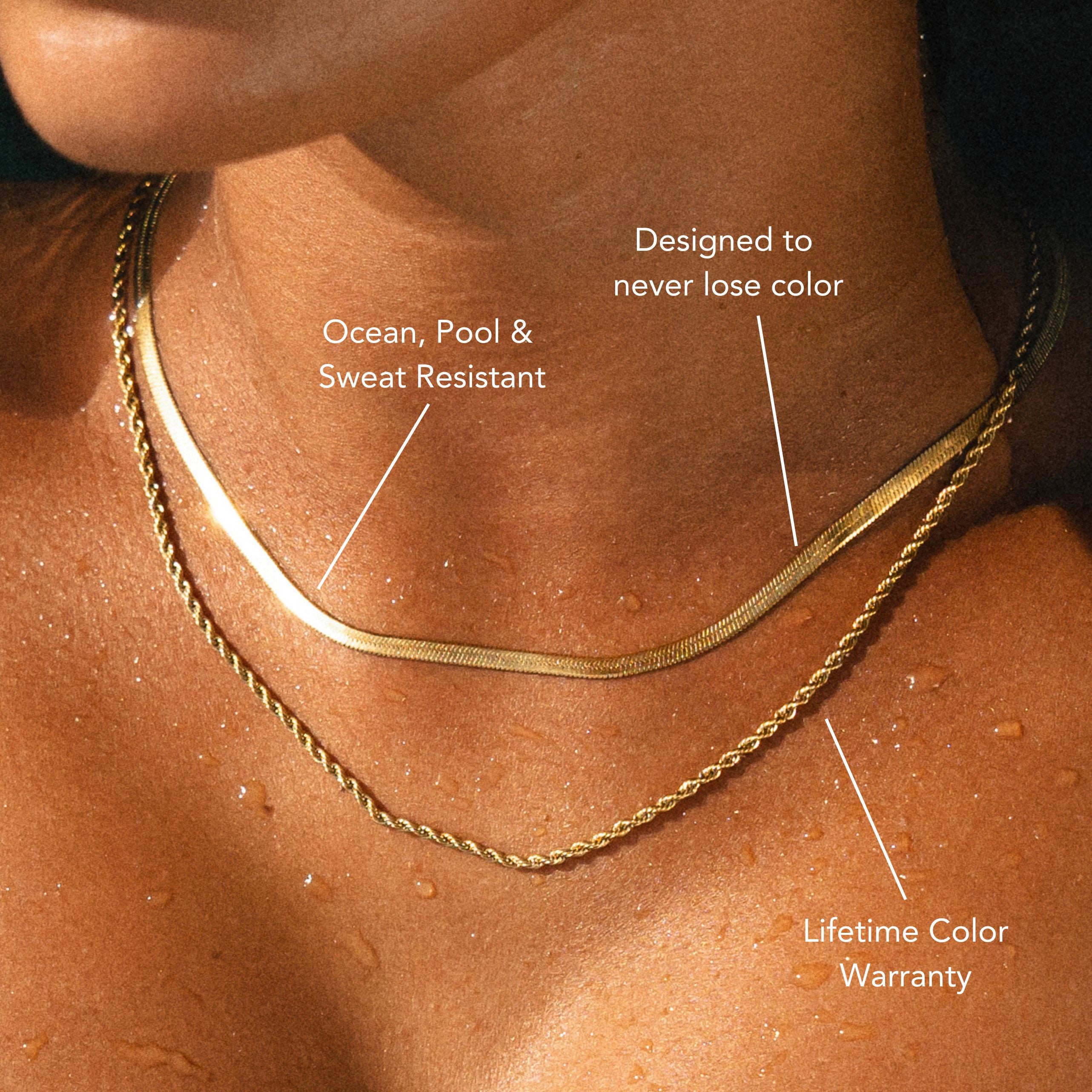
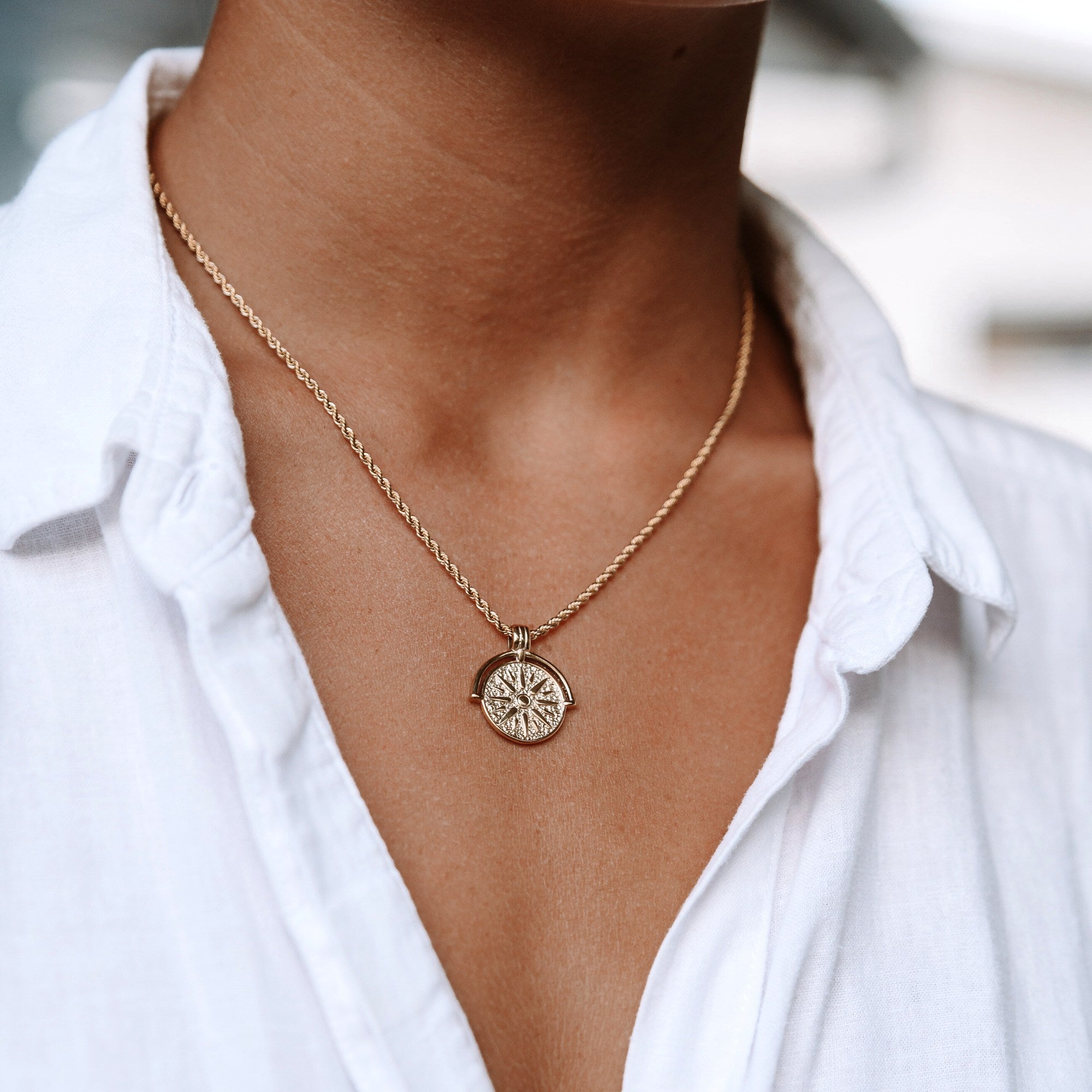
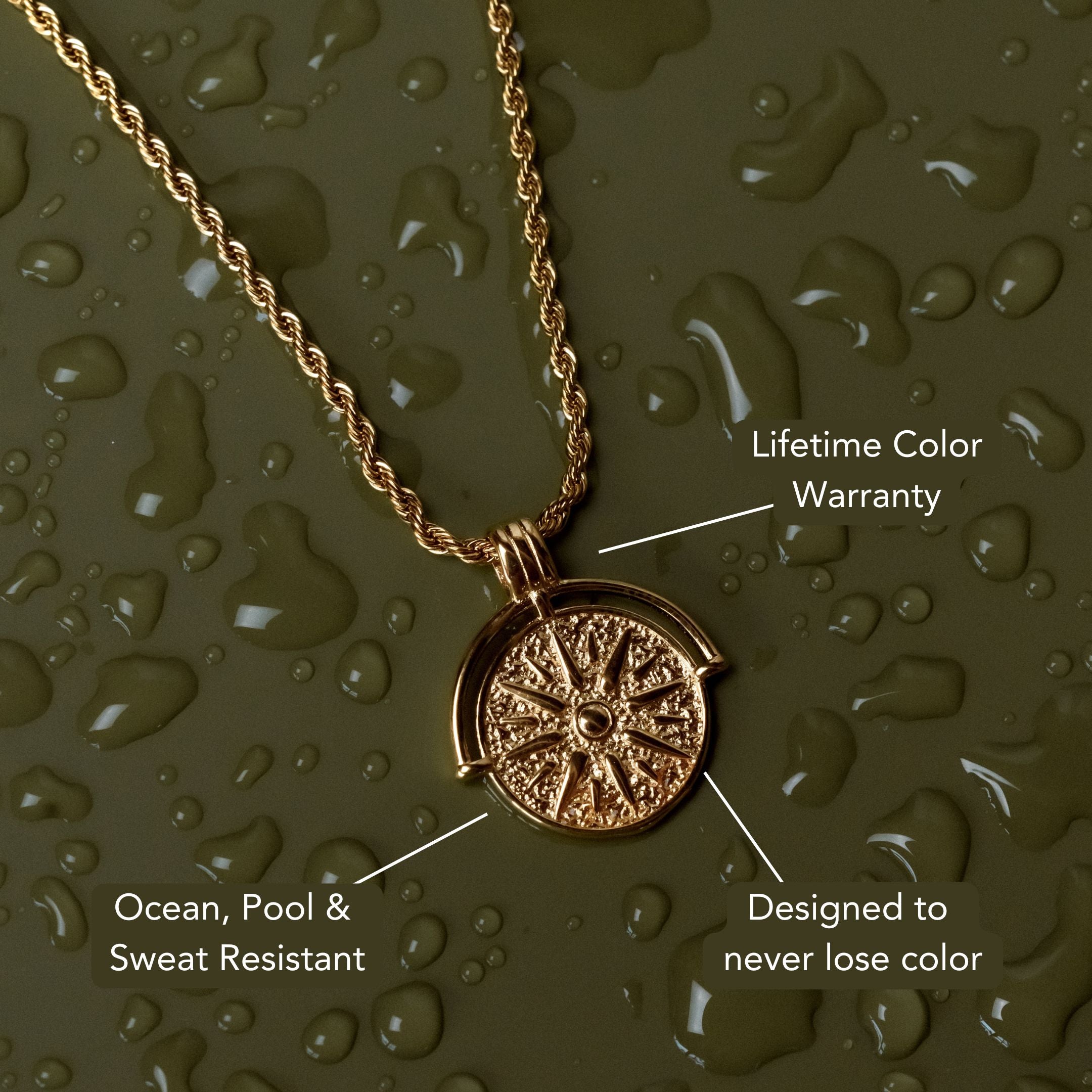
Vinegar is a mild acid, which is why it loosens grime and why it can also harm the wrong material. If you would rather avoid cleaning experiments altogether, the waterproof pieces in our Advent Calendar collection are made for the shower, pool, ocean, gym and sweat. In this guide, we will explain which jewelry suits a vinegar soak, the exact steps, and what to use instead.
Quick answer: Mix equal parts white vinegar and water, soak solid, unplated jewelry like sterling silver for five to ten minutes, brush gently, rinse with clean water, and dry fully. Never use vinegar on pearls, plated or PVD-coated jewelry, or soft stones like opal.
Does vinegar actually clean jewelry?
Yes, but only on a narrow range of pieces. Diluted white vinegar can loosen skin oils, lotion residue, and light tarnish from solid metal, yet its acidity also harms coatings, pearls, and soft stones, so it works best as a specialty tool.
The American Gem Society lists vinegar among the old home remedies to avoid, warning that its acidity can damage metals and softer gemstones. We agree the risk is real. Treat vinegar as an occasional fix for sturdy pieces, not an everyday cleaner.
Which jewelry can you clean with vinegar?
Vinegar suits solid, unplated metals with no stones or pearls: sterling silver, brass, and copper. Anything coated, plated, glued, or set with a porous gem needs a gentler method. Check this table before you reach for the bottle.
| Jewelry type | Vinegar? | Better option |
|---|---|---|
| Solid sterling silver | Yes, diluted | Polishing cloth for light tarnish |
| Unplated brass or copper | Yes, diluted | Mild soap and water |
| Solid gold | Use caution | Mild soap first |
| Gold-plated pieces | No | Damp cloth and mild soap |
| PVD-coated stainless steel | No | Mild soap and warm water |
| Pearls | Never | Soft damp cloth |
| Opal, emerald, other soft stones | Never | Soft damp cloth |
How to clean jewelry with vinegar, step by step
Mix equal parts white vinegar and water, test one small area, soak for five to ten minutes, brush gently, rinse thoroughly, and dry completely. Stop at the first sign of dulling or spotting. Follow these steps in order:
- Check the material. Confirm the piece is solid metal with no plating, pearls, or soft stones.
- Mix the solution. Combine equal parts white distilled vinegar and room-temperature water in a glass or plastic bowl.
- Spot-test. Dip a small hidden area for 30 seconds, rinse, and look for dulling.
- Soak briefly. Submerge the piece for five minutes, check it, and stop by ten minutes.
- Brush gently. Use a soft-bristled brush or cotton swab in chain links and crevices.
- Rinse completely. Run clean water over the piece until the vinegar smell is gone.
- Dry fully. Pat with a soft, lint-free cloth so no moisture stays behind.
Repeat only when tarnish returns, because frequent soaking adds wear.
Which jewelry should never touch vinegar?
Pearls, plated jewelry, PVD-coated pieces, and soft stones should never touch vinegar. Each reacts badly to acid in its own way, and the damage is often permanent.
- Pearls: They are mostly calcium carbonate, so acid etches the surface and dulls the luster for good.
- Plated jewelry: A thin gold layer sits over a different base metal, and acid can attack it through tiny gaps.
- PVD-coated stainless steel: The finish does not tarnish like silver, so soap removes what builds up and acid adds risk.
- Soft or porous stones: Opal and emerald can etch, cloud, or absorb liquid.
What should you use instead of vinegar?
Mild dish soap and warm water is the safest default for most finished jewelry. Mix one cup of warm water with one drop of soap, wipe gently, rinse, and dry fully. Pearls are the exception and need only a soft damp cloth.
| Piece | Method | How often |
|---|---|---|
| PVD-coated stainless steel | Mild soap, warm water, soft cloth | Weekly for daily wear |
| Pearls | Soft damp cloth | After each wear |
| Solid silver | Polishing cloth or short diluted vinegar soak | When tarnish appears |
What does cleaning look like on everyday pieces?
Match the method to the piece. Gold-color jewelry worn through showers needs a weekly soap rinse, while pearl earrings need only a soft damp cloth. Neither needs vinegar.

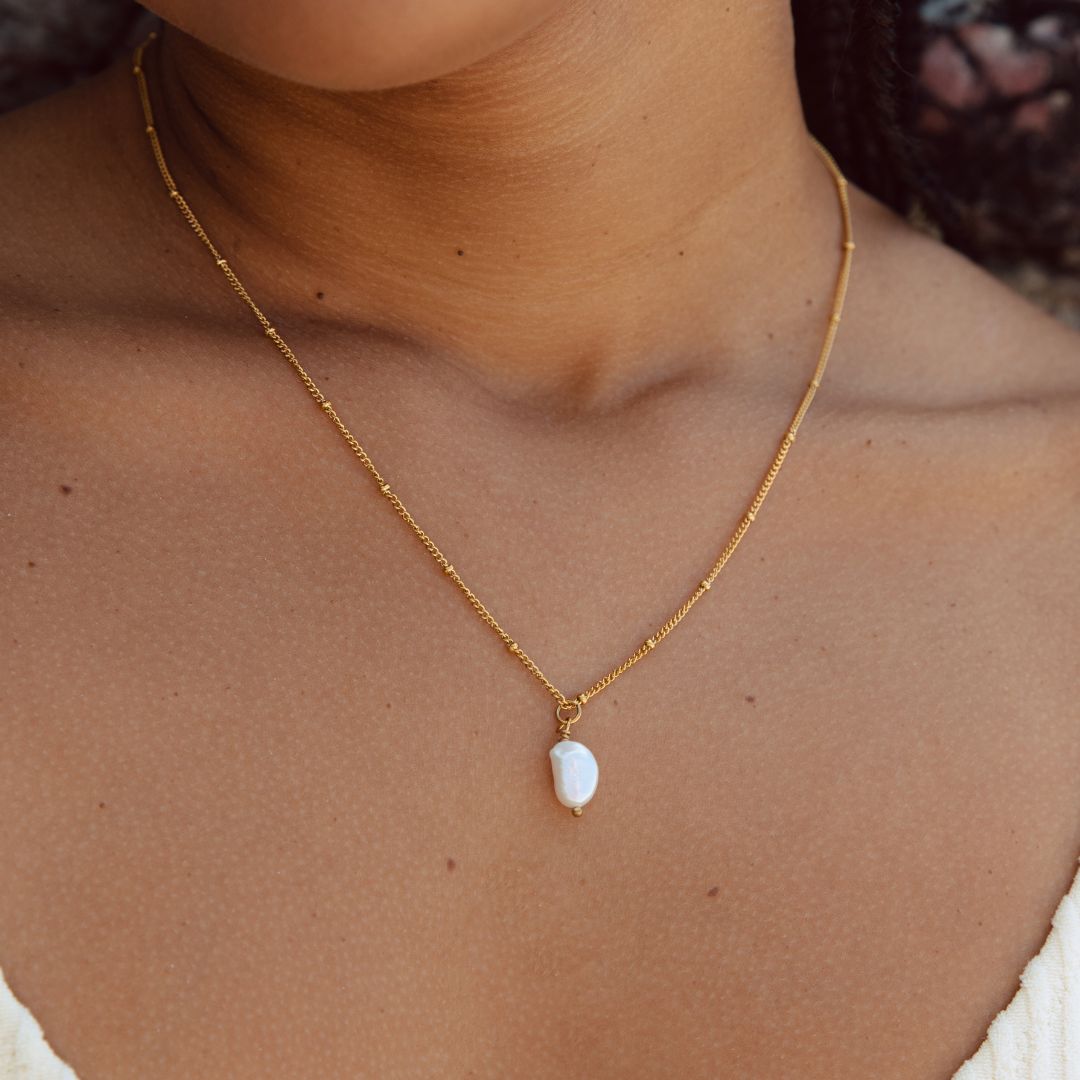
Take The Sunshine Bauble, which pairs a sun necklace with tiny gold hoop earrings in high-quality stainless steel with an 18k gold PVD finish. After a week of sunscreen and showers, rinse both in warm water with one drop of mild soap, dry with a soft cloth, and skip the vinegar. Now take The Pearl Bauble, which holds a baroque pearl pendant and freshwater pearl hoop earrings. Those pearls get a soft damp cloth after wearing and nothing acidic, ever.

Final Thoughts
Knowing how to clean jewelry with vinegar mostly means knowing when not to. Use a diluted soak on solid silver or brass, and choose mild soap and water for everything else.
Frequently Asked Questions
Can you clean jewelry with vinegar?
Yes, but only solid, unplated metals such as sterling silver or brass. Dilute the vinegar with equal water, soak for a few minutes, rinse, and dry. Avoid vinegar on pearls, plated jewelry, PVD-coated pieces, and soft stones like opal, because the acid can dull or damage them.
How long should you soak jewelry in vinegar?
Soak for five minutes, check the piece, and stop by ten minutes at most. Longer soaks raise the risk of dulling or spotting. Always spot-test a hidden area first, and rinse with clean water until the vinegar smell is gone before drying.
Does vinegar remove tarnish from silver jewelry?
The mild acid can loosen light tarnish and grime on solid silver, but results vary and heavy tarnish rarely clears in one soak. A silver polishing cloth is gentler and more predictable. Never use vinegar on silver-plated pieces, since the thin coating can wear through.
Can vinegar damage jewelry?
Yes. Acid can etch pearls, pit soft stones like opal, dull plated finishes, and leave spots on metal if it is not rinsed away. That is why a short soak, a thorough rinse, and a material check beforehand matter more than the recipe itself.





Leave a comment
This site is protected by hCaptcha and the hCaptcha Privacy Policy and Terms of Service apply.