

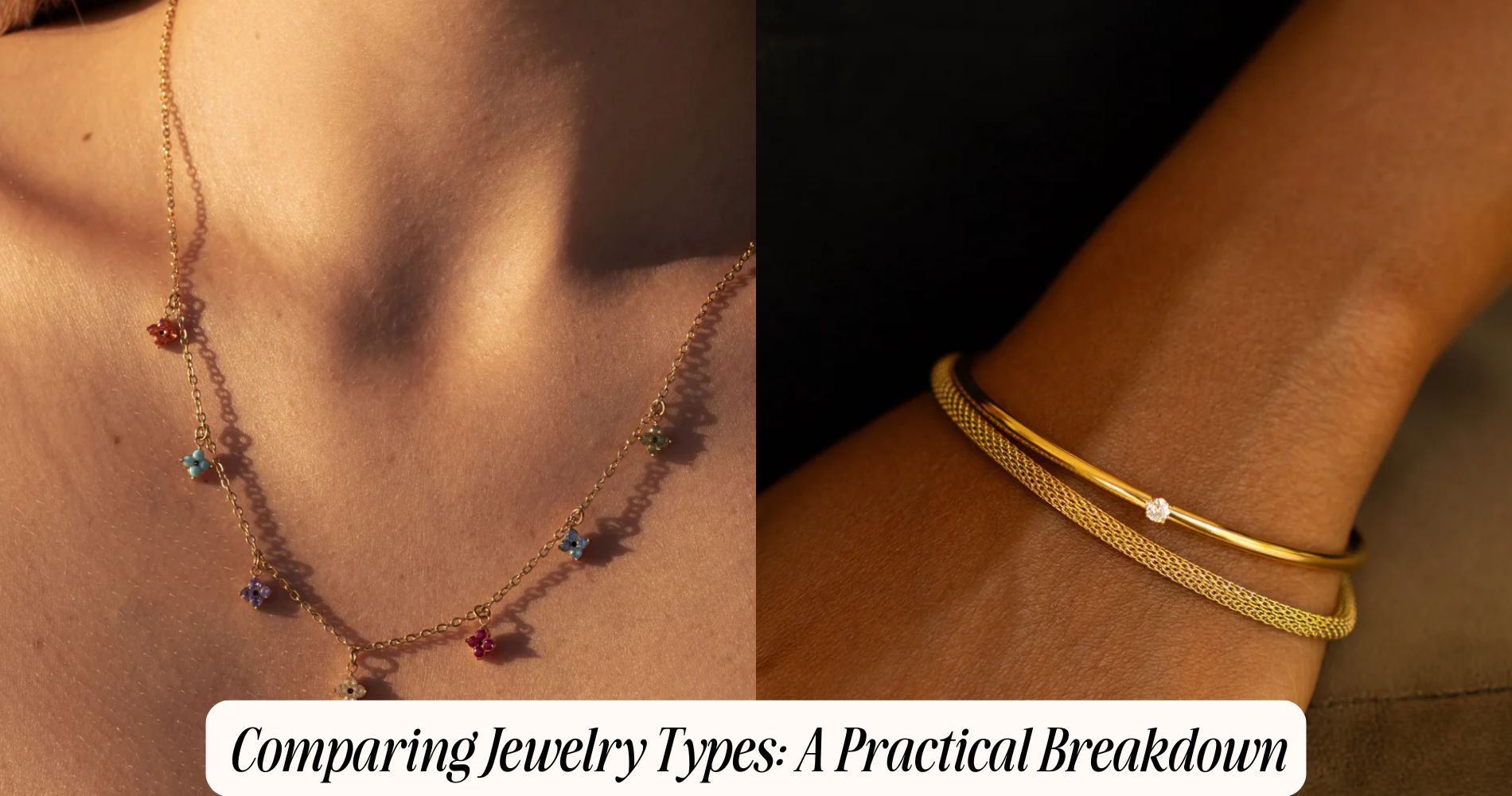
Comparing Jewelry Types: A Practical Breakdown
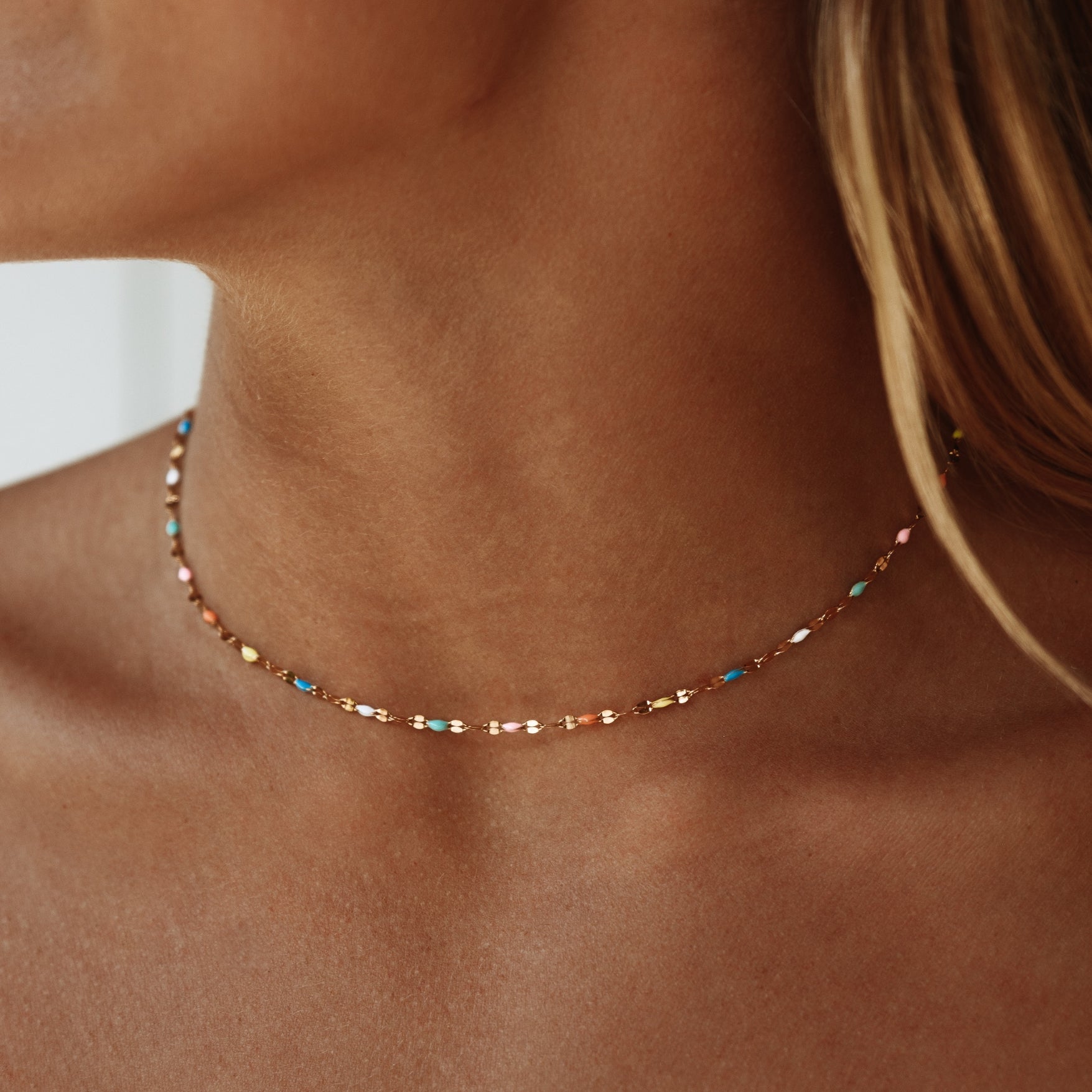
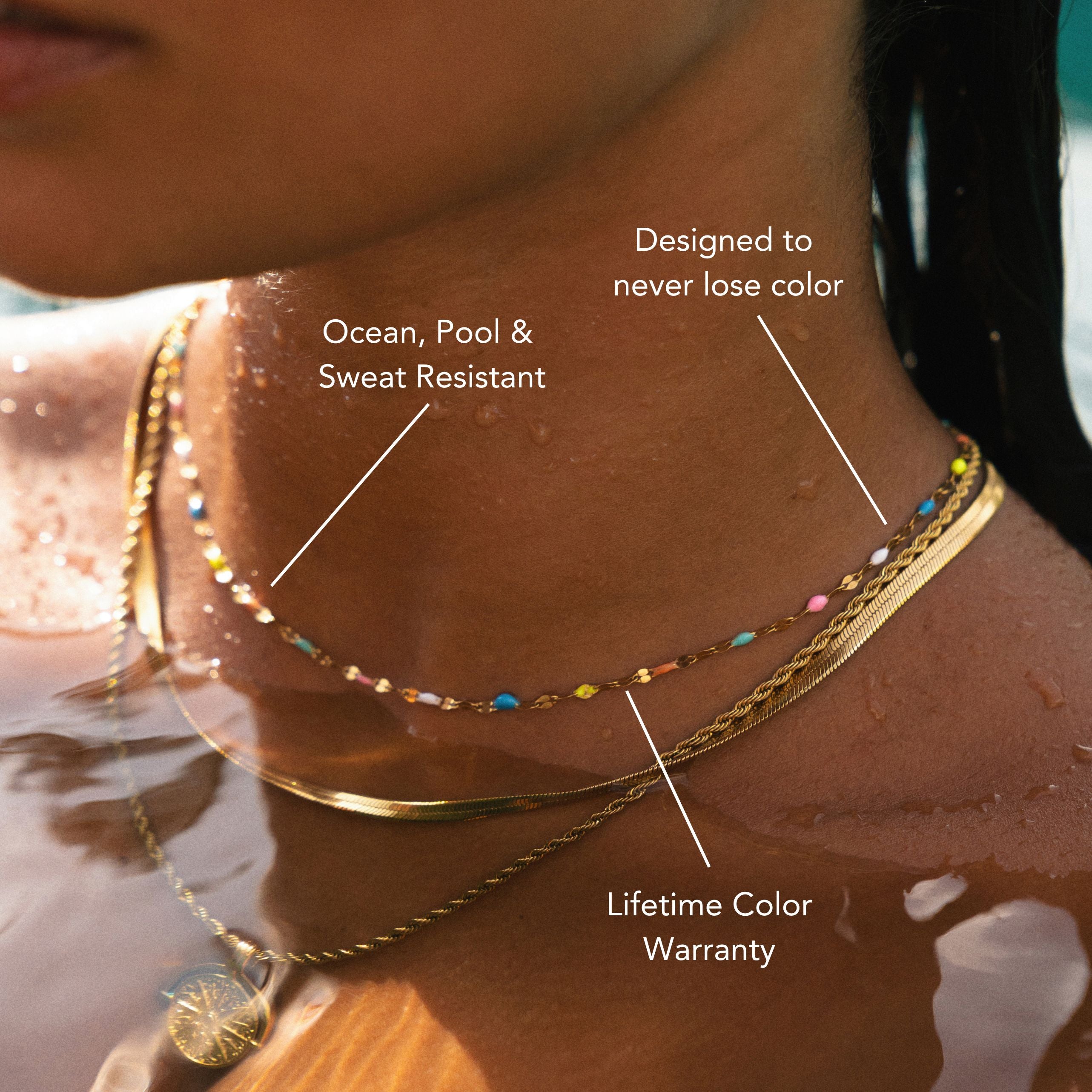
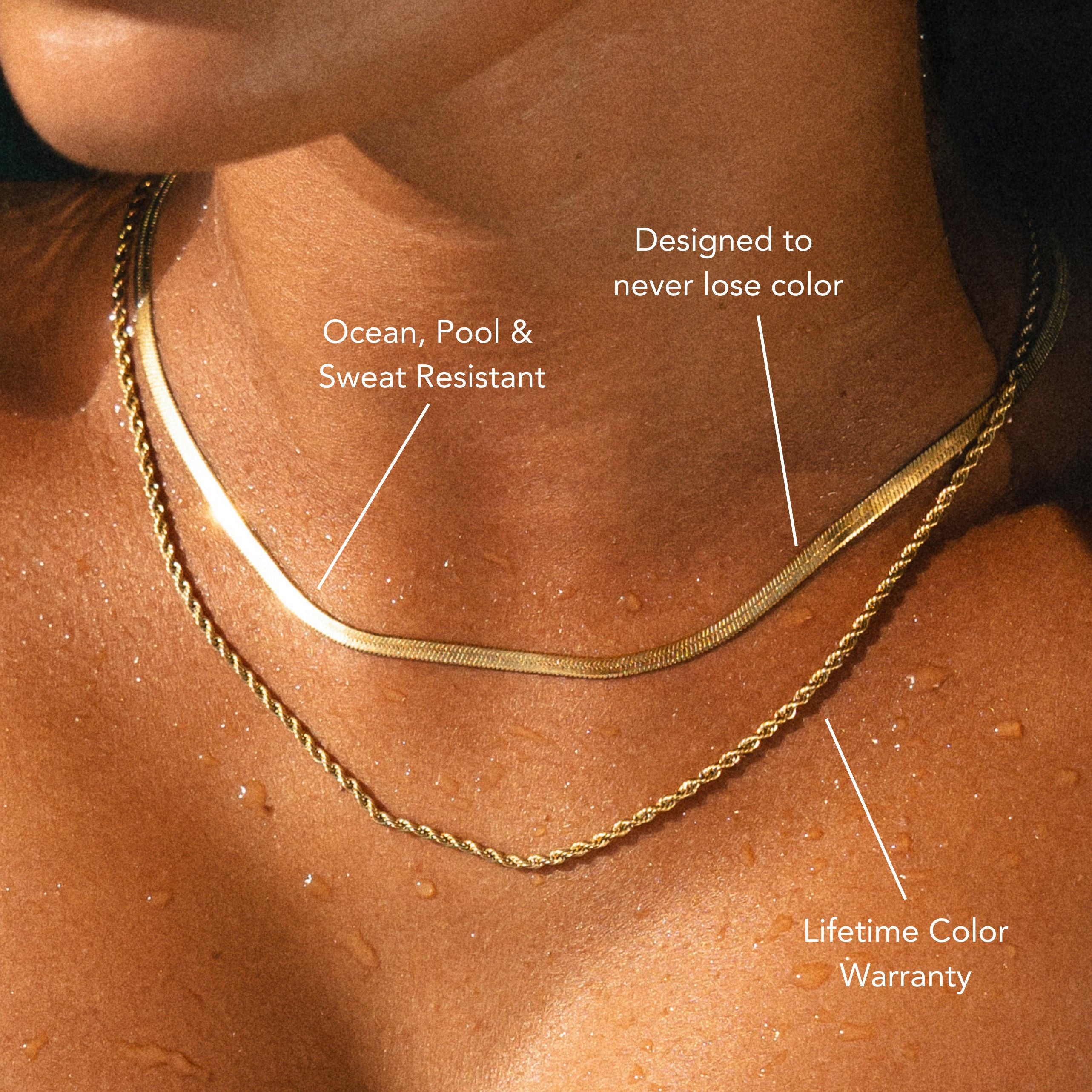
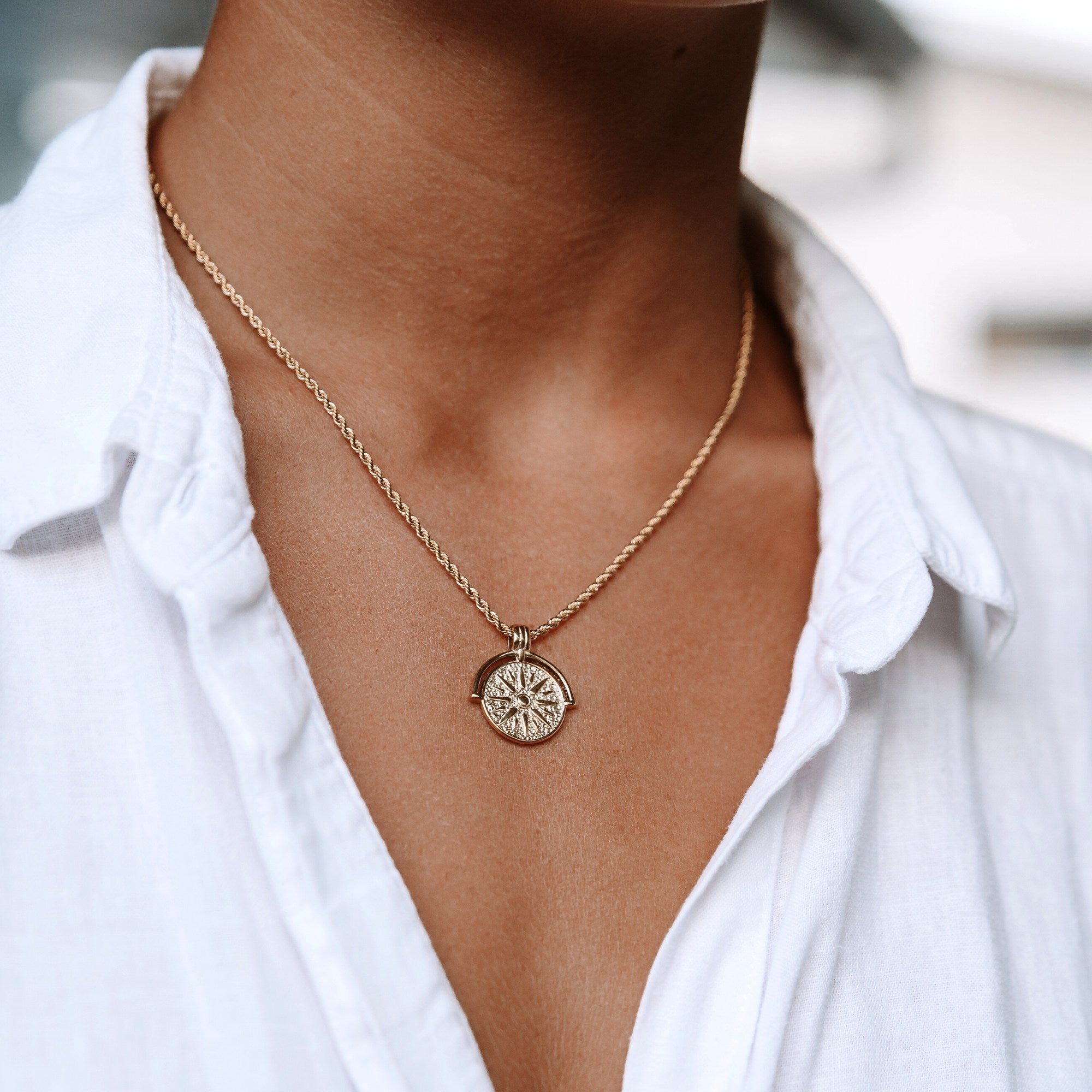
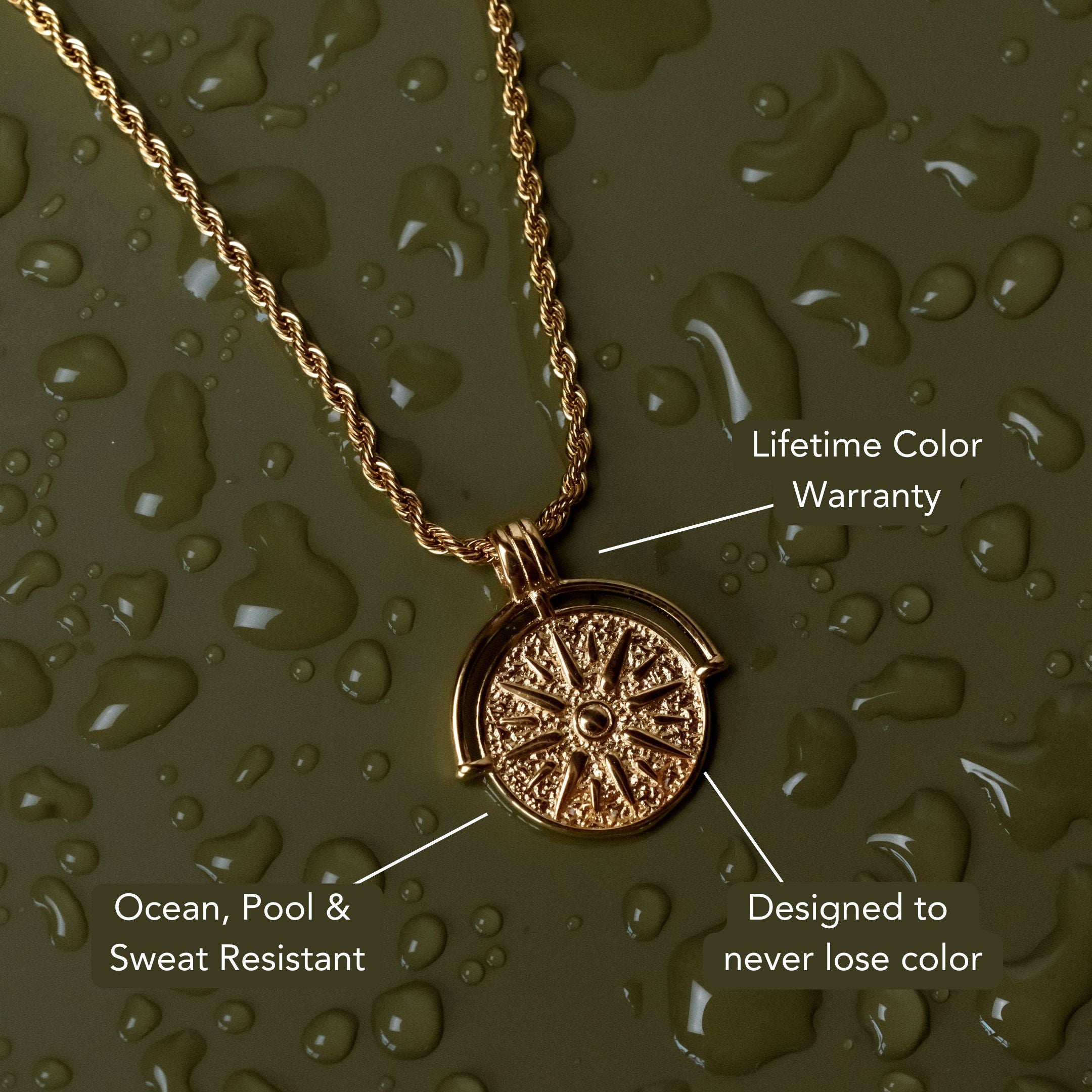
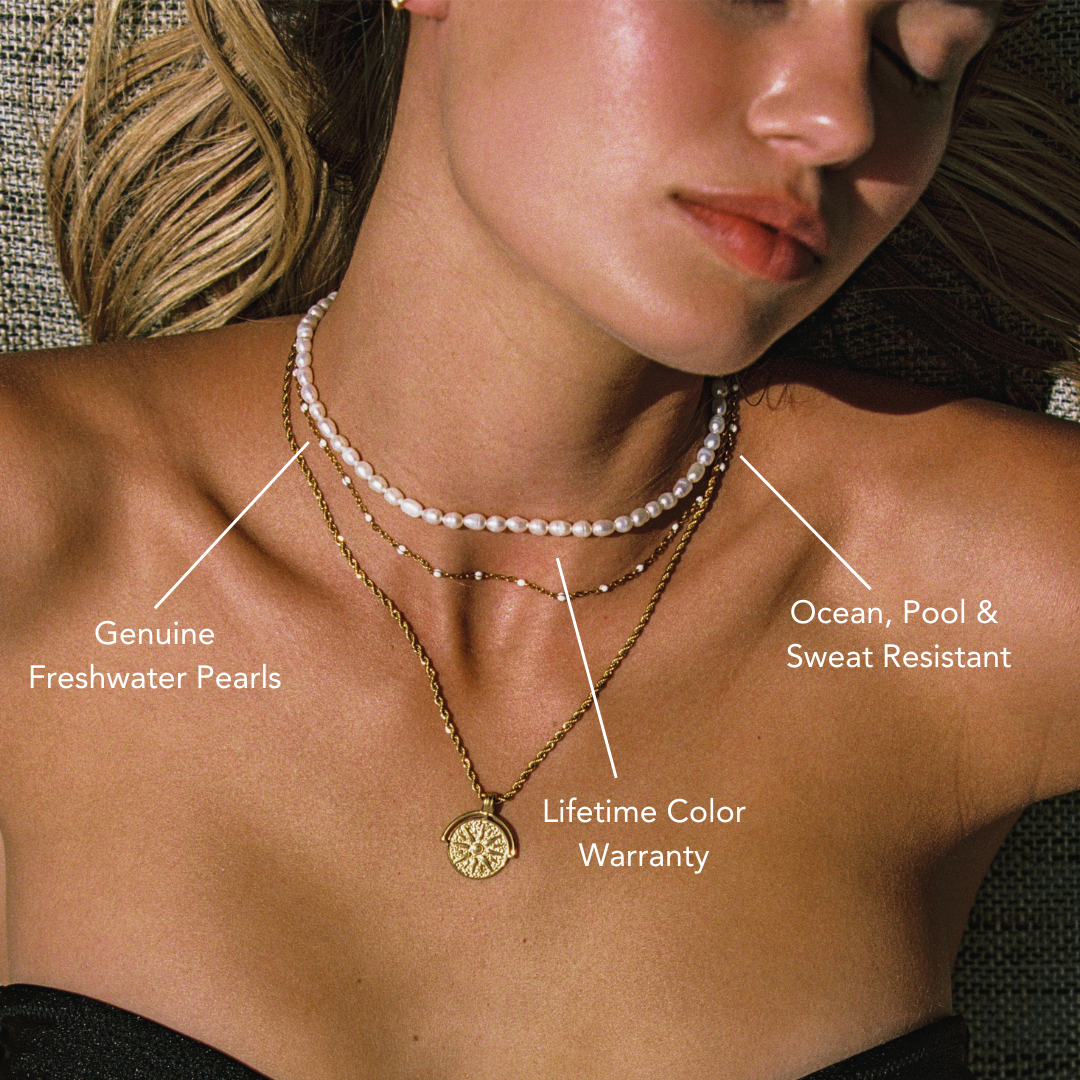
When comparing jewelry types, focus on what truly drives value, durability, and long-term wear. Fine jewelry is crafted from 18k–24k gold or PT950 platinum with GIA/AGS-graded stones, tight tolerances, and strong resale potential. Demi-fine jewelry balances quality and cost by using sterling silver or brass cores with thicker gold plating (2.5 microns or more) and reliable quality control. Fashion jewelry prioritizes trends and margins over intrinsic materials, while artisan pieces derive value from provenance, labor hours, and limited editions. For everyday wear, solid gold, gold-filled, or vermeil tend to perform best—especially when paired with low-maintenance options like Waterproof Jewelry, which better withstands moisture and daily exposure. Next, you’ll see how to match each type to your budget and lifestyle.
What Defines Fine Jewelry
Provenance and material purity define fine jewelry more than ornament. You evaluate intrinsic value first: high-karat gold (18k–24k), platinum (PT950), or palladium alloys with documented assay results.
Gemstones should have recognized grading reports (e.g., GIA, AGS) detailing color, clarity, cut, and carat, plus treatments disclosed. You prioritize materials sourcing transparency—mine origin, chain-of-custody, and batch traceability—because these influence price stability and resale.
You also weigh craftsmanship metrics: precision tolerances in settings, secure prong geometry, even wall thickness, and finish quality (RA surface readings). Hallmarks and maker’s marks support authenticity.
Ethical considerations and compliance (RJC certification, Kimberley Process, recycled metals) reduce reputational and regulatory risk. Finally, durability matters: inert noble metals, repairability, and component standardization support longevity, insurability, and liquidity.

Understanding Demi-Fine Pieces
Fine standards set the benchmark, but demi-fine occupies a calibrated middle: precious metal surfaces and quality control without full intrinsic weight. You’re typically looking at sterling silver or brass cores with vermeil or micron-plated gold, plus calibrated lab-grown or lower-carat natural stones.
These demi fine materials deliver visible luxury cues while controlling raw-metal exposure and price volatility.
Assess hallmarking, plating thickness (aim for 2.5 microns+ for durability), and solder integrity at joints. Verify nickel-safe alloys and anti-tarnish treatments. You’ll balance replacement cost against wear lifecycle: expect multi-year service under normal rotation.
Track demi fine trends: modular charms, recycled silver, lab diamond melee, and mixed finishes that reduce polishing loss.
For valuation, model by substrate, coating thickness, gemstone grade, and serviceability (replating feasibility).
The Role of Fashion Jewelry
Three functions define fashion jewelry’s role in a collection: trend signaling, cost-efficient scale, and risk-managed experimentation. You use it to test aesthetics quickly, then allocate more capital only to designs that convert. Low material inputs and mass manufacturing compress unit costs, enabling breadth: statement pieces and everyday wear coexist without straining budget.
You optimize assortments by seasonality, color stories, and silhouette turnover, tracking sell-through and return rates to validate demand.
From a valuation lens, fashion jewelry maximizes contribution margin through rapid design cycles and low obsolescence penalties. You mitigate tarnish and wear risks with plating specs (e.g., micron thickness) and nickel-free compliance, balancing durability against price.
Evidence shows multipack and set strategies lift basket size. In practice, you deploy fashion SKUs to capture trend-driven traffic and protect margins.

Artisan and Handcrafted Options
While fashion SKUs optimize speed and margin at scale, artisan and handcrafted pieces monetize scarcity, provenance, and workmanship. You’re buying time-intensive processes, documented authorship, and finite output.
Assess value by verifying maker credentials, edition size, and repairability. Look for hallmarking, studio signatures, and process notes that substantiate artisan techniques such as hand-forging, chasing, granulation, or micro-pavé executed without automation.
Price premiums track labor hours, tool complexity, and defect rates; expect tighter tolerances and iterative finishing. Handcrafted uniqueness—subtle asymmetries, tool marks, and custom-fit settings—signals low-batch production and supports higher resale within collector circles.
Evaluate sourcing disclosures for stones and materials to validate ethical claims and continuity of supply. Prioritize aftercare policies, component standardization for future servicing, and provenance records to protect long-term value.
Metals: Solid Gold, Gold-Filled, Vermeil, and Plated
Start by distinguishing substrate from surface: solid gold is a homogenous alloy priced by karat, mass, and labor; gold-filled bonds a thick gold layer (by law ≥5% of total weight) to a base metal; vermeil plates sterling silver with a specified gold thickness and karat; standard plating applies an ultrathin gold layer to various bases.
You’ll assess solidity, layer thickness, and base metal to estimate durability and resale.
Prioritize solid gold benefits: intrinsic metal value, solderability, and low maintenance; 14k–18k balances hardness and color.
Consider gold filled advantages for daily wear: markedly thicker cladding resists abrasion and outlasts conventional plating.
Evaluate vermeil characteristics: precious-silver core, regulated gold parameters, mid-range longevity.
Note plated jewelry drawbacks: minimal microns, rapid wear-through, uncertain base metals, and negligible residual value.

Gemstones: Natural, Lab-Grown, and Simulants
Two origins and one look-alike define gemstone categories you’ll evaluate: natural (formed in the earth), lab-grown (same chemistry and crystal structure as natural but produced industrially), and simulants (materials that only mimic appearance).
You’ll value natural gemstones for geological rarity, traceable provenance, and historically resilient pricing. Demand premium colors, minimal treatments, and independent grading (e.g., GIA reports).
Lab grown gemstones deliver identical optics and hardness to natural equivalents, with tighter clarity and color control, lower cost basis, and reduced mining impact; confirm growth method (HPHT vs. CVD) and disclosure.
Gemstone simulants, such as cubic zirconia or glass, only imitate appearance; expect markedly lower prices and different physical/optical properties.
Prioritize ethical sourcing: verify origin claims, treatment disclosure, and third-party documentation across all categories.
Durability and Daily Wear Considerations
Beyond origin and optics, you have to judge how a piece holds up to wear: hardness, toughness, and stability govern service life and maintenance cost.
You’ll want diamonds, sapphires, and rubies for top wear resistance; moissanite is close. Emeralds and opals chip more easily, so avoid daily knock zones.
For metals, platinum resists loss of mass under abrasion, while high-karat gold deforms faster; 14k strikes a practical balance. Titanium and stainless offer high strength but limit resizing.
Assess settings: low-profile bezels shield edges better than prongs; channel settings protect melee.
Evaluate cleavage risk in stones like topaz. Thermal and chemical stability matter for kitchen, gym, and travel routines.
Match material properties to your lifestyle to preserve value and secure a true long term investment.
Maintenance, Cleaning, and Longevity
Although materials differ, disciplined care routines drive real-world longevity and resale value. You protect integrity by matching cleaning methods to composition.
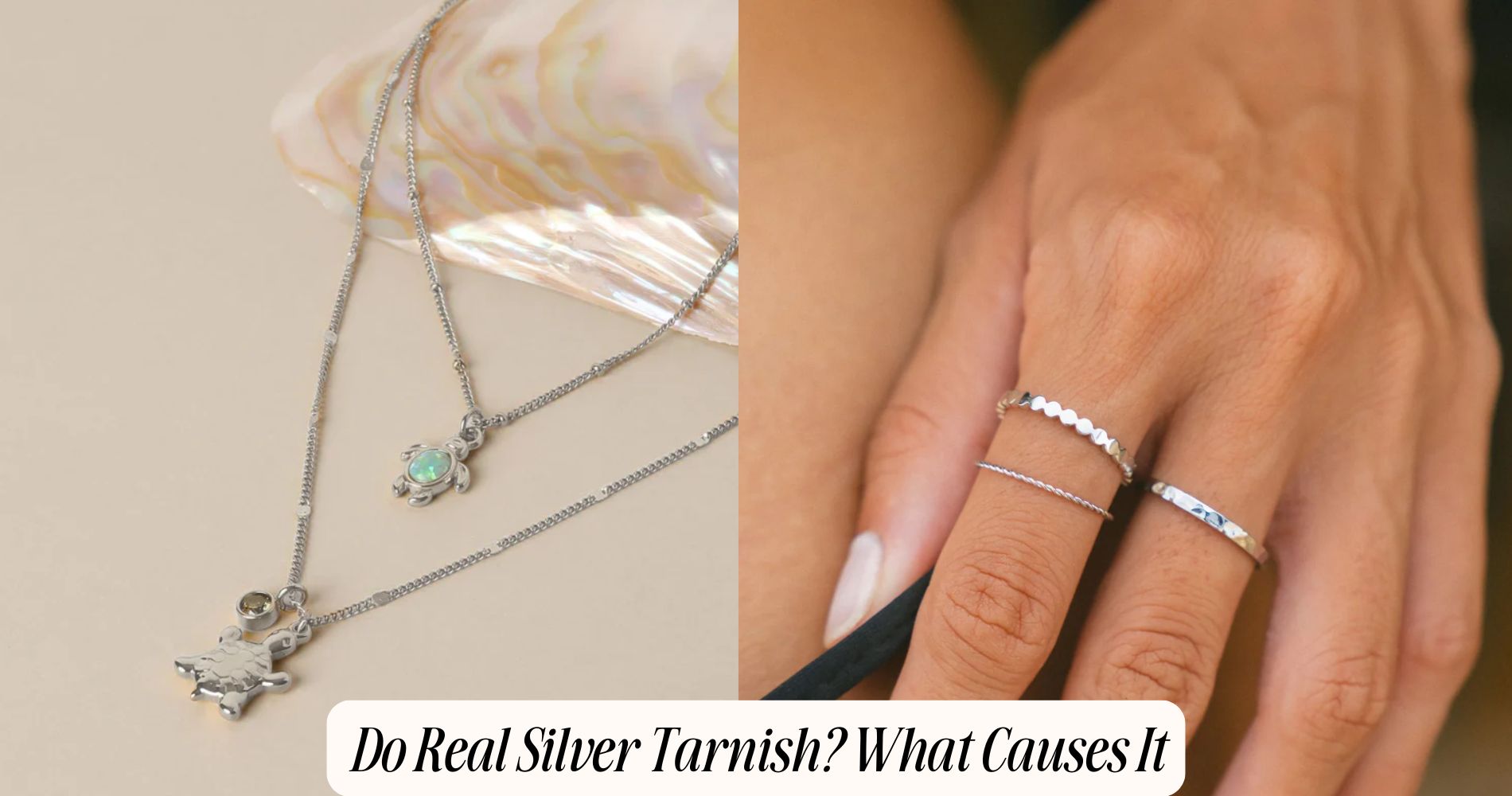
For gold alloys, use non-abrasive detergent, soft brush, and lint-free dry; avoid chlorine. Platinum tolerates ultrasonic cleaning but still needs inspection for prong deformation. Silver benefits from ammonia-free soaps and anti-tarnish storage; reserve polishing cloths for localized oxide removal.
Diamonds handle ultrasonic units; emeralds and opals don’t—use lukewarm water only. Pearls require pH-neutral wipes, never soaking.
Apply maintenance tips on a schedule: quarterly professional checks for settings and clasp tension; annual prong retipping where wear exceeds 10%; stone security testing with gentle probe.
Store pieces individually, humidity-controlled, silica desiccants added. Remove jewelry during impact, heat, or chemical exposure to minimize cumulative microdamage.

Cost Breakdown and Value Over Time
When you evaluate jewelry, decompose total cost into materials, labor, brand premium, certification, taxes/duties, and aftercare, then map each component to expected value retention.
Materials dominate value: high-purity gold and platinum track commodity prices; high-quality diamonds and colored stones track scarcity and market cycles. Labor adds craftsmanship utility but usually has low resale recovery. Brand premiums elevate retail price but show mixed retention; heritage houses may retain more during resale.
Certification (e.g., GIA) supports liquidity and narrows price spreads. Taxes/duties are sunk costs. Aftercare (warranty, serviceability) preserves condition, aiding resale.
For cost comparison, model acquisition price minus projected resale after five to ten years; stress-test with 10–20% volatility bands.
Prioritize transparent grading, metal purity stamps, and secondary-market benchmarks to gauge investment potential.
Matching Jewelry to Occasion and Lifestyle
Cost and retention models set guardrails, but fit-for-purpose selection drives actual utility. You should align materials, settings, and forms with specific occasion themes and lifestyle choices to maximize performance per wear.
For formal events, prioritize high-luster metals (platinum, 18k gold) and calibrated gemstones; they photograph well, resist tarnish, and signal quality. For daily use, choose durable alloys (14k gold, titanium) and secure settings (bezel, channel) to reduce loss risk.
If you’re active, low-profile silhouettes minimize snagging and maintenance. In client-facing roles, neutral palettes (diamond, sapphire) provide cross-outfit compatibility, raising utilization rates.
For travel, lab-grown stones and vermeil reduce downside risk. Validate comfort with gram weight and balance. Finally, match cleaning tolerance: if you won’t service pieces, select closed-back settings and robust stones (moissanite, sapphire).
Frequently Asked Questions
How Do Jewelry Warranties and Aftercare Programs Typically Work?
They typically define warranty coverage limits, duration, and exclusions, then outline aftercare services schedules. You register, document purchase, follow maintenance intervals, and retain appraisals. Claims require inspection, proof of defect, and adherence to care guidelines; misuse, wear, and unauthorized repairs often void benefits.
What Ethical Certifications Should I Look for in Jewelry Brands?
Seek certification labels: RJC Code of Practices, Fairmined/Fairtrade Gold, SCS-007 for lab-grown diamonds, Kimberley Process (with provenance audits), SA8000, ISO 14001, B-Corp. Verify ethical sourcing via chain-of-custody documentation, third-party audits, mine-of-origin traceability, and public impact reporting.
How Can I Insure Valuable Jewelry and Estimate Premiums?
Obtain a professional jewelry appraisal, then request scheduled personal property insurance coverage. Compare replacement-value vs. agreed-value policies, deductibles, and exclusions. Estimate premiums using appraised value: typically 1–2% annually. Photograph items, keep receipts, update appraisals biennially, and confirm worldwide coverage and mysterious disappearance protection.
Are There Tax Considerations When Buying or Reselling Jewelry?
Yes. You’ll owe sales tax at purchase in many jurisdictions. On resale, you may trigger capital gains, calculated on net proceeds minus basis and expenses. Keep invoices, appraisals, and holding periods; confirm collector versus investor treatment.
How Do Return, Resizing, and Customization Policies Vary by Retailer?
They vary widely: you’ll see strict return policies (14–30 days, condition checks, restocking fees), tiered resizing options (one free, limits by design), and customization rules (final sale, CAD approvals). Verify warranties, documentation requirements, timelines, and insured shipping terms.
Conclusion
You now know how to assess jewelry by metallurgy, construction, and finish. Prioritize solid gold or platinum for heirloom durability, demi-fine for cost-to-wear efficiency, and fashion pieces for trend-driven utility. Verify karat, micron plating thickness, and hallmark integrity; weigh soldered links, stone settings, and clasp quality. Match metal to skin chemistry and wear frequency. Maintain with non-abrasive cleaning and scheduled inspections. Allocate budget by cost-per-wear and resale retention. Choose accordingly, and you’ll maximize longevity, value, and performance.





Leave a comment
This site is protected by hCaptcha and the hCaptcha Privacy Policy and Terms of Service apply.