

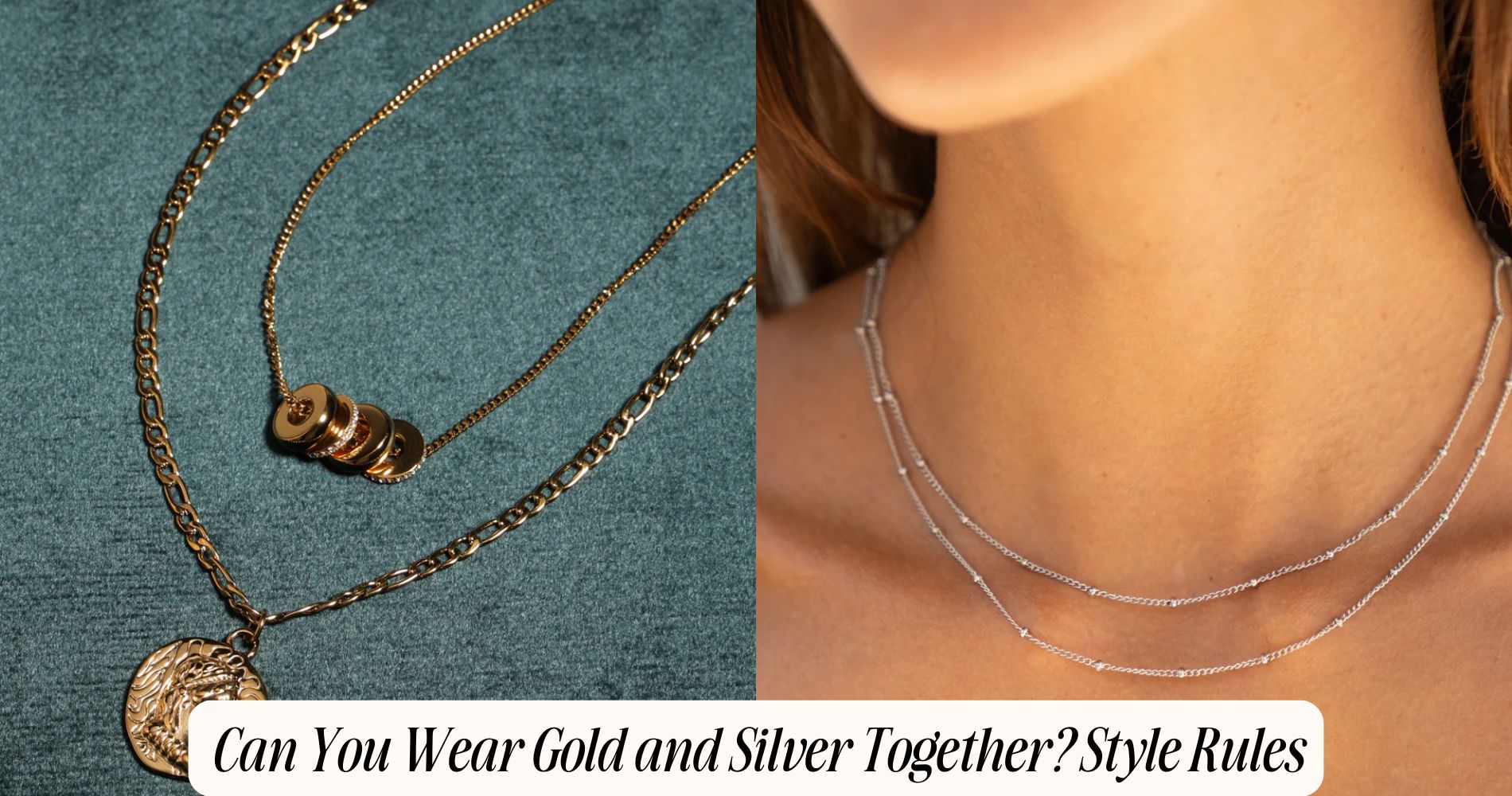
Can You Wear Gold and Silver Together? Style Rules
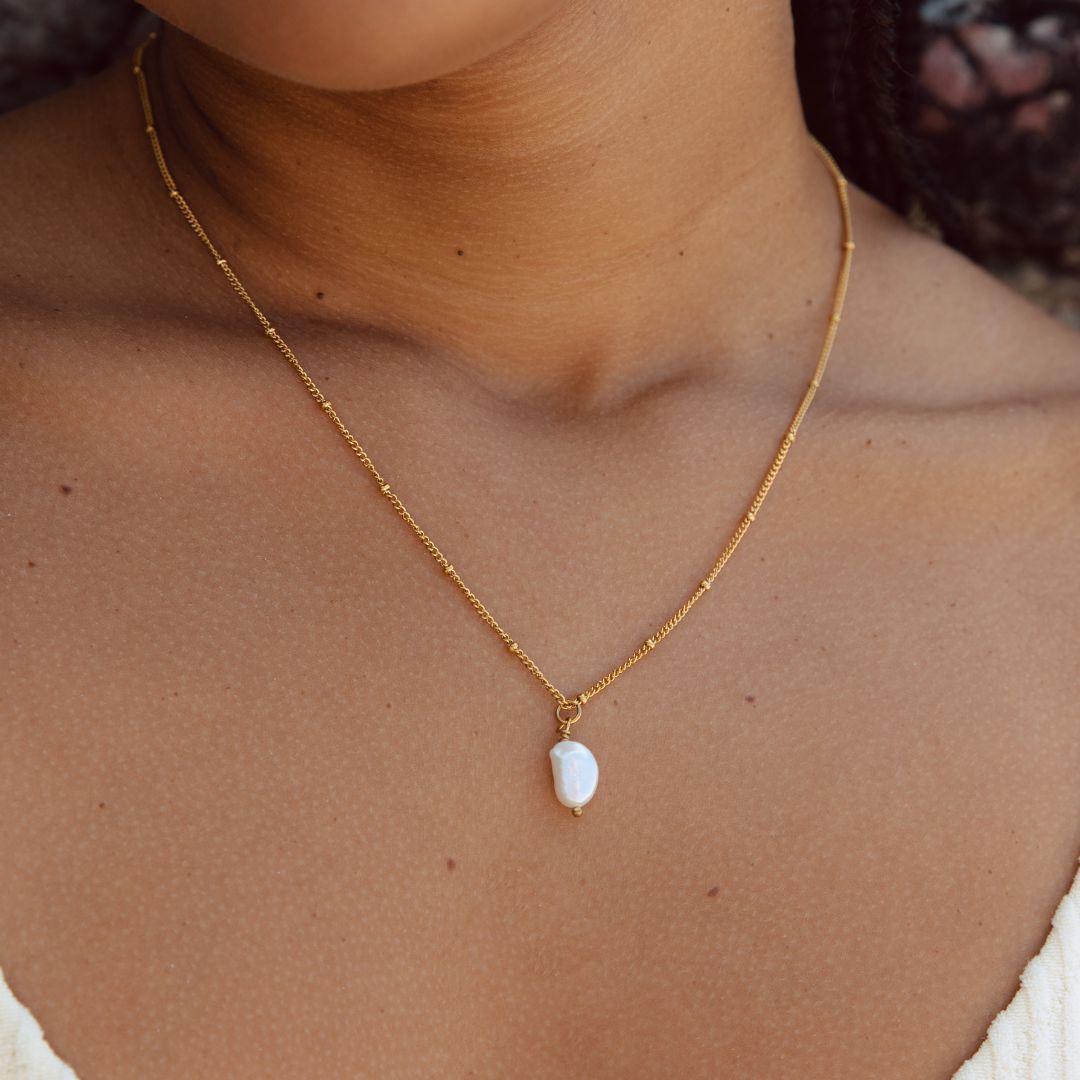
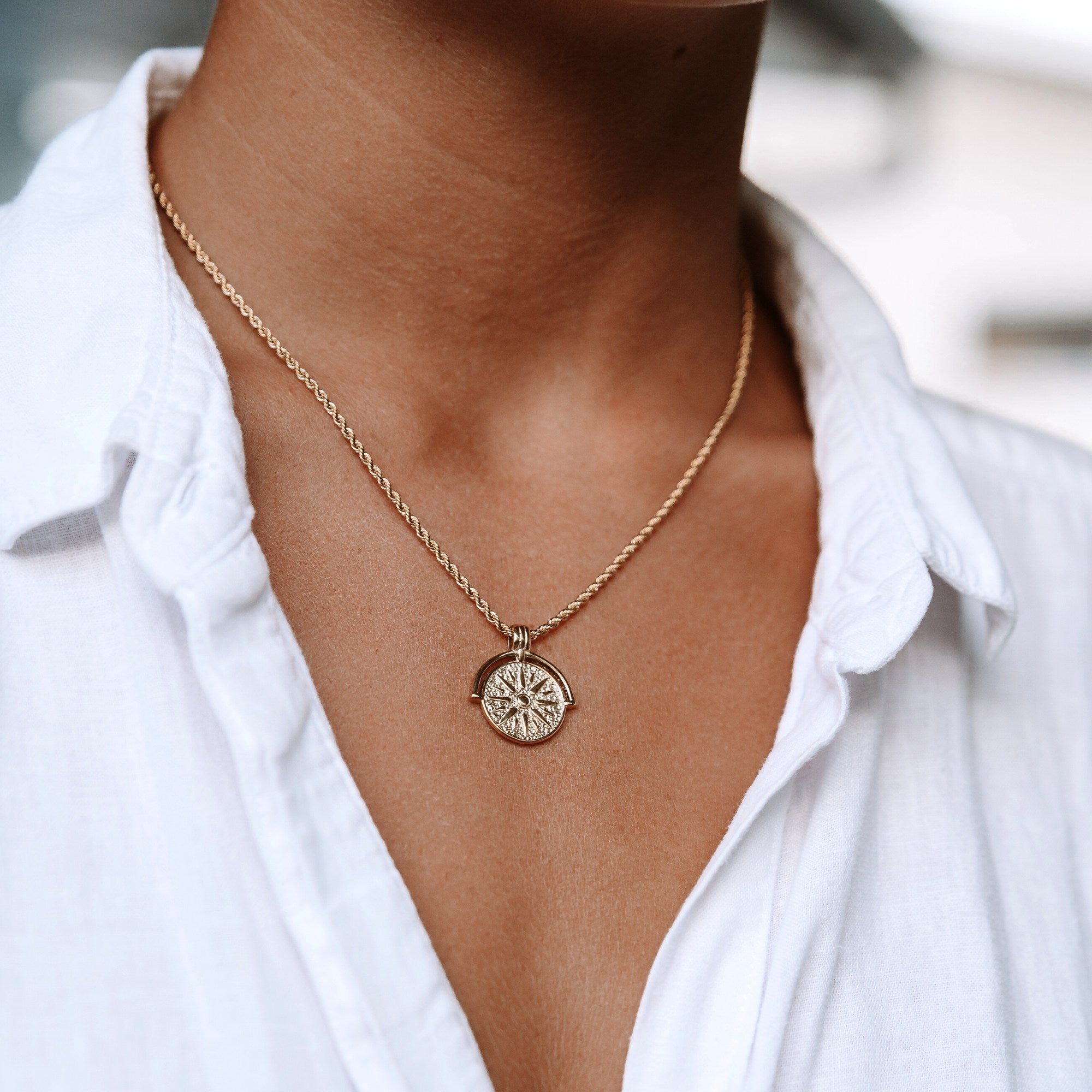
Can you wear gold and silver together? Yes—you can mix gold and silver and still look polished and intentional. Start by matching metals to your undertone (cool tones suit silver or white gold; warm tones glow with yellow or rose gold; neutral tones can wear both). Choose one focal piece, then echo its finish and scale throughout your look. Layer necklaces at varied lengths, keep pendants understated, and repeat metal accents from neck to wrist to hands. A clean, versatile anchor—like a Minimalist Gold Necklace—works as a perfect “bridge” between metals. Stick to either polished or matte finishes (not both), and you’re ready to master outfit pairings and occasion-specific formulas next.
Understand Your Undertones and Metal Finishes
Before mixing metals, clock your undertone and the finish you’re pairing. Look at your skin in daylight: cool tones pull pink or blue; warm tones lean golden or olive; neutral sits between.
Match metal undertones first—cool pairs cleanly with silver, rhodium, or white gold; warm syncs with yellow or rose gold. If you’re neutral, you can flex both.
Then control shine. Finish variations matter: mirror-polished pieces read bold; brushed or matte feels soft; hammered textures add dimension.
Keep one finish family dominant so the mix looks intentional. Try silver hoops in a satin finish with a brushed gold chain, or polished stacks against matte studs for contrast.
Use similar scale and line—sleek with sleek, chunky with chunky—to keep the blend cohesive.

Choose a Focal Piece to Anchor the Look
One standout piece keeps mixed metals from feeling scattered. Pick a focal piece that sets the tone—think a bold pendant, sculptural cuff, or chunky hoop.
Let that statement jewelry carry the eye; everything else should echo its finish, shape, or scale without competing.
Choose a metal that flatters your undertone, then introduce the second metal as an accent. If your focal piece is gold, add silver in sleek, minimal touches—thin chains, clean studs, or a slim ring.
Reverse it for a cool-forward vibe.
Look for built-in blends: a two-tone watch, a mixed-link chain, or a pendant with both metals instantly unifies the palette.
Keep textures aligned—matte with matte, polished with polished—so the mix reads intentional, modern, and camera-ready.
Balance Proportions Across Neck, Wrist, and Hands
With your focal piece set, spread the weight so your metals feel cohesive from collarbone to fingertips.
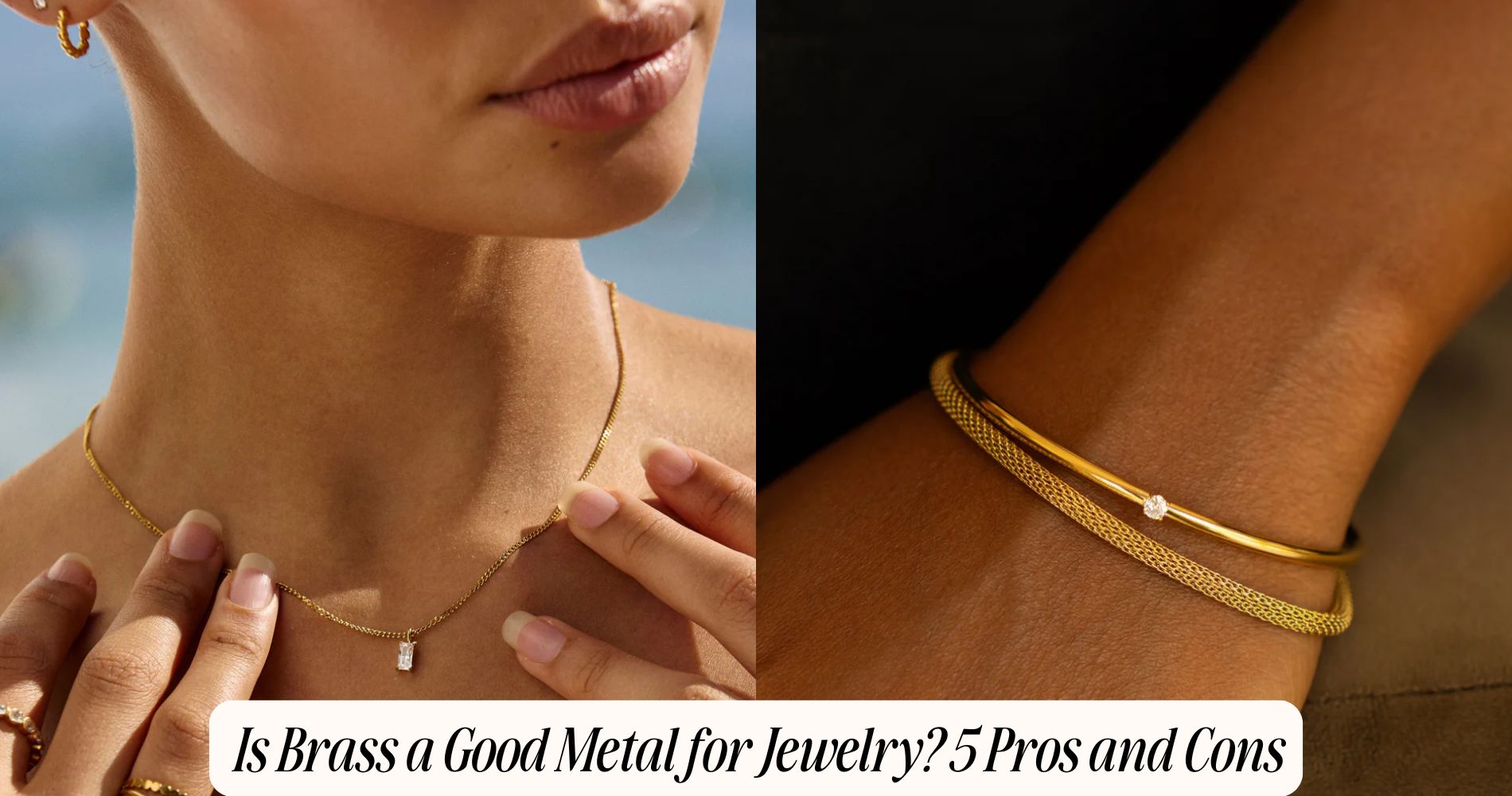
Think proportion balancing: echo the visual “volume” of your hero necklace with complementary presence on wrists and hands. If the neck is bold, keep rings sleek; if the neck is minimal, let a statement ring or bolder cuff step in. Use wrist layering to distribute shine—one gold bangle with a slim silver chain reads intentional, not crowded.
Match metal temperature near the face, then repeat accents below to create continuity. Pair a warm-gold pendant with a warm-gold ring, and bridge them with a mixed-metal bracelet.
Keep counts tidy: two touches at the neck, two at the wrist, one to two on hands. Step back, assess symmetry, adjust until balanced.

Layer Strategically With Varying Lengths and Textures
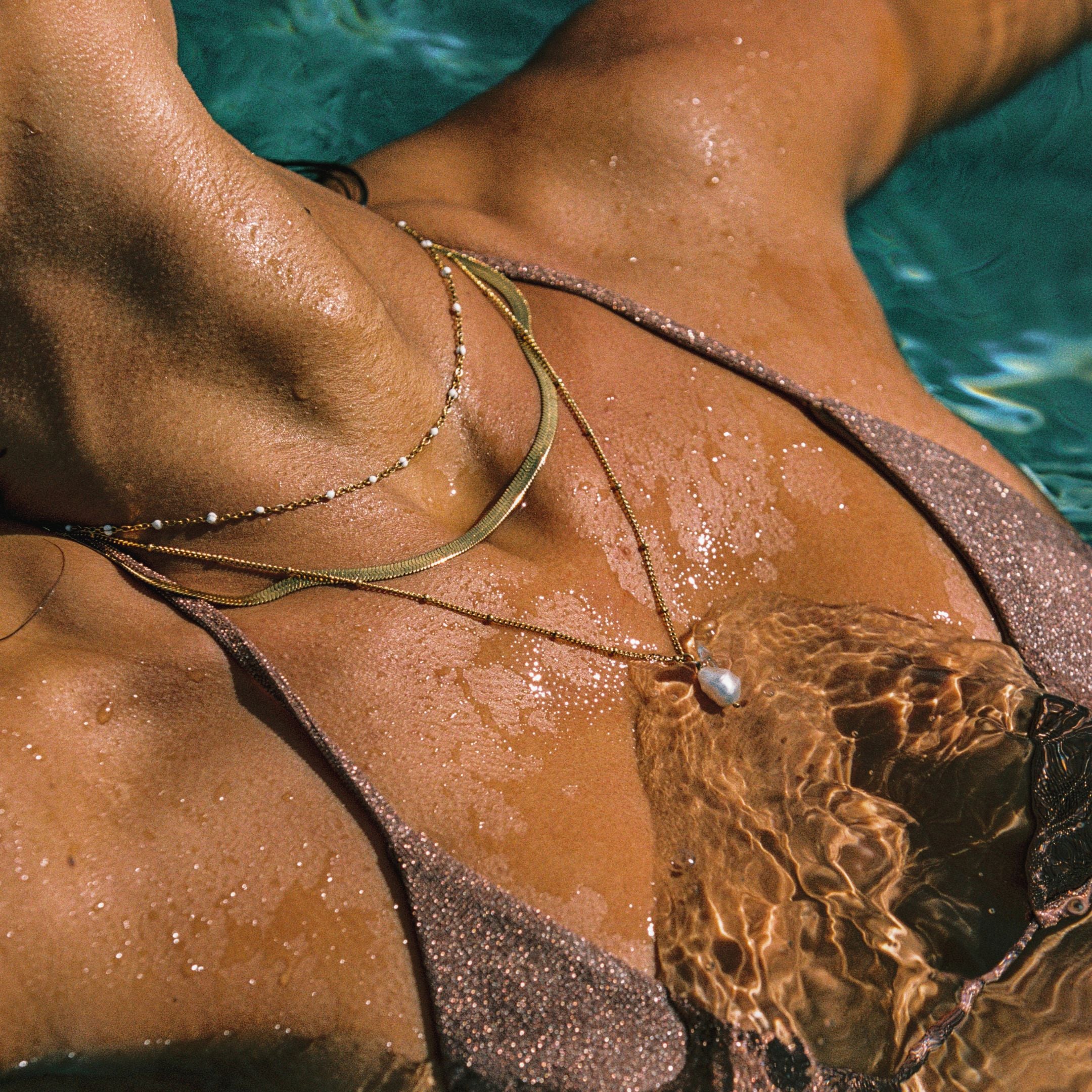
Although you’re mixing metals, keep layers intentional: stagger lengths and shift textures so each piece reads. Start with a short choker, add a mid-length pendant, then finish with a longer chain. This spacing creates clean negative space and lets highlights catch light separately.
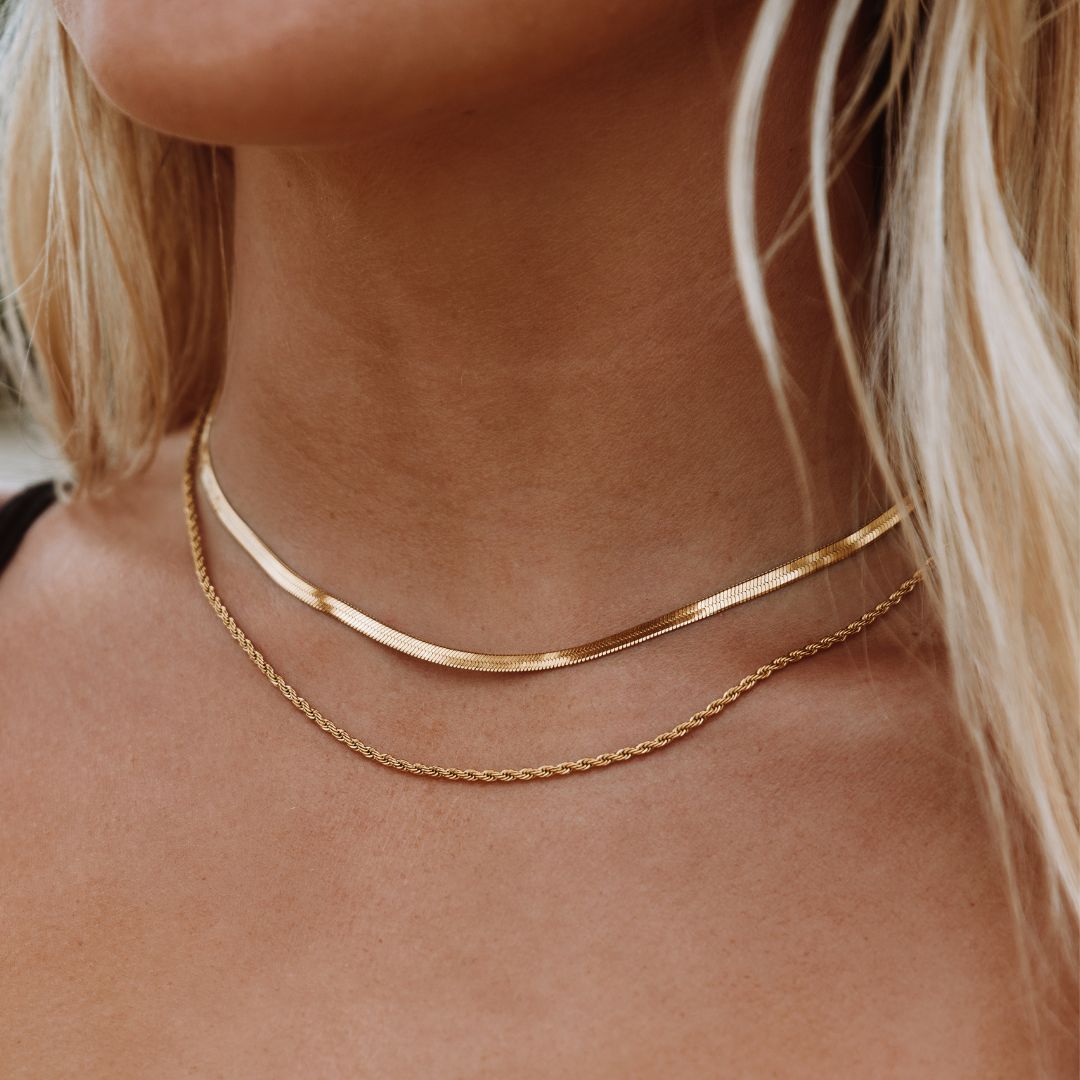
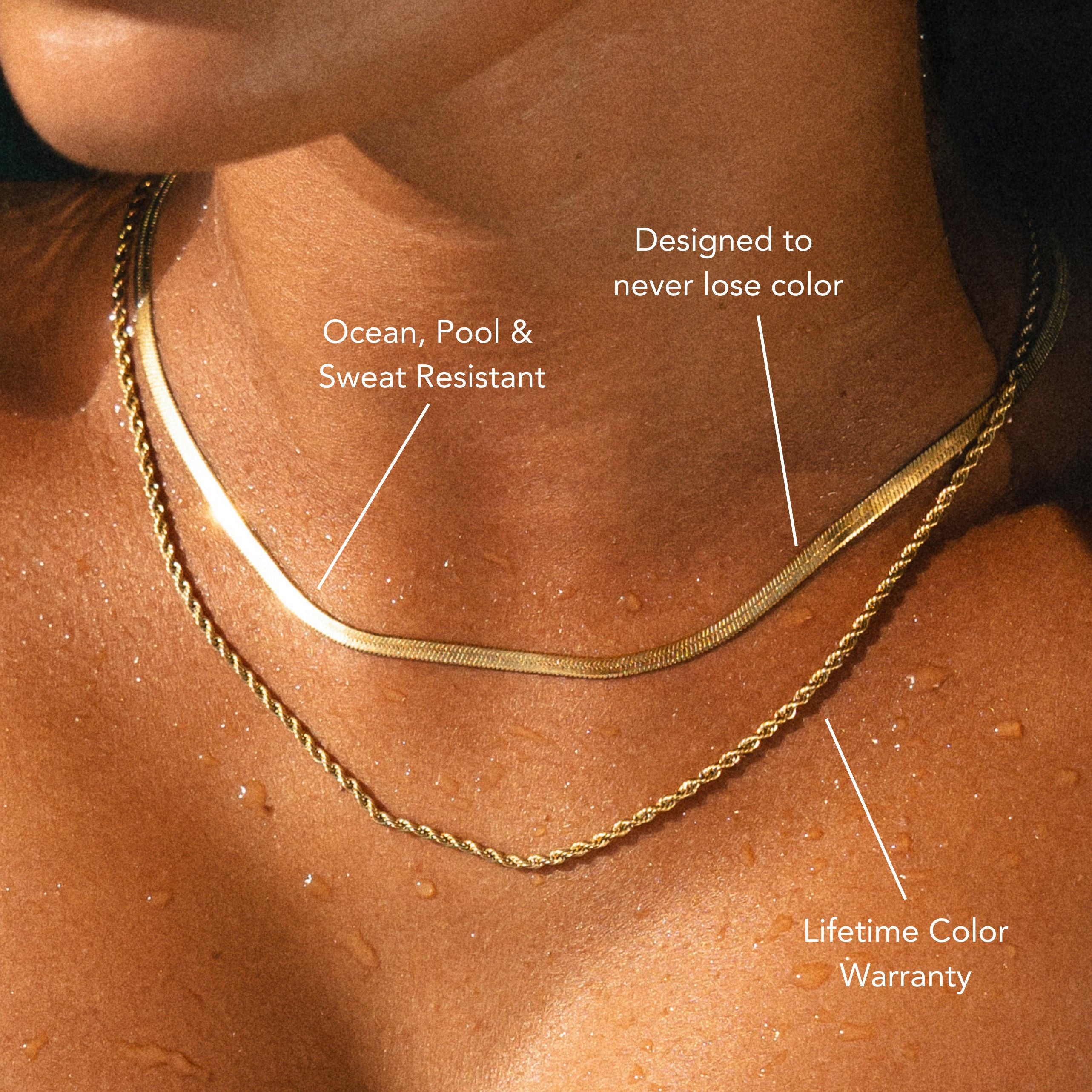
Use layering techniques that mix weights: slim snake with chunky curb, paperclip with fine cable. Aim for texture contrast—matte next to high polish, hammered beside sleek. Repeat metals across layers, but vary scale so nothing competes.
Stack bracelets the same way: tight cuff, flexible chain, then a delicate strand. For rings, anchor with one statement band and flank with slimmer ones. Keep pendants minimal—one focal charm per tier.
Step back, adjust intervals, and trim anything that tangles or shadows another piece.
Use Bridging Pieces to Tie Metals Together
Instead of letting gold and silver compete, link them with bridging pieces that feature both metals. Pick mixed metal chains, stacked rings with split tones, or earrings that merge yellow gold and cool silver in one clean line.
These bridging accessories create a visual handshake, so your layers feel intentional, not random.
Start with one hero: a two-tone pendant or bracelet. Echo it with slim hoops trimmed in both finishes. Add a watch with a bi-color bracelet to anchor the palette.
Keep shapes cohesive—sleek links with sleek links, bold with bold—so the eye reads unity.
Use hardware as glue: buckles, clasps, and charms that blend metals. Repeat the mixed metal touch two or three times. Stop there. Balanced repetition equals harmony.
Coordinate With Outfit Colors and Fabric Textures
Bridging pieces set the tone; now let your clothes seal the look. Anchor mixed metals with intentional color combinations: crisp white sharpens silver’s cool glow while letting gold pop; black adds drama to both. Earth tones warm gold and calm silver; jewel tones make both metals look richer. Keep patterns simple when your jewelry mix is bold.
Use fabric contrasts to guide shine. Pair chunky silver with sleek satin or silk; match delicate gold with airy chiffon. Ribbed knits and denim mellow bright metals; leather or patent intensifies them.
If your outfit’s matte, let jewelry bring the luster; if your clothes shimmer, choose cleaner, streamlined pieces. Echo metals in hardware—buttons, zippers, buckles—for cohesion. Aim for one visual story: balanced tones, aligned textures.

Style Tips for Everyday, Work, and Special Occasions
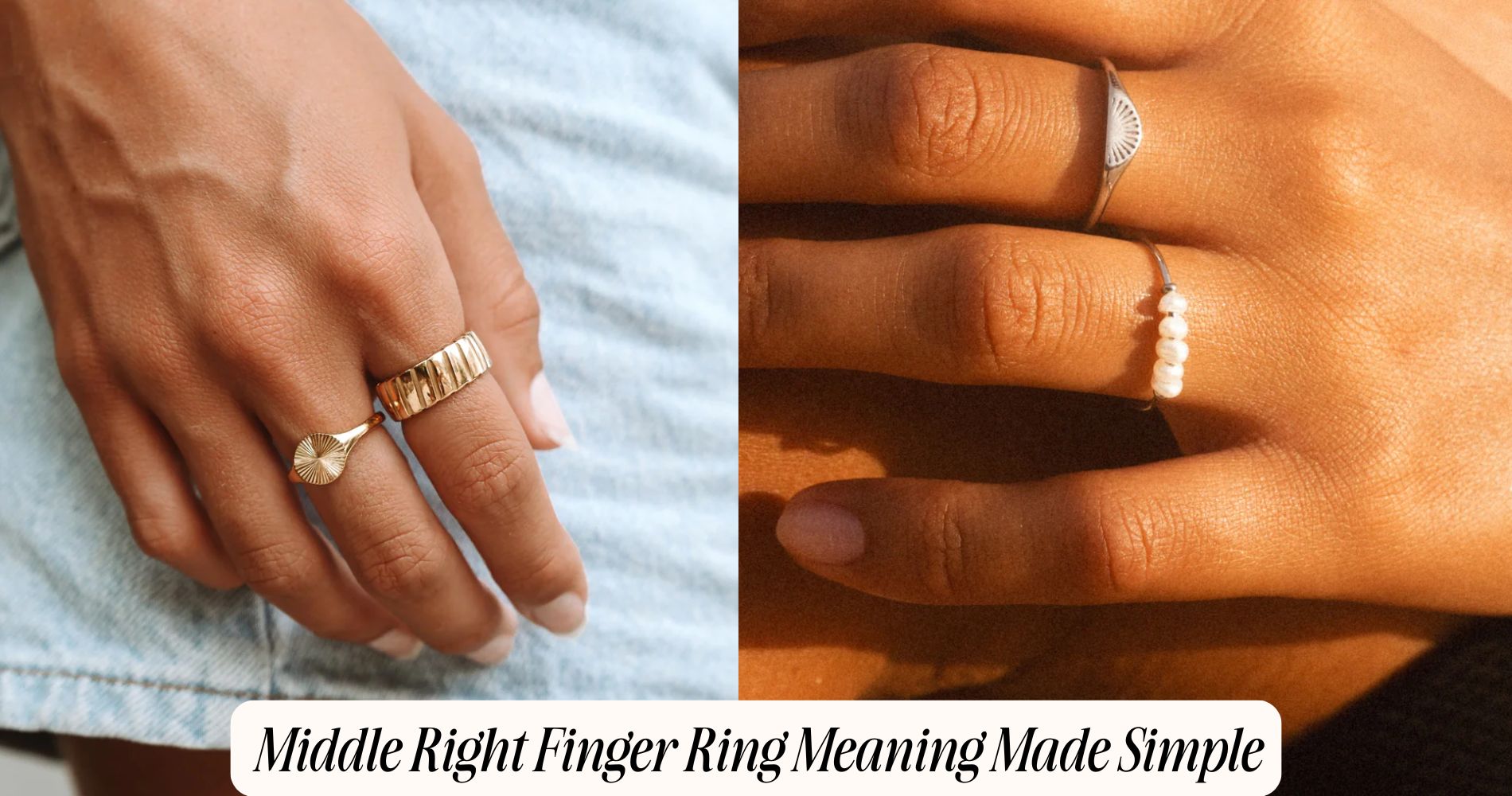
When you mix gold and silver, tailor the vibe to the moment. For everyday outfits, keep it effortless: stack thin silver rings with one gold signet, add small hoops, and a mixed-metal watch. Let one piece lead, the rest echo.
For work attire, clean lines win. Choose a silver chain, add a gold pendant, then repeat the warmer tone in a bracelet. Stick to two metals, three pieces max. Avoid clashing finishes; polished with polished looks sharp.
For special events, dial up contrast. Pair a sleek silver choker with elongated gold drop earrings, or layer a gold collar over a silver slip dress. Anchor with one statement.
Keep metals near your face to flatter skin tone. Honor your personal style—edit, balance, shine.
Frequently Asked Questions
Do Mixed Metals Affect Skin Sensitivity or Cause Allergic Reactions?
Yes—mixed metals can trigger metal allergies and skin irritation if nickel’s involved. You’ll minimize reactions by choosing hypoallergenic alloys, rhodium-plated pieces, and snug fits. Spot redness? Switch metals, rotate wear, and keep jewelry clean for calm, chic skin.
How Should I Care for Mixed-Metal Jewelry to Prevent Tarnish?
Keep mixed-metal pieces dry, wipe after wear, and rotate. Use gentle cleaning techniques: mild soap, soft brush, microfiber polish. Follow storage tips: separate pouches, anti-tarnish strips, silica packets. Avoid lotions, chlorine, sweat; last on, first off. Snap condition pics.
Are There Cultural or Etiquette Rules About Mixing Gold and Silver?
Yes—rules vary by region and era. You’ll honor cultural significance by checking local traditions, religious norms, and event formality. Follow etiquette guidelines: match metals to dress code, keep proportions balanced, avoid clashing heirlooms, and mirror hosts’ styling.
Can I Mix Gold- and Silver-Toned Watches With Jewelry?
Yes—you can mix gold- and silver-toned watches with jewelry. Anchor with a two-tone piece, then build balanced watch layering. Repeat metals near the face. Keep textures sleek, proportions consistent. Prioritize jewelry coordination: matching finishes, similar weights, clean lines.
What Budget-Friendly Ways Mimic Mixed Metals Without Multiple Pieces?
Layer with two-tone chains or watch bands; they read mixed-metal instantly. Try cost effective alternatives: metallic nail wraps, belt buckles, sneaker eyelets. Explore DIY jewelry options: paint pendant edges, wire-wrap beads with contrasting jump rings, add bi-color charms.
Conclusion
Yes, you can mix gold and silver—and make it look intentional. Trust your undertones, pick one hero piece, then echo it with balanced layers. Play with lengths, textures, and shapes; add a two-tone “bridge” to connect everything. Match metals to outfit colors and fabric vibes—sleek with satin, chunky with knits, minimal with tailoring. For everyday, keep it effortless; for work, polished; for nights out, bolder. Edit, step back, and snap a quick mirror check—cohesion wins.





Leave a comment
This site is protected by hCaptcha and the hCaptcha Privacy Policy and Terms of Service apply.