

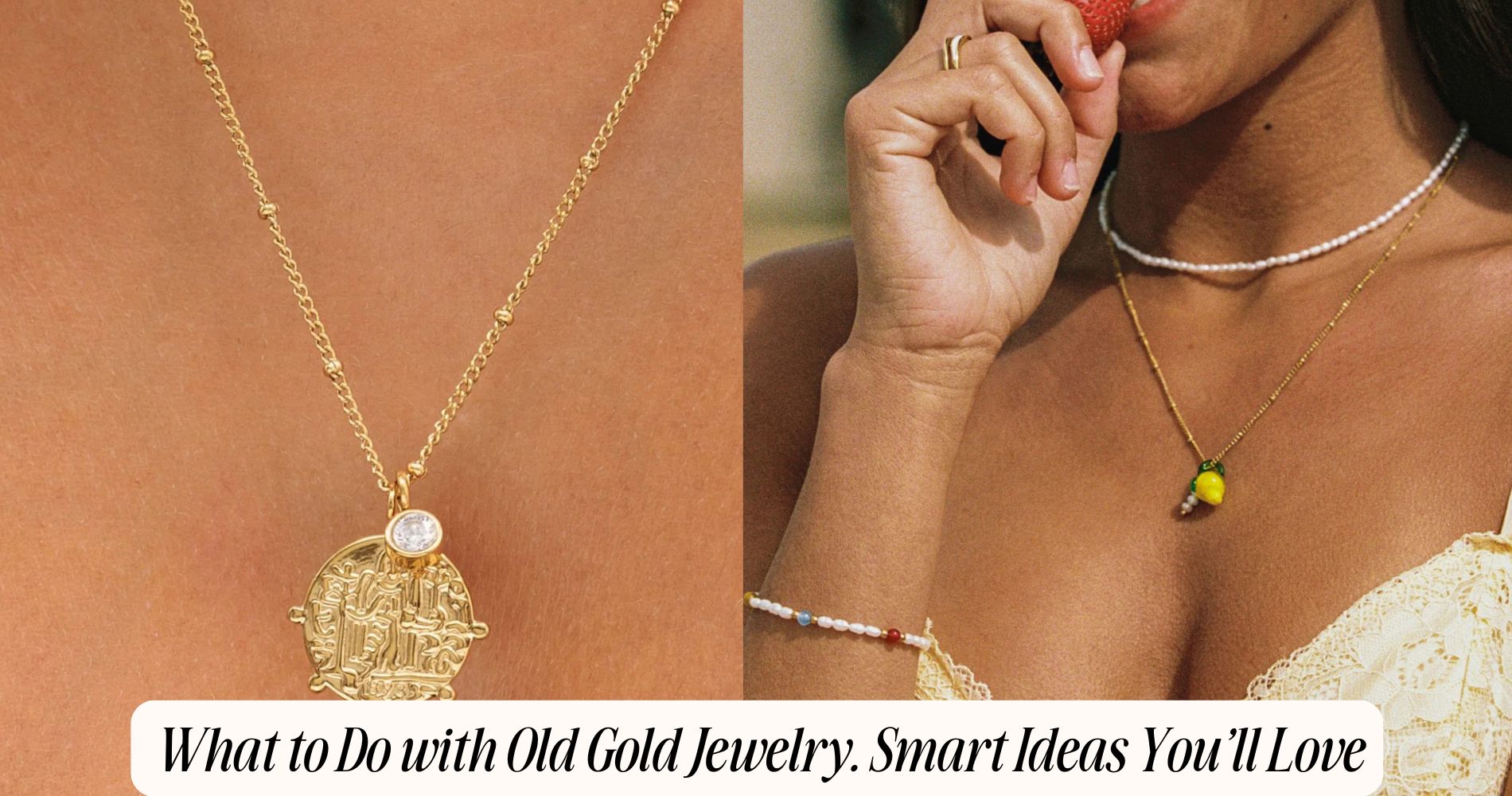
What to Do With Old Gold Jewelry. Smart Ideas You’Ll Love
If you’re wondering what to do with old gold jewelry, start by treating each piece like a real asset: check the karat, weigh it in grams, and compare the value to the current spot price to understand its true melt worth. From there, you can choose to polish and repair your items, redesign heirlooms, recast them into custom pieces, turn singles into creative accessories, or even sell them for up to 85–95% of their melt value to reputable buyers. You can also trade your gold for bullion, gift meaningful pieces, or insure select items. And for fresh styling ideas, explore our Chunky Gold Necklace collection to see how classic gold can be transformed into bold, modern everyday looks.
Assessing the Value of Your Gold Before You Decide
Before you decide whether to sell, melt, redesign, or hold onto your gold jewelry, you need a clear sense of its real market value—not just its sentimental or retail price.
You’ll start with a precise gold appraisal: verify karat stamps (10K, 14K, 18K, 22K, 24K), test purity if marks are doubtful, and separate pieces by fineness.
Weigh each group in grams, then convert to troy ounces.
Next, apply the current spot price, discounting for the buyer’s margin and refining costs.
Check live market trends: is gold in a short‑term spike, long‑term uptrend, or correcting?

Compare scrap value to resale and estate value, especially for signed, antique, or designer pieces where craftsmanship and brand can exceed metal content.
Refreshing Old Favorites With Simple Repairs and Polishing
Once you know what your gold is actually worth, you can decide which pieces justify a low-cost refresh instead of a sale or full redesign.
Start by inspecting clasps, jump rings, and prongs under magnification; weak spots here are inexpensive to fix but critical to long-term wearability.
Ask a reputable jeweler to quote specific repair techniques: laser welding for porous 18K links, retipping worn prongs, tightening channel settings, or resizing shanks without thinning them.
Confirm they’ll match solder and filler alloys to your karat stamp.
Next, evaluate polishing methods.
Light surface wear responds to rouge-based buffing; deeper scratches may need progressive abrasive wheels, followed by ultrasonic cleaning.
Insist on minimal metal removal, preserved hallmarks, and documented before-and-after weights to protect resale value.
Transforming Heirlooms Into Modern, Wearable Designs
Although some inherited pieces are priceless emotionally, you don’t maximize their value until they’re wearable in your current life and marketable in the future.
Start by having a qualified appraiser separate intrinsic gold value from design value. Ask for karat verification, weight, gemstone grading, and condition notes.
With those numbers, you can evaluate heirloom redesigns that preserve the most valuable elements.
Maybe you keep a high‑quality center stone but update the setting to suit modern aesthetics—thinner shanks, lower profiles, bezel or halo frames. You might convert long brooches into pendants or station necklaces without melting components.
Insist on CAD renderings and itemized quotes so you can compare design options, resale potential, and fabrication costs before committing.
Repurposing Gold Into New Custom Jewelry Pieces
Repurposing gold into custom jewelry lets you capture full material value while tailoring design to your exact taste and budget.
You start by weighing and testing each piece to confirm karat, then calculate melt value using current spot prices minus the refiner’s fee. This tells you how much “credit” you can redeploy into custom designs.

A skilled jeweler will separate alloys by karat, melt and cast them into fresh stock, then CAD-model new settings for precise stone fit and metal efficiency.
You can convert outdated chains or bulky rings into streamlined bands, minimalist pendants, or structural statement pieces. By reusing your own metal, you reduce fabrication costs and lock in known quality, turning sentimental scrap into unique creations with measurable, transparent value.
Turning Broken or Single Earrings Into Creative Accessories
Instead of discarding broken or single gold earrings, you can treat them as modular components and metal assets that still carry full melt value.
Start by confirming karat stamps (10K, 14K, 18K) and weighing each piece separately from stones or findings. This helps you compare their creative value versus scrap value.
Convert single studs into minimalist pendant drops or earring charms by adding a jump ring or bail.
Use orphan hoops as bracelet embellishments on a gold chain or leather strap, maximizing surface visibility per gram.
Transform decorative tops into zipper pulls, key fob accents, or necklace extenders.
Always keep posts, backs, and broken hooks; a jeweler can refit them as connectors, saving you from buying new findings.
Selling Gold Jewelry to Reputable Buyers for Top Dollar
Once you’ve pulled out the pieces worth redesigning, the rest of your gold becomes a pure value play: maximizing what buyers pay per gram relative to spot price.
Start by separating pieces by karat; 10k, 14k, 18k, and 22k carry different gold content and melt values. Verify hallmarks, then have everything tested by reputable appraisers using XRF or acid testing.
Track the gold market for a few days so you know spot price per ounce and can convert it to price per gram.
Reputable buyers typically pay a fixed percentage of melt value—aim high, around 85–95% for plain scrap. Get written quotes from multiple dealers, online gold buyers, and pawn shops, and compare net proceeds after fees and shipping.
Using Old Gold for Investment or Bullion Trade-In
Although most people think of old gold jewelry as either sentimental or scrap, you can also convert it into a more efficient investment position by trading it into bullion.
Start by verifying purity (karat), weight, and current spot price. Then compare the melt value of your pieces with buyback quotes from dealers that specialize in gold bullion.
You’re aiming to swap high-markup, illiquid jewelry for low-premium bullion bars or widely recognized coins. Focus on products closest to spot, like 1 oz bars, rather than collectible coins with numismatic markups.

Ask about assay, storage options, and dealer spreads on both the sale and the purchase. By consolidating scattered pieces into standardized bullion, you gain cleaner exposure to gold’s price and more flexible investment opportunities.
Gifting, Donating, or Passing Gold Pieces Down Thoughtfully
When you decide not to sell your old gold, treating it as a deliberate gift, donation, or legacy transfer lets you convert metal into long-term value for someone else.
Start by documenting karat, weight, and current melt value, then note branded provenance or antique premiums. That way, recipients understand both monetary and sentimental value.
For family gifts, match pieces to each person’s style and role in your family traditions—wedding bands, milestone pendants, or a heirloom watch for a first grandchild.
Put your intent in writing to prevent disputes.
For charitable donations, confirm the organization accepts physical gold, ask if they liquidate or hold, and request a written valuation.
Consult a tax professional about appraisal thresholds and deductible amounts.
Storing and Insuring Kept Pieces So They Stay Protected
Security becomes part of your gold’s value strategy the moment you decide to keep certain pieces rather than sell them. Treat each item as a micro‑asset.
Use purpose‑built jewelry storage: lined trays for chains, individual pouches for high‑karat or soft pieces, and anti‑tarnish boxes for mixed‑metal items. Avoid humid bathrooms; instead, choose a concealed, bolted home safe with a fire rating and UL burglary grade, or a bank safe‑deposit box for the highest‑value items.
Document everything: appraisals, photos, purchase receipts, and serial numbers on clasps or certificates.
Then compare insurance options. You can schedule pieces on a homeowners rider or use a standalone jewelry policy with agreed‑value coverage, worldwide theft/mysterious disappearance protection, and low deductibles, updating appraisals as gold prices move.
Frequently Asked Questions
Can Old Gold Jewelry Be Used in DIY Home Décor or Art Projects?
Yes, you can repurpose old gold jewelry into jewelry art and upscale décor. You’ll extract usable components, separate karats, and integrate gold accents into frames, mirrors, or resin casts, preserving melt value while adding bespoke, marketable design.
Are There Tax Implications When Selling or Gifting Old Gold Jewelry?
Yes, you may face tax obligations. When you sell, you’ll owe capital gains on profits over your cost basis. When gifting, monitor fair market value against annual exclusion limits to avoid triggering federal gift taxes or filing requirements.
What Are Eco-Friendly Ways to Recycle or Dispose of Unwanted Gold-Plated Items?
You prioritize eco friendly disposal by using certified e‑waste recyclers, refining services, or jeweler take‑back programs. They separate base metals, recover micro‑layers of gold, and monetize scrap via industrial gold recycling options, maximizing residual value while minimizing environmental impact.
How Do Cultural or Religious Traditions Influence What to Do With Inherited Gold?
You first quantify karat, weight, and hallmark, then align actions with cultural significance and religious beliefs: you might retain ritual pieces, convert them into compliant investment-grade bullion, or sell selectively, reinvesting proceeds in Sharia- or tradition-consistent assets.
Can I Organize a Group Gold-Selling Event or Party Safely and Fairly?
You can, but you must control gold selling logistics: calibrated scale, documented karat testing, spot-price screen, written splits, and receipts. For party safety, vet buyers, avoid cash stockpiles, verify IDs, and meet in secure, monitored venues.
Conclusion
When you evaluate old gold with a clear eye on karat, weight, and resale spreads, you turn “clutter” into strategic capital. You can refurbish, redesign, or repurpose pieces for maximum wear, or liquidate selectively through vetted buyers and bullion trades. Balance sentimental value with spot-price realities, then gift, donate, or retain and insure what matters most. By treating every piece as an asset, you optimize both emotional and financial return.





コメントを書く
このサイトはhCaptchaによって保護されており、hCaptchaプライバシーポリシーおよび利用規約が適用されます。