

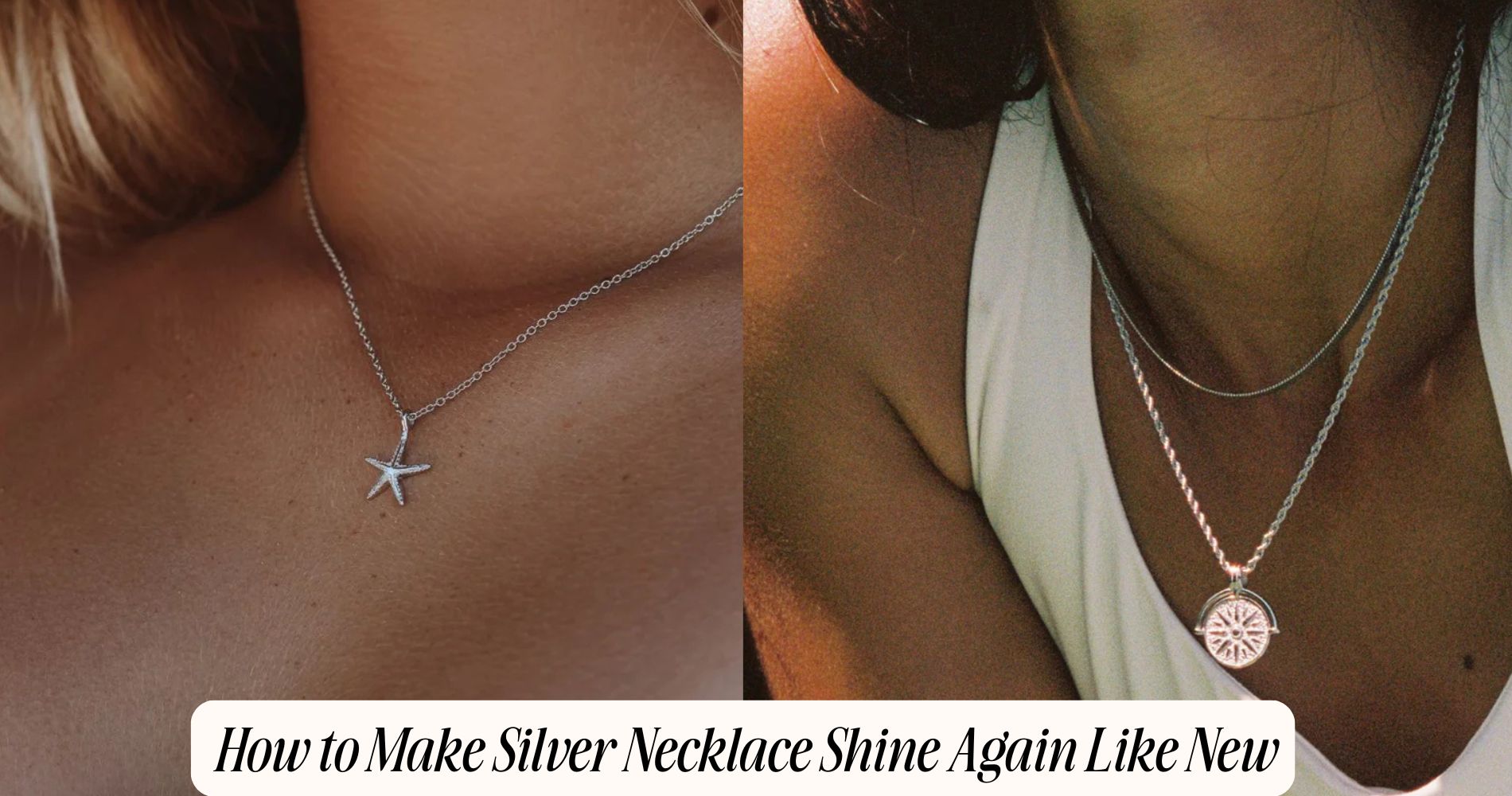
How to Make Silver Necklace Shine Again Like New
If you’re wondering how to make silver necklace shine again, start by confirming it’s genuine silver (look for “925” or “Sterling” and check it’s not magnetic). For light tarnish, wash it in lukewarm distilled water with a drop of mild, dye‑free dish soap, then dry and buff with a soft microfiber cloth. For heavier tarnish, a controlled baking soda–foil bath can help, followed by gentle polishing. With proper cleaning and storage, your silver can regain a like‑new shine. Discover our Everyday Silver Necklace collection for versatile, stylish pieces that stay radiant with care.
Understanding Why Silver Necklaces Tarnish
Although silver looks solid and permanent, your necklace tarnishes because its surface reacts with substances in the air and on your skin.
Tarnish isn’t dirt; it’s a new compound forming on top of the metal through chemical reactions, mainly between silver and sulfur-containing gases.
With normal air exposure, silver slowly converts to silver sulfide, the dark layer you see.
Humidity, sweat, lotions, cosmetics, and household cleaners accelerate this process by adding moisture, salts, and reactive chemicals.
If you swim with your necklace or store it in a bathroom, you increase both moisture and contaminant contact.
You don’t need to fear tarnish, but you should understand it’s a predictable surface transformation, not structural damage, and it’s safest managed with controlled cleaning methods.
How to Identify Real Silver Before Cleaning
Before you reach for any cleaner, you should confirm your necklace is actually silver, since the wrong method can damage plated or imitation metals.
Start by checking stamping marks on the clasp, tag, or underside of pendants. Genuine pieces usually read “925,” “Sterling,” “800,” or “900,” indicating the percentage of silver alloys used.

Next, perform a magnet test. Hold a strong magnet near the necklace—real silver and common silver alloys aren’t magnetic, so strong attraction suggests another metal.
Then, inspect color and wear patterns under good light. Silver shows uniform grayish shine; flaking that reveals yellow or copper tones often indicates plating.
If you’re unsure, consult a jeweler for a professional acid or XRF test.
Essential Tools and Supplies for Safe Silver Cleaning
Once you’ve confirmed your necklace is real silver, set up the right tools so you can clean it without scratching or stripping it. For safe silver cleaning, you’ll need soft, non‑abrasive supplies. Choose a high‑quality microfiber or 100% cotton cloth; avoid paper towels and rough fabrics.
Use a mild, dye‑free dish soap and distilled or filtered water to prevent mineral spots.
Select safe materials only: a soft‑bristled toothbrush for intricate links, cotton swabs for tight crevices, and a plastic or glass bowl (no metal). Keep a lint‑free drying cloth reserved just for jewelry.
If you use a commercial silver polish, verify it’s labeled for sterling, ammonia‑free, and suitable for jewelry with gemstones. Always read and follow the product’s safety instructions.
Gentle Everyday Cleaning Methods for Light Tarnish
For light tarnish, start with the mildest cleaning method to protect the silver’s surface and any stones.
Begin with gentle cleaning using a soft, lint‑free microfiber cloth. Wipe along the necklace’s length, following the grain of the metal rather than scrubbing in circles, which can create micro‑scratches.
If residue remains, prepare a solution of lukewarm water and a few drops of mild, dye‑free dish soap. Submerge the necklace briefly, then clean with your fingers or a very soft brush, keeping bristles away from delicate stones or glued settings.
Rinse thoroughly under lukewarm running water.
Dry the necklace completely with a clean cloth, then air‑dry on a non‑abrasive surface.
As daily maintenance, store it in an anti‑tarnish pouch or cloth.
Deep-Clean Techniques for Heavily Tarnished Silver
Severe tarnish calls for stronger methods that still respect the integrity of the silver and any settings.
For deep cleaning, first inspect your necklace for loose stones, weak links, or glued components; set aside delicate or porous gemstones.

Line a glass dish with non-perforated aluminum foil, shiny side up. Add hot (not boiling) water, 1 tablespoon baking soda, and 1 tablespoon non-iodized salt per cup of water, stirring to dissolve.
Place the necklace so it contacts the foil; sulfur transfers from silver to the foil, aiding tarnish removal. Soak 5–10 minutes, monitoring frequently.
Rinse thoroughly under lukewarm water, then blot dry with a lint-free cloth. For remaining dark crevices, use a soft toothbrush and diluted dish soap, working gently.
Polishing Your Necklace to Restore Mirror-Like Shine
A proper polish transforms clean silver from dull to mirror-bright while minimizing wear.
Begin by confirming your necklace is fully dry and free of grit; any residue can scratch the surface during shine restoration. Place the piece on a soft, stable cloth under bright, indirect light so you can monitor progress.
Use a high‑quality silver polishing cloth or a dedicated cream. Apply a pea‑sized amount, then work in small sections using controlled, linear strokes rather than random rubbing.
Focus on flat areas first, then move carefully into crevices with a soft cotton swab. Check frequently to avoid over-polishing details or removing intentional oxidation.
When you’re satisfied, buff with a clean section of cloth until you see a clear reflection.
What to Avoid: Common Mistakes That Damage Silver
Many silver necklaces lose decades of life to a few avoidable mistakes. You damage silver when you use harsh cleaning agents like bleach, ammonia, or abrasive powders; they strip metal, pit the surface, and permanently dull reflective polish.
Avoid toothpaste, baking-soda pastes, and rough cloths that create micro-scratches, especially on plated or delicate pieces.
Don’t use ultrasonic cleaners on pieces with stones, glued components, or thin chains; vibration can loosen settings and cause fractures.
Never expose silver to chlorinated pools, hot tubs, or sulfur-heavy products such as rubber bands and some papers.
Improper storage solutions also cause harm. Avoid open-air trays, humid bathrooms, and direct sunlight, all of which accelerate tarnish and encourage corrosion and structural fatigue.
Protecting Your Silver Necklace From Future Tarnish
Although you can’t stop silver from reacting with air and sulfur completely, you can slow tarnish dramatically by controlling exposure and environment.
For effective tarnish prevention, wipe your necklace after each wear with a clean, non-abrasive microfiber or jewelry polishing cloth to remove skin oils, sweat, and cosmetics. Let it dry completely before storing.
Use airtight containers or zip-top bags as primary storage tips. Add anti-tarnish strips or silica gel packets to absorb sulfur and moisture. Store each necklace separately in a soft pouch to prevent scratching and minimize friction.
Keep silver away from bathrooms, pools, hot tubs, and direct sunlight. Apply lotions, sunscreen, hairspray, and perfume first, then put your necklace on last to reduce chemical exposure.
When to Seek Professional Cleaning or Repairs
Even with careful storage and regular at-home polishing, some silver necklaces need expert attention to stay safe and structurally sound.
You should know when to seek professional help to prevent breakage or gemstone loss. Inspect your necklace under bright light and look for specific signs of damage: thinning or stretched links, bent or misshapen components, a clasp that doesn’t close securely, or jump rings that no longer align.
Seek a jeweler if you notice deep scratches, pitting, or cracks, especially near soldered joints.

Don’t attempt to polish heavily oxidized areas around gemstones or intricate settings; you could loosen stones or remove intentional patina.
If your necklace has kinks in fine chains or warped sections, a professional must realign and reinforce them safely.
Frequently Asked Questions
Can I Safely Clean Silver Necklaces With Gemstones or Pearls Attached?
You can, but you must prioritize gemstone safety and pearl protection. Avoid dips, abrasives, and ultrasonic cleaners. Instead, gently wipe silver with a damp soft cloth, keeping stones dry, then pat everything with a clean microfiber.
How Often Should I Professionally Appraise or Value My Silver Necklace?
You should schedule professional appraisals every 3–5 years; increase frequency after market shifts, damage, or modifications. This frequency recommendations guideline preserves documentation accuracy and highlights appraisal importance for insurance coverage, resale value, estate planning, and loss verification.
Are There Eco-Friendly or Zero-Waste Options for Silver Necklace Cleaning?
You can use eco-friendly options: perform natural cleaning with baking soda, mild soap, and soft cloths. Choose sustainable materials like reusable glass bowls, bamboo brushes, and biodegradable cloths. Avoid harsh chemicals, aluminum foils, and single-use wipes.
Does Cleaning or Polishing Affect the Resale or Antique Value of Silver Necklaces?
Yes, aggressive cleaning or polishing can reduce resale and antique value. You protect value by choosing reversible, minimal cleaning methods, avoiding abrasives, and consulting professionals trained in antique preservation, especially for patina, hallmarks, and delicate settings.
What Is the Best Way to Travel With Silver Necklaces to Prevent Damage?
You prevent damage by using rigid jewelry cases, individual soft pouches, and anti-tarnish strips; pack necklaces flat, separated, and clasped. Apply these travel tips and storage solutions in your carry-on, avoiding tangling, abrasion, moisture, and temperature extremes.
Conclusion
Now you know how silver tarnish forms, how to confirm your necklace is real silver, and how to clean it safely without scratching or over-polishing. Use gentle methods first, escalate only when necessary, and avoid harsh chemicals or abrasive tools. Store your necklace in low-humidity, tarnish-resistant conditions to slow future dulling. When in doubt—especially with stones, intricate chains, or sentimental pieces—don’t risk damage; take it to a qualified professional.





.%20For%20light%20tarnish,%20wash%20it%20in%20lukewa...)
コメントを書く
このサイトはhCaptchaによって保護されており、hCaptchaプライバシーポリシーおよび利用規約が適用されます。