


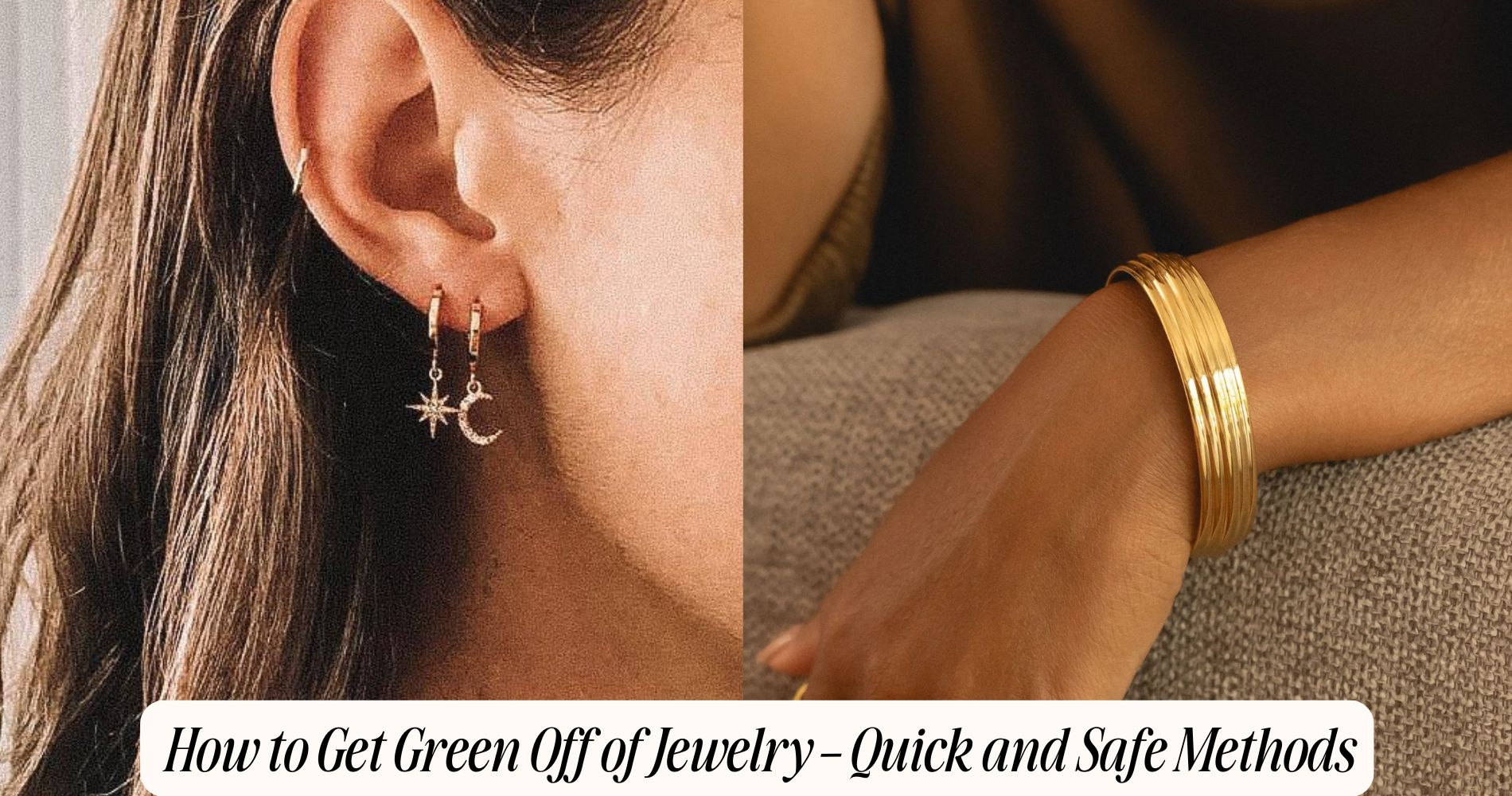
How to Get Green Off of Jewelry – Quick and Safe Methods
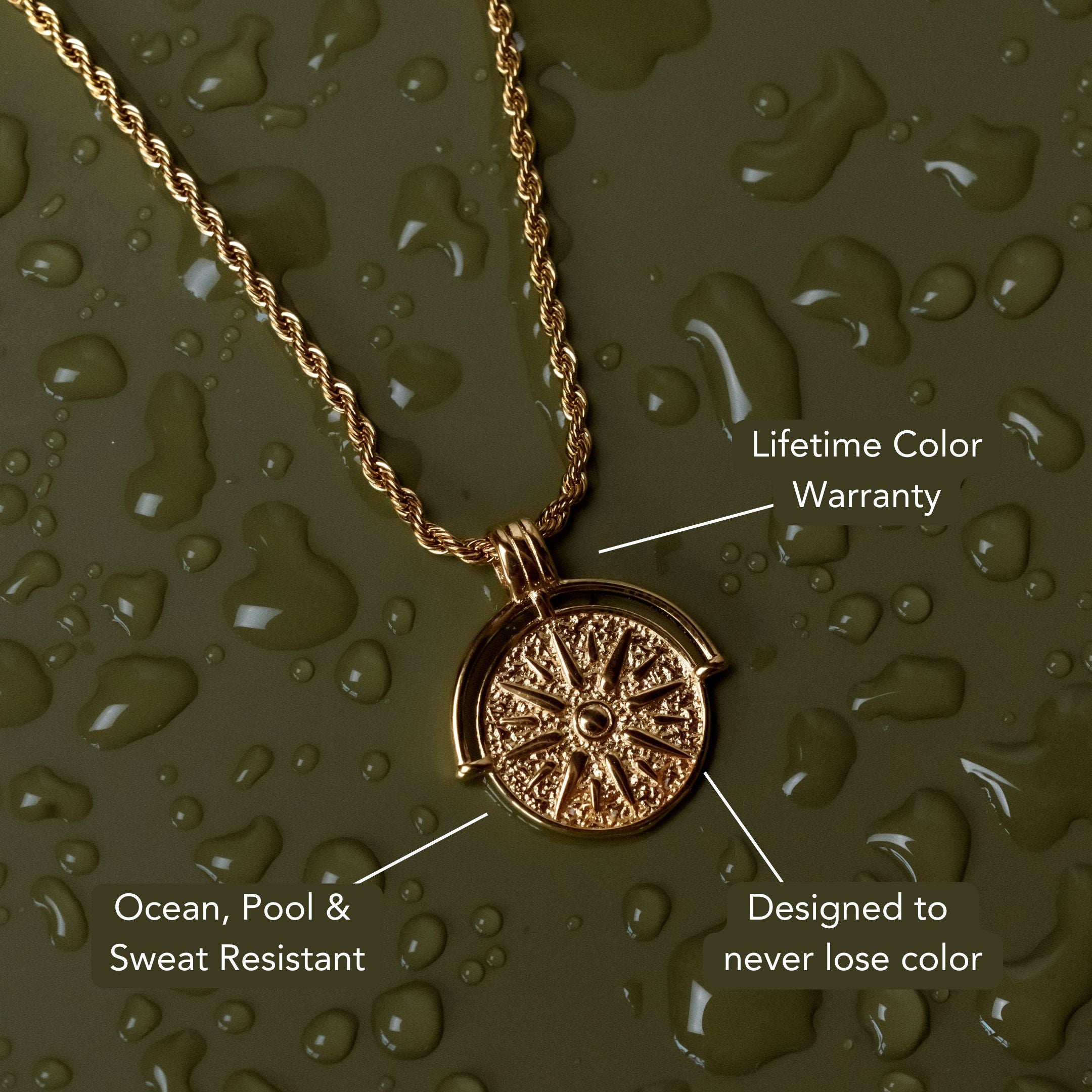
If you’re wondering how to get green off of jewelry, start by identifying the metal—check for markings like “925,” “375/585/750,” or look for the brass or copper tones common in unmarked pieces. Begin with a warm water and mild dish soap soak, then gently scrub using a soft brush and a microfiber cloth. For tougher tarnish on solid copper or brass, a quick vinegar-and-salt soak can help, followed by a thorough rinse and dry. Avoid harsh abrasives on plated pieces. And if you prefer accessories that stay clean and don’t turn green at all, explore our sweatproof jewelry collection. Next, you’ll see how to keep the green from coming back.
Understanding Why Jewelry Turns Green
Although it can look alarming, jewelry turning your skin or the metal surface green is usually a predictable chemical reaction, not a sign of poor hygiene or permanent damage.
When you wear jewelry, moisture, oxygen, and skin acids interact with reactive components in metal alloys. This interaction initiates an oxidation process, forming metal salts and oxides that transfer onto your skin or remain on the piece as a green film.

You typically see this with copper‑bearing alloys, brass, and some plated pieces where a base metal reacts once the coating thins.
Cosmetics, sweat, and even chlorinated water accelerate the reaction by creating a slightly acidic, conductive environment.
Understanding this mechanism helps you choose appropriate cleaning strategies instead of over‑scrubbing or using harsh, damaging chemicals.
Identifying Metal Types and Green Discoloration
Metal composition largely determines whether jewelry develops green discoloration, so you need to distinguish what you’re actually wearing before you clean or treat it.
Start by checking hallmarks: “925” or “Sterling” indicates silver, often plated over copper-bearing metal alloys; “375, 585, 750” indicate 9k, 14k, 18k gold, which still contain reactive base metals.
Unmarked pieces are frequently brass, bronze, or low-cost copper alloys, all prone to green surface films.
Next, visually assess color and wear patterns. Yellow areas showing through “white” metal suggest thin plating over brass. A warm, reddish undertone points to copper.
For rigorous jewelry care, use a magnifier to inspect edges, clasps, and abrasion points—these reveal core metal where plating’s thinnest and green discoloration typically initiates.
When Green Tarnish Is Harmless—and When It’s Not
Once you understand what your jewelry’s made of, you can decide whether that green film is just cosmetic tarnish or a sign of a problem.
On copper, brass, or low‑karat gold, a thin green layer is usually harmless tarnish—mainly copper carbonate or chloride—from normal exposure to skin acids, sweat, and moisture. It may stain skin but doesn’t indicate metal failure.
You should worry when green residue coincides with skin symptoms.
Watch for burning, itching, blisters, or persistent redness; those suggest allergic or toxic reactions, especially with nickel-containing alloys or degraded platings.
Also be cautious if the piece smells strongly metallic, sheds flakes, or reveals pitting and cracks—those can indicate unstable base metals, poor-quality coating, or corrosion that compromises structural integrity.
Quick Prep Steps Before Cleaning Your Jewelry
Two simple checks before you start cleaning will protect both the jewelry and your skin.
First, identify your jewelry materials as precisely as possible—solid gold vs. gold‑plated, sterling silver vs. silver‑plated, copper alloys, brass, or costume bases. Note any stones, fillers, coatings, or patinas. Examine clasps, prongs, and solder joints under good light so you don’t worsen existing weaknesses.
Next, assemble appropriate cleaning tools. Use non‑abrasive microfiber or jewelry‑grade polishing cloths, soft nylon or natural‑bristle brushes, lint‑free swabs, and nonreactive plastic or glass bowls.

Avoid steel wool, household scouring pads, and generic chemical cleaners, which can strip plating or etch softer alloys.
Finally, remove rings or bracelets from your hands, dry your skin thoroughly, and work over a padded, well‑ventilated surface.
Gentle Soap and Water Cleaning Method
Although it’s the simplest option, a properly mixed soap‑and‑water bath can remove most green discoloration without stressing the piece.
Fill a non‑reactive bowl with warm water, not hot, to avoid thermal shock that can loosen stones or damage coatings. Add one or two drops of gentle soap—preferably dye‑free, fragrance‑free dish or hand soap—and mix until the solution looks uniformly cloudy, not foamy.
Submerge the jewelry for 5–10 minutes so the surfactants can break the film binding the green residue to the metal.
Using a soft, clean toothbrush, brush along crevices and under settings in short, controlled strokes. Rinse thoroughly under lukewarm running water, then blot dry with a lint‑free cloth, ensuring no moisture remains around prongs or hinges.
Using Baking Soda and Water for Stubborn Green Build-Up
For green deposits that don’t respond to mild soap, a baking soda paste provides a controlled, slightly abrasive option that lifts corrosion without harsh chemicals.
In a small dish, combine baking soda with a few drops of water to form a dense water mixture—thick enough to cling, but not run.
Apply the paste with a soft toothbrush or lint-free cloth, targeting only the affected areas. Use a light, circular scrub technique, maintaining consistent but gentle pressure to avoid scratching plating or softer stones.
Rinse thoroughly under lukewarm water until no residue remains, then pat dry with a clean, absorbent cloth.
Incorporate this method into periodic jewelry maintenance, but avoid overuse on delicate finishes to preserve surface integrity.
Vinegar and Salt Soak for Heavy Tarnish
When green tarnish forms a thick, stubborn crust, a controlled vinegar and salt soak can dissolve it efficiently by chemically breaking down copper corrosion. You’ll rely on vinegar properties—its mild acetic acid—to loosen oxidized copper compounds and detach them from the metal surface.
Place your jewelry in a non-reactive glass dish, then mix white vinegar with a measured amount of table salt, stirring until fully dissolved. The salt reaction increases the solution’s ionic strength, accelerating corrosion removal and lifting green deposits from crevices.
Soak for several minutes, monitoring the metal continuously; don’t leave it unattended. After the tarnish softens, remove the piece, gently agitate remaining residue with a soft brush, then rinse thoroughly and dry immediately.
Safe Cleaning Tips for Plated and Costume Jewelry
Because plated and costume jewelry use thin metal coatings over base alloys, you have to clean them with controlled, low-abrasion methods that won’t strip the finish or expose the underlying metal.
For precise plated jewelry care, start by wiping pieces with a dry, non‑abrasive microfiber cloth to remove loose debris.
Next, prepare a solution of lukewarm water and a few drops of pH‑neutral dish soap. Quickly dip a soft cloth into the solution, wring it almost dry, then gently blot the surface—don’t soak the piece, especially if it has glued stones.
For costume jewelry maintenance, use a soft baby toothbrush only on metal areas, never on decorative coatings. Rinse with a barely damp cloth, then dry immediately and thoroughly.
Protecting Your Skin and Preventing Future Green Marks
Even with perfectly clean jewelry, you’ll keep seeing green marks unless you block the reaction between metal, moisture, and your skin.
Identify which pieces cause discoloration fastest; they usually contain copper or nickel, which accelerate oxidation and skin irritation.
Apply a thin, even barrier—clear nail polish or a dedicated jewelry shield—to all metal areas that touch your skin, and let it cure fully before wearing.
Match pieces to your environment: choose stainless steel, platinum, or higher-karat gold for sweaty workouts or humid days, and keep lotions, perfumes, and sanitizers fully dry before putting jewelry on.
As part of regular jewelry maintenance, inspect clasps, shanks, and earring posts for worn plating and reapply barriers whenever surfaces look dull or rough.
Long-Term Care and Storage to Keep Jewelry Shining
Protecting your skin is only half the battle; you also need to manage how you care for and store each piece so it doesn’t deteriorate between wears.
Consistent jewelry maintenance starts with keeping metals dry: remove pieces before showering, swimming, or exercising, then blot thoroughly with a lint‑free cloth.
For long term storage, control humidity and contact. Use anti-tarnish strips or silica gel packs in a closed jewelry box.

Store silver, copper, and plated items individually in soft, non-PVC pouches or acid‑free zip bags to prevent abrasion and galvanic reactions. Keep chains fastened to avoid tangling and stress on links.
Separate harder stones, like diamonds, from softer gems and plated surfaces, which they can scratch during minor movement.
Frequently Asked Questions
Can Professional Jewelers Remove Severe Green Tarnish More Effectively Than Home Methods?
Yes, professionals remove severe green tarnish far more effectively. You’ll benefit from controlled chemical baths, ultrasonic cleaning, and polishing lathes—professional techniques that stabilize metal, protect stones, and deliver deeper, safer jewelry restoration than home remedies.
How Does Green Discoloration Impact the Resale or Appraisal Value of Jewelry?
Green discoloration usually lowers resale value because buyers perceive poor care and possible damage. Appraisers treat it as negative appraisal factors, noting metal corrosion, porosity risk, plating loss, and extra restoration costs before assigning a conservative valuation.
Are There Hypoallergenic Jewelry Options That Never Cause Green Marks or Skin Reactions?
You can’t guarantee zero reactions, but you greatly reduce risk by choosing copper free options: platinum, high-karat yellow gold, titanium, niobium, and implant-grade stainless steel—these skin friendly metals minimize corrosion, leaching, and resultant green marks.
Can Ultrasonic Jewelry Cleaners Safely Remove Green Buildup From All Metal Types?
No, you can’t safely use ultrasonic cleaners on all metals. Ultrasonic cleaner effectiveness and metal type compatibility vary; avoid porous gems, soft stones, plated, patinaed, or heavily oxidized pieces, and always follow the manufacturer’s metal-specific guidance.
Is Green Discoloration More Common in Certain Climates or Water Types (Hard vs. Soft)?
Yes, you’ll see green discoloration more in humid, coastal climates and with high water hardness. Mineral‑rich hard water, sweat, and salt accelerate copper alloy corrosion, while soft, dry environments typically slow patina and skin‑staining reactions.
Conclusion
You’ve seen why jewelry turns green, how to identify metals, and when discoloration’s harmless versus risky. Now, apply the right method—mild soap, targeted vinegar soaks, or ultra-gentle care for plated and costume pieces—based on each item’s construction. Protect your skin with barrier products and smart wearing habits, then reinforce everything with proper storage. When you treat your jewelry like a miniature materials system, you’ll keep it bright, stable, and comfortable against your skin.





コメントを書く
このサイトはhCaptchaによって保護されており、hCaptchaプライバシーポリシーおよび利用規約が適用されます。