

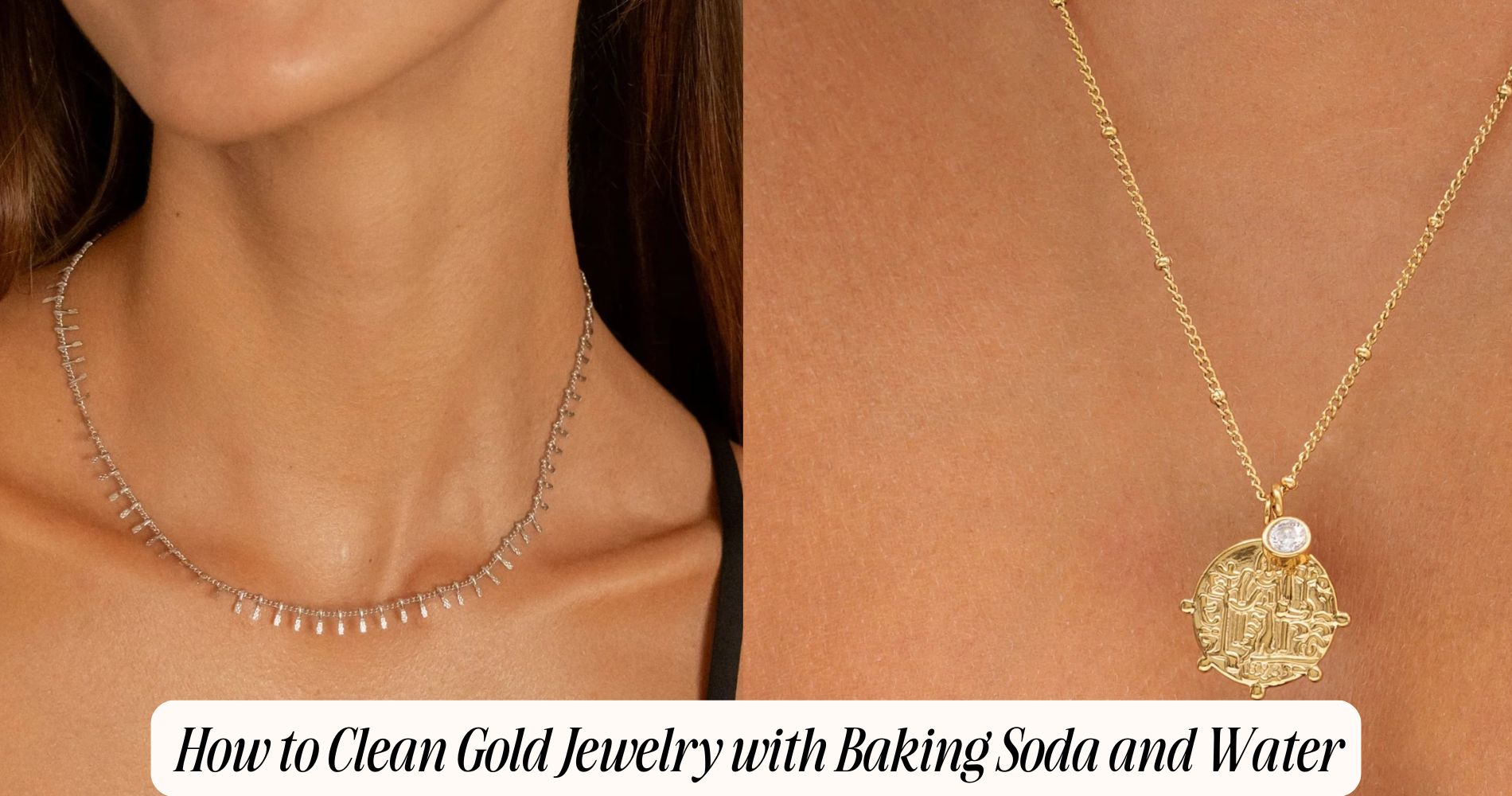
How to Clean Gold Jewelry With Baking Soda and Water
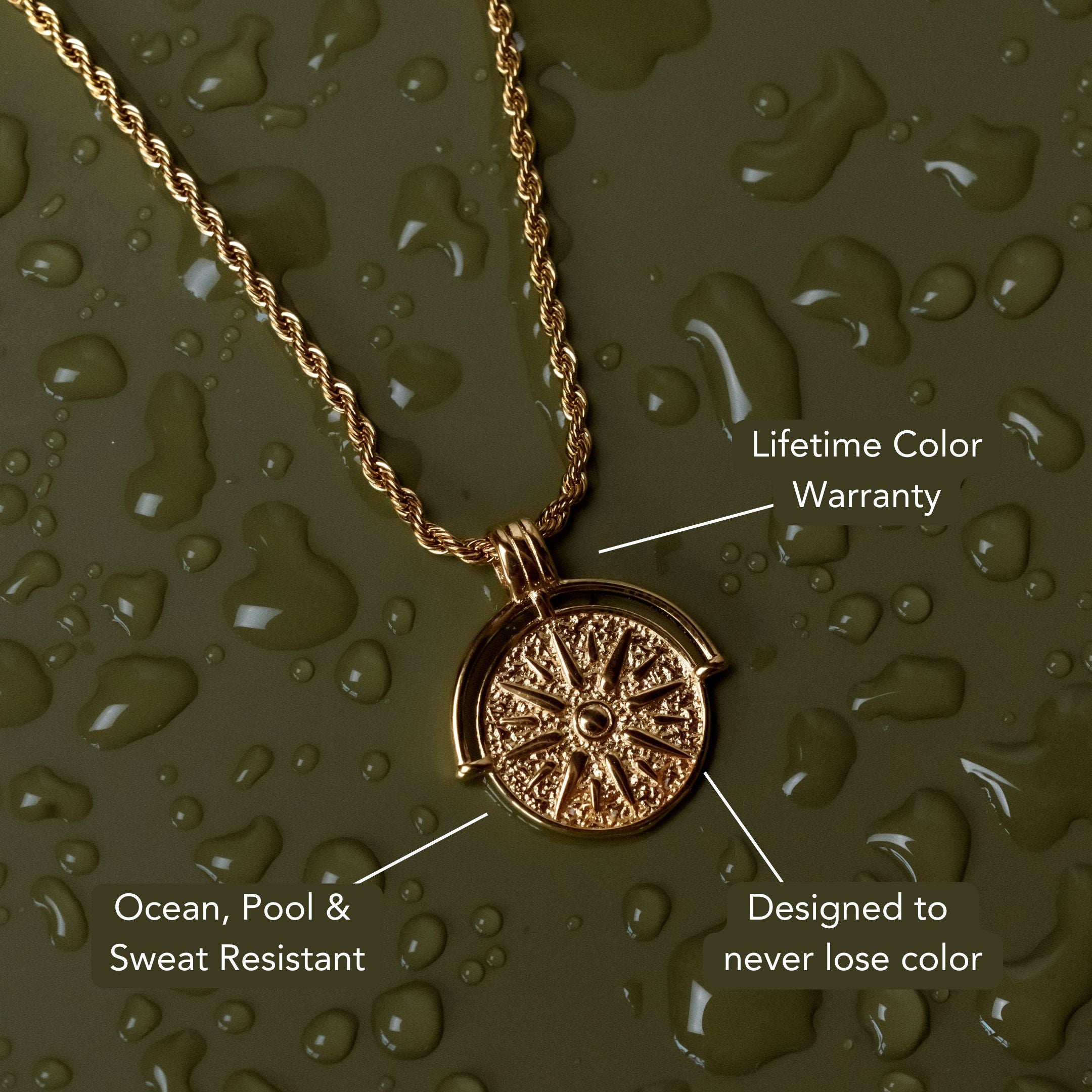
If you’re wondering how to clean gold jewelry with baking soda and water, the process is simple and safe when done correctly. Mix 3 parts baking soda with 1 part cool water to form a smooth, toothpaste-like paste, and use it only on solid, well-constructed gold—never on plated, hollow, or delicate pieces. This gentle method works especially well for pieces similar to Atolea’s affordable gold jewelry. Lightly brush the metal with a soft toothbrush, rinse thoroughly, and dry with a microfiber cloth. Avoid scrubbing too hard or combining baking soda with harsh cleaners. Next, you’ll learn how to refine this method and avoid hidden risks.
Understanding When Baking Soda Is Safe for Gold Jewelry
Although baking soda can be an effective cleaner, it’s only safe for certain types of gold jewelry and specific conditions.
You must first consider gold purity. High-karat pieces (18K–24K) contain more elemental gold and fewer alloy metals, so they usually tolerate mild baking soda exposure better than low-karat items, which have more reactive metals that can pit or discolor.
You also need to evaluate jewelry settings. Prongs, channels, and pavé work can trap abrasive particles, increasing wear on softer metals over time.

Avoid baking soda on pieces with delicate stones, glued components, or hollow construction, since mechanical action and mild alkalinity can weaken adhesives or thin walls.
When in doubt, reserve baking soda only for solid, well-constructed, higher-karat gold items.
Gathering the Supplies You’ll Need at Home
Once you’ve identified which gold pieces can safely handle baking soda or other cleaners, assemble a small set of purpose-made supplies so you don’t damage the metal or stones.
Create a concise supplies checklist: non-abrasive microfiber cloths, a soft-bristled toothbrush or jewelry brush, a small glass or ceramic bowl, and cotton swabs for detailed work. Avoid metal containers that can react with cleaners.
Select cleaning tools that won’t scratch gold: guarantee the brush bristles are ultra-soft, and skip stiff or worn brushes.
Keep nitrile gloves on hand if you have sensitive skin. Lay out a lint-free towel to protect both your jewelry and the work surface.
Finally, prepare a fine-mesh strainer or small tray so tiny pieces can’t wash down the drain.
Mixing the Right Baking Soda and Water Solution
For a basic gold-safe cleaner, combine baking soda with cool or lukewarm water to form a smooth, spreadable paste rather than a thin liquid. Aim for baking soda ratios of roughly 3 parts powder to 1 part water, then adjust gradually.
You’re targeting a solution consistency similar to toothpaste: thick enough to cling to metal, but soft enough to spread without pressure. Add water drop by drop; don’t pour. Stir with a non-abrasive utensil until no dry pockets remain.
If the paste looks chalky or crumbles, add a tiny amount of water. If it runs or drips, incorporate more baking soda. Avoid hot water, which can stress heat-sensitive stones or settings, and mix only what you’ll use immediately to keep the paste stable.
Step-by-Step Guide to Cleaning Your Gold Jewelry
Begin by preparing a clean, well-lit workspace with a soft towel or microfiber cloth laid flat to prevent scratches and catch small parts.
Place your gold pieces on the cloth, separating chains, rings, and earrings to avoid tangling or abrasion. For disciplined gold care, inspect each item for loose stones, bent prongs, or damaged clasps; set aside anything fragile or high-value for professional jewelry maintenance.
Put on disposable gloves if you have sensitive skin.
Using a small, soft-bristled brush (baby toothbrush or jewelry brush), load a minimal amount of the baking soda paste you’ve mixed. Gently scrub along the metal surfaces, working with the grain of any visible finish.
Use light, controlled strokes around settings and engraving to avoid dislodging stones or trapping residue.
Rinsing, Drying, and Polishing for Maximum Shine
After you’ve finished scrubbing, proper rinsing and drying keep your gold bright and prevent chemical or mineral deposits from dulling the surface.
Use controlled rinsing techniques: hold each piece over a fine-mesh strainer and run lukewarm water, directing the flow so it flushes out residue from crevices without forcing the jewelry from your grip.

Select drying methods that avoid abrasion and moisture retention.
Gently press the gold between sections of a clean, lint‑free cotton cloth or microfiber towel; don’t twist or wring. Let intricate pieces air-dry completely on a soft surface.
For polishing tips, use a dedicated jewelry polishing cloth and light, linear strokes following the metal’s contours.
This minimizes surface distortion while providing safe, gradual shine enhancement.
Common Mistakes to Avoid When Using Baking Soda
Although baking soda can clean gold effectively, misusing it can scratch surfaces, loosen settings, or strip finishes.
One of the biggest baking soda misconceptions is assuming all gold pieces tolerate the same abrasiveness. High-carat (soft) gold, thin bands, or hollow pieces face higher gold jewelry risks from aggressive scrubbing or undissolved crystals.
Don’t mix baking soda with bleach, ammonia, or strong cleaners; those combinations can attack solder joints and weaken prongs.
Never use baking soda on gold-plated or vermeil items, as it can cut through the thin surface layer and expose base metal.
Avoid hard-bristle brushes, prolonged soaking, or high-pressure rubbing around stones; those actions create micro-abrasions, enlarge existing flaws, and increase the chance of gemstone loss.
Ongoing Care Tips to Keep Your Gold Looking New
To keep gold jewelry looking new between deep cleanings, treat each piece as a wearable surface that can scratch, bend, or dull with routine use.
Remove rings and bracelets before manual work, gym sessions, or handling chemicals like bleach or chlorine, which can stress alloys and weaken settings. Wipe pieces after wearing with a soft, non-abrasive cloth to remove skin oils and environmental residue.
Practice preventative maintenance by inspecting clasps, prongs, and solder joints monthly. If you see movement, gaps, or rough edges, stop wearing the item and schedule a professional check.

Optimize jewelry storage: keep pieces separated in lined compartments or soft pouches to prevent metal-on-metal contact, tangling, and micro-abrasion from harder gemstones or rough surfaces.
Frequently Asked Questions
Will Baking Soda Cleaning Affect the Resale or Appraisal Value of My Gold Jewelry?
It usually won’t reduce resale value if you use gentle paste and soft cloth, but over-scrubbing can cause micro-scratches. Those surface abrasions may slightly dull luster, creating minor appraisal impact, especially on high-polish or delicate pieces.
Is It Safe to Clean Gold Jewelry With Baking Soda While Gemstones Are Loose?
No, it’s not safe; loose stones risk abrasion and dislodging. Prioritize gemstone safety: stop DIY cleaning methods, secure or tighten settings first, then use mild detergent soaks or professional ultrasonic/steam cleaning only after a jeweler’s inspection.
How Does Baking Soda Cleaning Compare to Ultrasonic Jewelry Cleaners for Gold?
You’ll find baking soda effectiveness lower than ultrasonic cleaner efficiency for embedded grime. Ultrasonics clean intricate gold faster, but you must verify gemstone stability, avoid loose settings, and follow manufacturer guidelines to prevent cavitation damage or metal fatigue.
Can I Use Baking Soda on Gold Jewelry With Antique or Heirloom Patina Finishes?
You shouldn’t use baking soda on antique gold with intentional patina; it’s mildly abrasive and can strip finishes, harming patina preservation. Instead, use distilled water, mild detergent, and a soft brush, or consult a professional conservator.
What Should I Do if My Gold Jewelry Changes Color After Baking Soda Cleaning?
Stop further cleaning, rinse thoroughly, and gently dry. Inspect for plating loss or alloy reaction. For safe color restoration methods, consult a professional jeweler. Prioritize conservative gold jewelry care, avoiding abrasives, harsh chemicals, and ultrasonic cleaners until evaluated.
Conclusion
By now, you know exactly how to clean gold with baking soda and water safely and effectively. When you confirm your piece is real, non-plated gold and avoid harsh scrubbing, you won’t risk scratching or thinning the metal. Follow controlled soak times, rinse thoroughly, and dry completely to prevent residue and spotting. With regular, gentle maintenance and proper storage, you’ll keep your gold jewelry bright, stable, and structurally sound for years.











コメントを書く
このサイトはhCaptchaによって保護されており、hCaptchaプライバシーポリシーおよび利用規約が適用されます。