

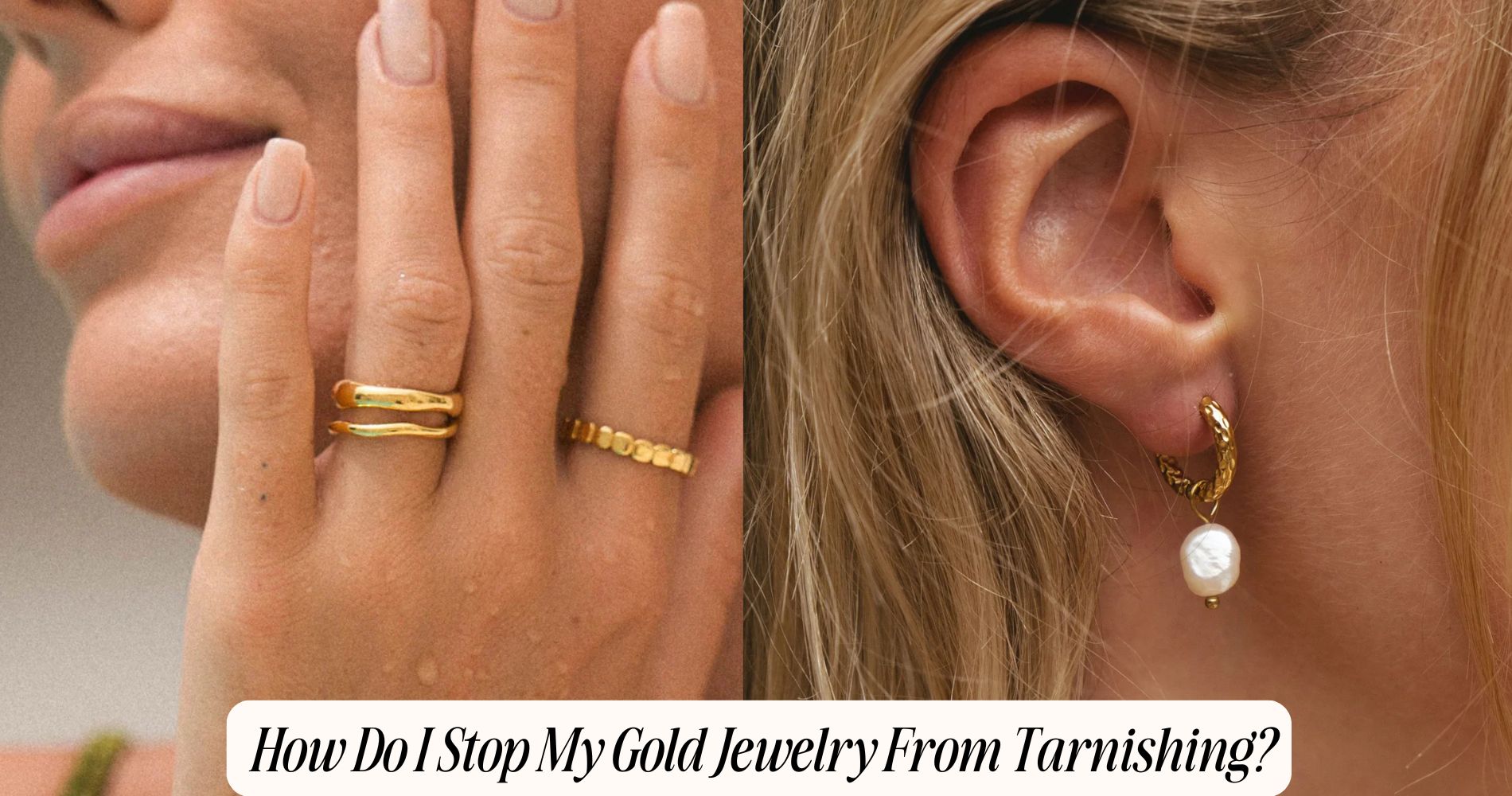
How Do I Stop My Gold Jewelry From Tarnishing?
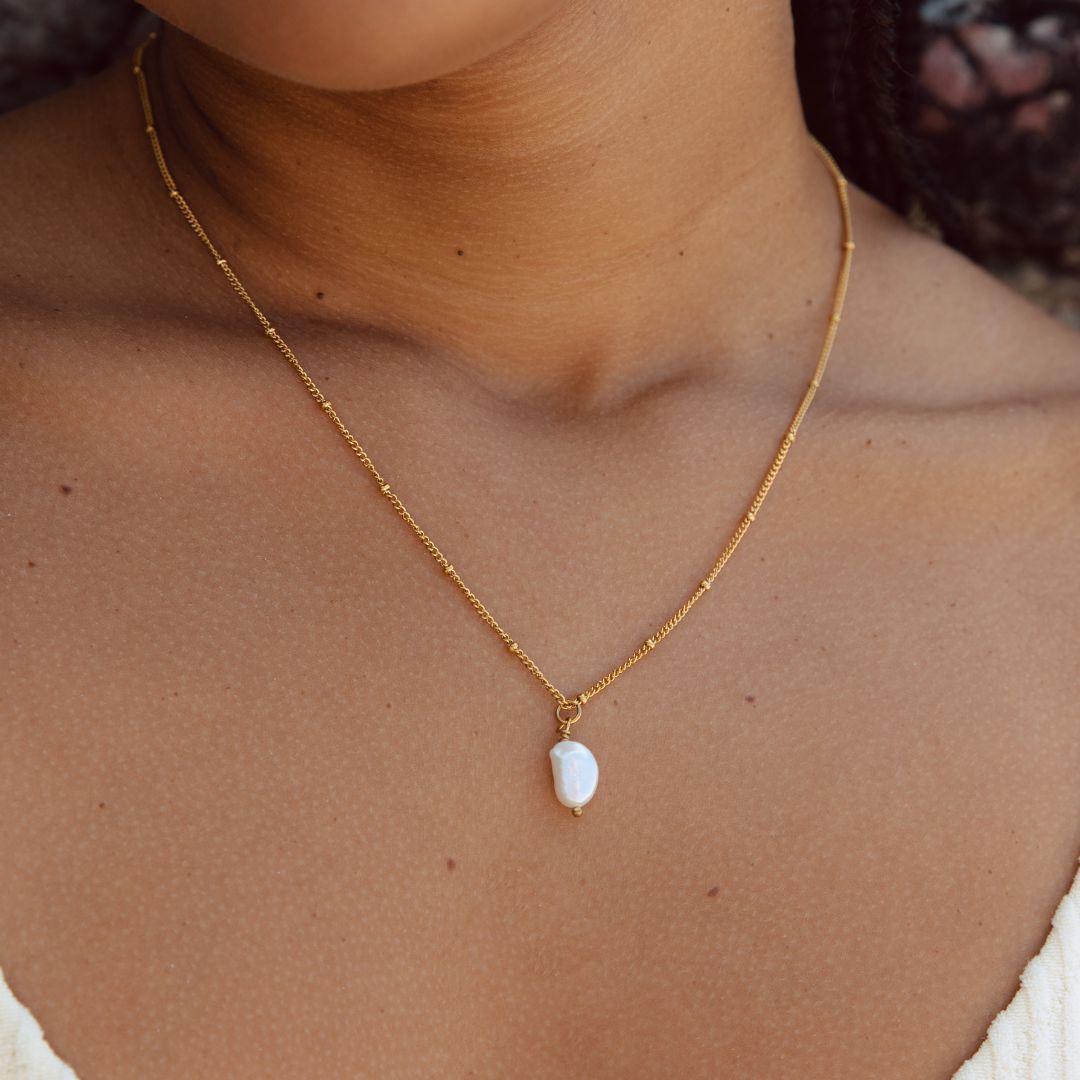
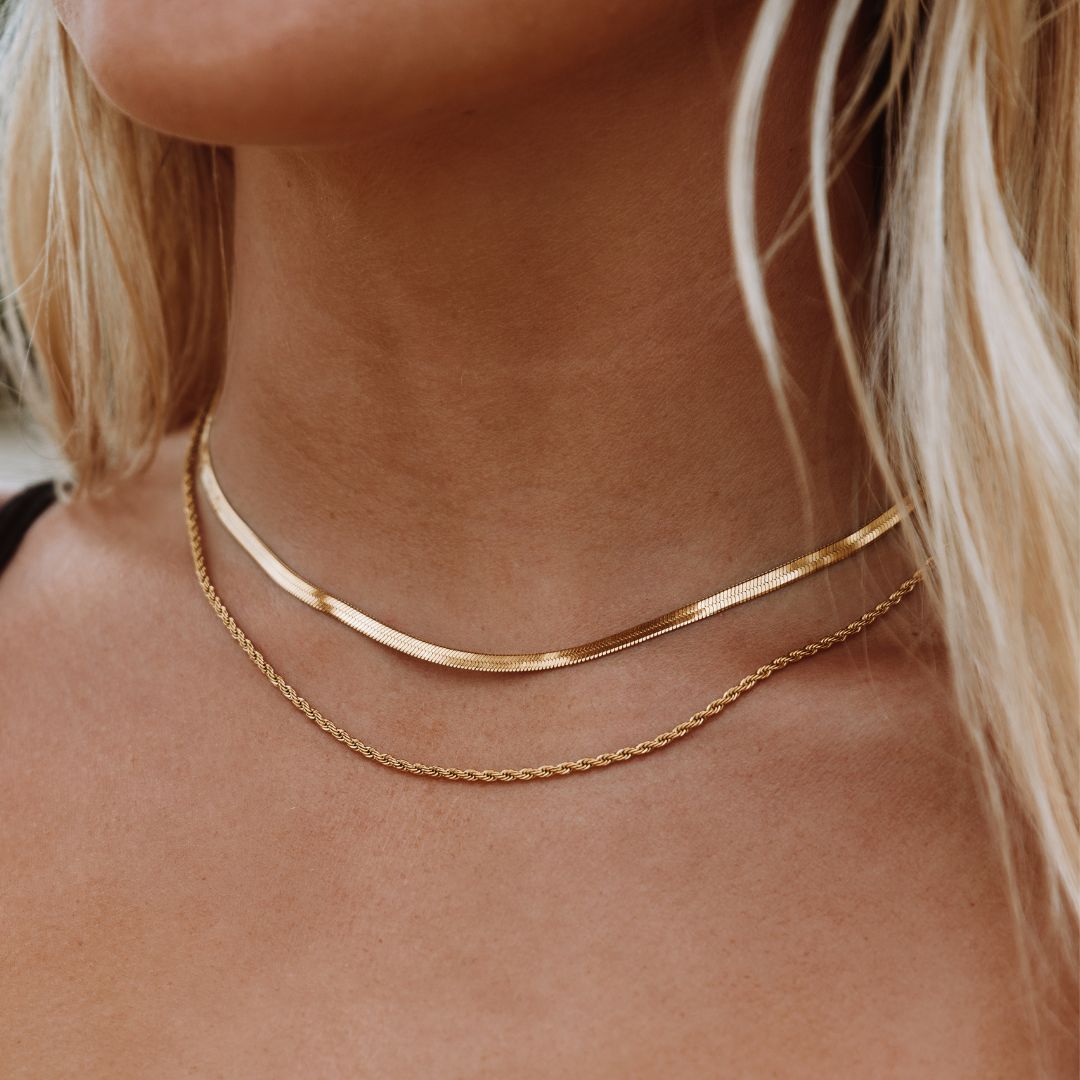
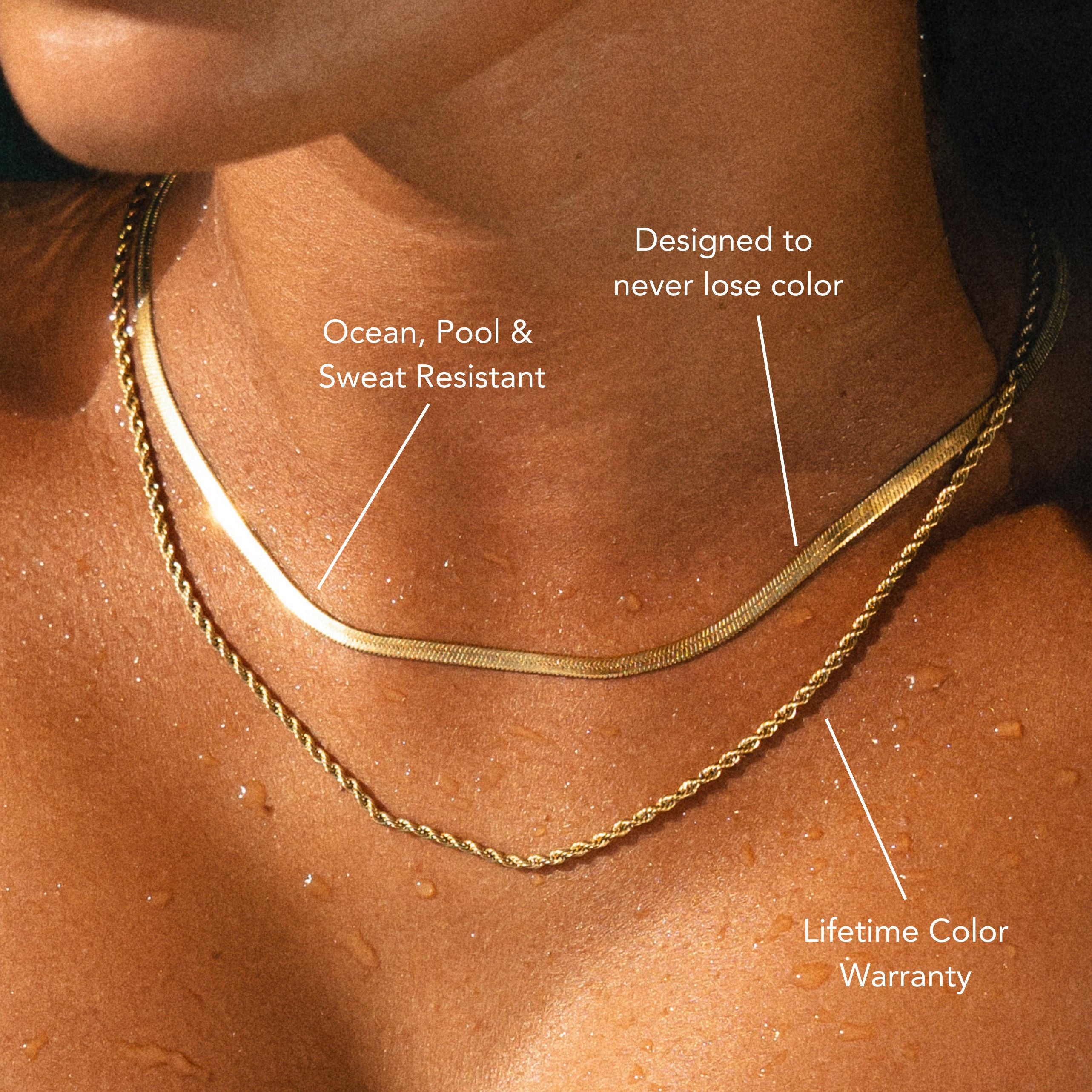
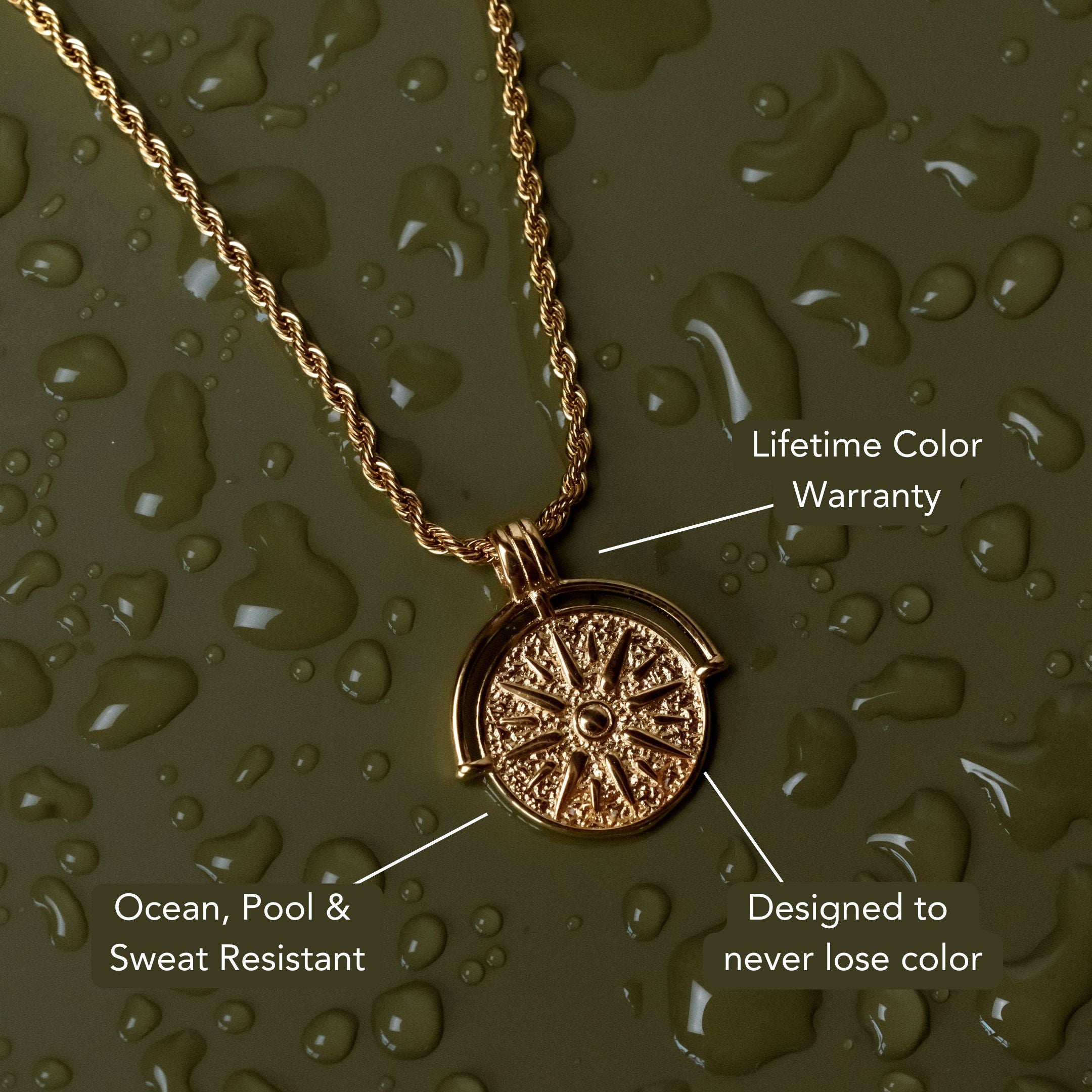
If you’re wondering how do I stop my gold jewelry from tarnishing, the key is choosing higher-karat pieces (14K–18K or higher) and nickel-free alloys, then protecting them from sweat, chemicals, and excess moisture. You can also make things easier by opting for pieces made to resist fading—such as those from our Anti-Tarnish Jewelry collection. Always put jewelry on after skincare and perfume, remove it before swimming, cleaning, or workouts, and wipe it with a soft cloth after each wear. Store your pieces in dry, lined, or anti-tarnish pouches, and clean them occasionally with lukewarm soapy water to keep them bright even longer.
Understanding Why Gold Jewelry Tarnishes
Although gold itself is chemically stable, your gold jewelry can still tarnish because it’s rarely made from pure 24K gold and it’s constantly exposed to reactive substances.
Manufacturers blend gold with metals like copper, silver, nickel, and zinc to create durable gold alloys. Those added metals drive most tarnish causes.
You’re not seeing gold corrode; you’re seeing these alloy metals react with sulfur compounds, oxygen, sweat, lotions, and household chemicals.

Humidity and skin pH accelerate this surface reaction, forming dull, dark, or greenish films.
Friction from daily wear also exposes fresh metal, keeping reactions active.
When you understand that tarnish is a controlled surface reaction of alloy metals, you can design cleaning and storage habits that specifically limit that exposure.
Choosing the Right Type and Karat of Gold
Selecting the right gold type and karat is your first structural defense against tarnish, because the alloy composition directly controls how quickly surface reactions occur.
When you compare gold types, prioritize higher-purity alloys: 18K (75% gold) and 22K (91.6% gold) resist tarnish better than 10K or 14K because there’s less reactive base metal present.
For pieces you’ll wear often, choose 14K or 18K as balanced karat choices: they deliver good durability while limiting discoloration from copper, silver, or nickel.
Yellow gold generally tarnishes less visibly than rose gold, which contains more copper, and often less than some white gold alloys that rely on higher nickel content.
When possible, ask your jeweler for nickel-free or palladium-based white gold formulations.
Everyday Habits That Prevent Tarnish Buildup
Even with the right karat and alloy, your daily habits largely determine how fast gold jewelry picks up tarnish and surface film.
Focus on daily maintenance: put jewelry on last, after skincare, makeup, hair products, and perfume, so chemicals don’t sit on the metal. Remove rings before washing dishes, swimming, or cleaning, since detergents, chlorine, and bleach attack alloys.
Wipe pieces with a soft, lint‑free cloth after wear to remove sweat, skin oils, and product residue. If you exercise, don’t wear chains or rings that stay in prolonged contact with perspiration.
Adjust lifestyle choices that expose jewelry to extremes—avoid hot tubs, saunas, and direct sun on sunscreen‑coated skin. Rotate frequently worn pieces so friction and residue don’t accumulate on the same item daily.
How to Store Gold Jewelry to Keep It Shining
Daily habits slow tarnish, but storage conditions determine how well your gold holds its polish between wears.
Always keep pieces in a dry, stable environment, away from steamy bathrooms and direct sunlight, which accelerate oxidation of alloyed metals.
Use lined jewelry boxes with separate compartments so chains, rings, and earrings don’t abrade one another and create micro‑scratches that dull the surface.
For maximum protection, place each item in individual anti tarnish pouches made with sulfur-absorbing or activated carbon materials; these trap reactive gases that cause discoloration.
Store gold away from rubber, perfumes, and household cleaners, whose vapors can pit or stain alloys.

Before you close your jewelry box, verify every clasp is fastened so pieces don’t tangle or rub.
Safe At‑Home Cleaning Methods for Gold Pieces
Although professional cleanings are ideal for intricate or high‑value pieces, you can safely maintain most gold jewelry at home with controlled, non‑abrasive methods.
Start with lukewarm soap water: mix a few drops of mild dish detergent, soak your gold for 10–15 minutes, then gently agitate with a soft brush and rinse thoroughly.
Use a vinegar solution only on solid, non‑plated gold: combine one part white vinegar with three parts water, briefly dip, then rinse and dry immediately.
Avoid soaking gemstones or glued settings.
Don’t use baking soda or lemon juice directly on gold; both are too abrasive or acidic and can scratch or pit the surface, especially on plated or hollow pieces.
Instead, reserve these agents for cleaning tarnished silver, not gold.
When and How to Get Professional Cleaning
Professional care extends the life of gold jewelry beyond what at‑home cleaning can achieve. You should seek professional services when pieces show persistent dullness, deep‑seated grime around settings, or visible scratches, or after impact, resizing, or repair.
High‑karat, hollow, or stone‑set items especially benefit from expert inspection.
Choose a reputable jeweler that specializes in gold jewelry maintenance. Ask if they use ultrasonic cleaners, steam cleaning, or gentle chemical baths appropriate to your gold karat and gemstones.
Confirm they inspect prongs, clasps, and solder joints before and after cleaning.
During your visit, request a written description of the procedures used and any findings.
Schedule periodic professional cleaning based on how frequently you wear the piece and its exposure to lotions, sweat, and cosmetics.
Long‑Term Care Tips to Protect Your Investment
Once a jeweler restores your pieces to ideal condition, your routine habits determine how well that finish holds up.
Prioritize consistent gold care: remove jewelry before exercising, swimming, cleaning, or applying lotions and perfume. These chemicals and abrasives accelerate surface corrosion and micro‑scratching.
For daily jewelry maintenance, wipe pieces with a non‑abrasive, lint‑free cloth to remove skin oils, salt, and products.
Store items in individual soft pouches or lined compartments to prevent metal‑on‑metal contact and chain tangling. Use anti‑tarnish strips or silica gel in closed storage to control moisture.
Schedule periodic professional inspections to check clasps, prongs, and solder joints, especially on high‑wear pieces.

Address loose stones or worn settings promptly; structural damage exposes more alloy to air and speeds tarnish.
Frequently Asked Questions
Can Gold-Plated Jewelry Tarnish Faster Than Solid Gold Pieces?
Yes, gold-plated jewelry can tarnish faster than solid gold because the base metal reacts. You protect gold plating by minimizing moisture, avoiding chemicals, storing pieces individually, and following strict maintenance tips like gentle cleaning with mild soap and water.
Is Tarnish on Gold Jewelry Harmful to My Skin or Health?
Tarnish on gold jewelry usually isn’t harmful, but it can cause skin irritation, especially if base metals like nickel are exposed. You should clean pieces regularly, rinse thoroughly, and stop wearing any item that triggers noticeable health effects.
Can I Wear Gold Jewelry in Chlorinated Pools or Hot Tubs?
You shouldn’t wear gold jewelry in chlorinated pools or hot tubs. Chlorine effects weaken gold alloys, pit prongs, and dull finishes. For proper jewelry care, remove pieces beforehand, rinse skin after swimming, and store jewelry dry and separate.
How Can I Tell if Tarnish Indicates Fake or Low-Quality Gold?
You assess tarnish indicators by checking color change speed, green or black residue, and flaking. Consistent, deep discoloration usually signals low gold quality or plating; verify with hallmark inspection, magnet test, and professional acid or XRF testing.
Does Insurance Cover Damage or Tarnish to Fine Gold Jewelry?
Insurance usually doesn’t cover normal tarnish; it may cover sudden, accidental damage under jewelry coverage. You review insurance policies, document appraisals, schedule valuables, and confirm whether mysterious disappearance, repairs, and maintenance exclusions limit reimbursement.
Conclusion
When you understand why gold tarnishes, you can prevent it instead of constantly fixing it. Choose higher‑karat alloys when possible, remove jewelry during harsh activities, and avoid chemicals, sweat, and abrasion. Store each piece separately in dry, lined containers with anti‑tarnish materials. Clean gently at home using appropriate solutions, and schedule professional cleanings when needed. By making these habits routine, you’ll preserve your gold’s luster, structural integrity, and long‑term value.





%20and%20nickel-free%20alloys,%20then%20protecting%20them%20from%20sweat,%20chemicals,%20an...)
コメントを書く
このサイトはhCaptchaによって保護されており、hCaptchaプライバシーポリシーおよび利用規約が適用されます。