

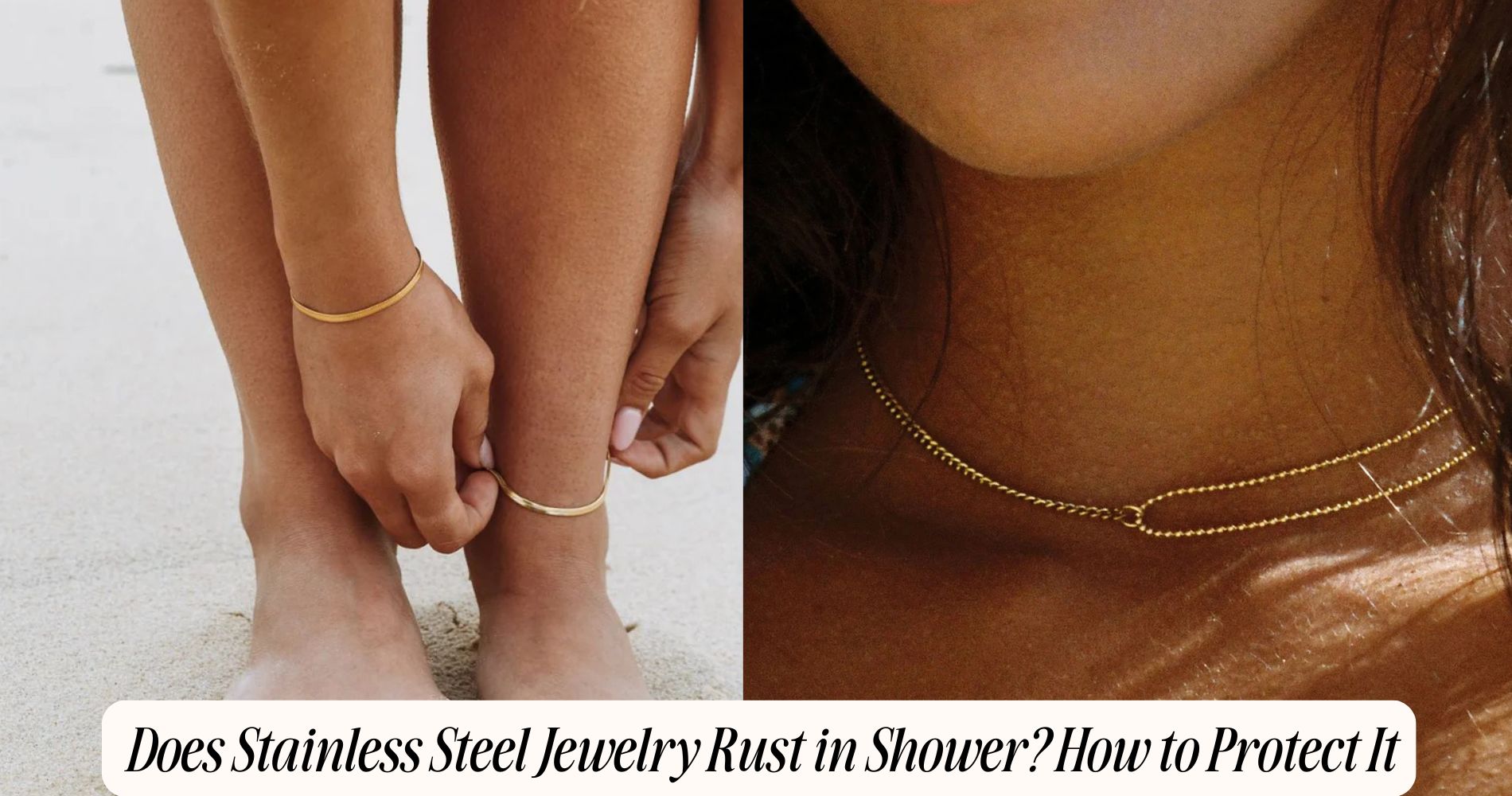
Does Stainless Steel Jewelry Rust in Shower? How to Protect It
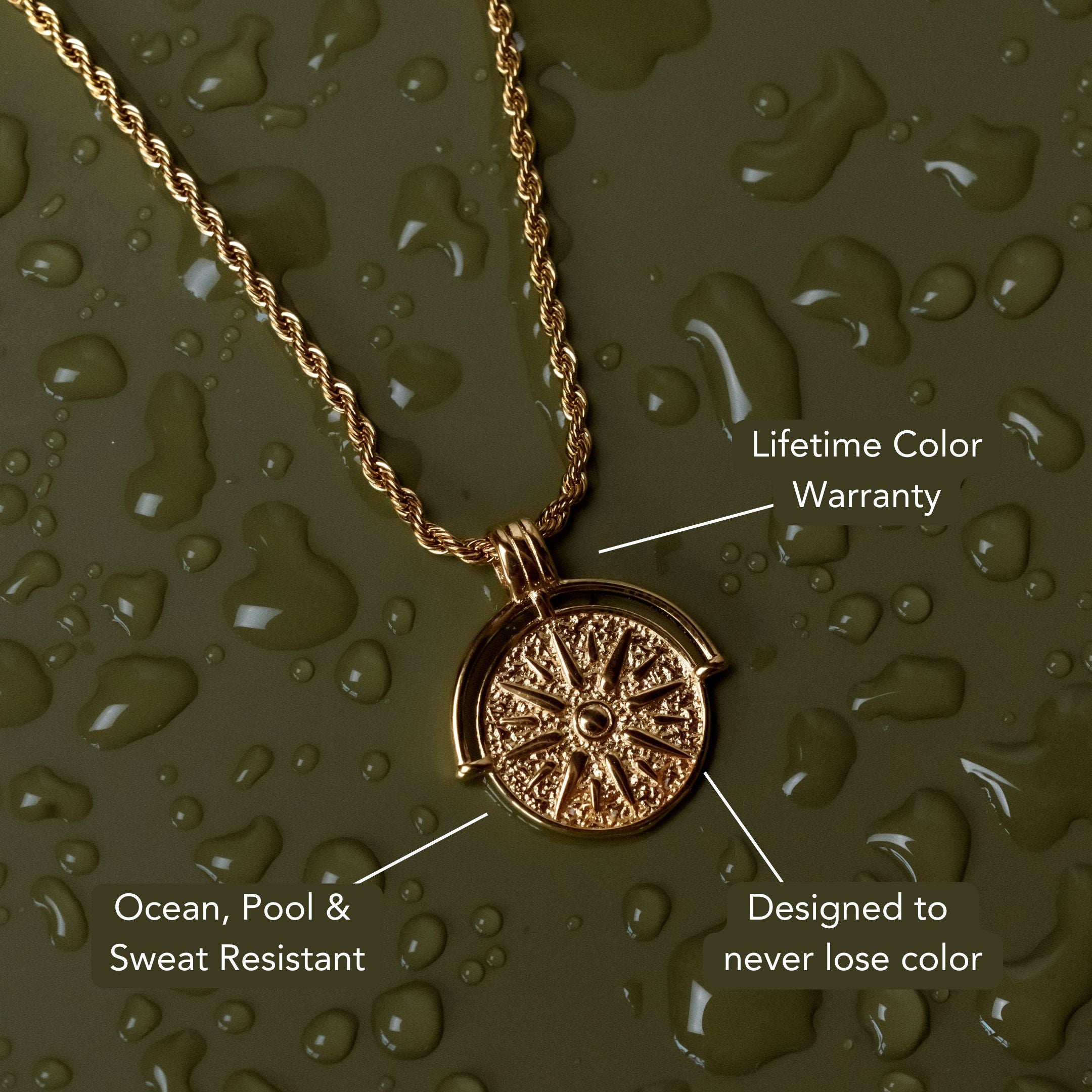
Wondering does stainless steel jewelry rust in shower? In most cases, it doesn’t—its chromium-rich surface creates a strong passive oxide layer that resists true rust far better than silver or plated metals. Still, hot water, soap, shampoo, and mineral buildup can cause light discoloration or “tea-staining” over time. If you want pieces that stay bright even with daily wear, check out our anti-tarnish jewelry collection for long-lasting shine. After showering, rinse your jewelry with lukewarm water, dry it well with a soft cloth, and give it an occasional deep clean with a mild, non-chloride detergent to maximize corrosion resistance.
What Makes Stainless Steel Different From Other Jewelry Metals
Although it looks similar to silver or white gold at a glance, stainless steel is fundamentally different because it’s an iron‑based alloy engineered for corrosion resistance, hardness, and dimensional stability.
You’re not dealing with a soft noble metal; you’re wearing a controlled system of metal alloys where chromium (typically ≥10.5%) is the key element.
Chromium reacts with oxygen to form a nanometer‑scale passive film of chromium oxide. This self‑healing layer gives stainless steel its distinctive corrosion resistance and allows it to outperform sterling silver, brass, and many plated bases under normal wear conditions.

Nickel, molybdenum, and manganese may be added to tune pitting resistance, mechanical strength, and color, so your jewelry delivers high strength, low maintenance, and stable surface properties.
How Water, Soap, and Shampoo Affect Stainless Steel in the Shower
When you wear stainless steel jewelry in the shower, you’re exposing a chromium‑oxide passive film to a controlled mix of hot water, dissolved oxygen, surfactants, and dissolved ions rather than to “pure water.”
In most municipal tap conditions, the passive layer remains stable: chloride levels are too low and temperatures too moderate to initiate generalized corrosion in common jewelry grades like 304 or 316L.
Water exposure alone usually doesn’t destabilize this film, but repeated cycles of wetting and slow drying can leave concentrated soap residue, shampoo additives, and hardness minerals on the surface.
These deposits trap moisture, locally lower pH, and increase chloride activity, which can create micro‑crevices.
Over time, you may see faint discoloration, tea‑staining, or biofilm buildup rather than true rust.
Types of Stainless Steel Used in Jewelry and Their Rust Resistance
Stainless steel jewelry typically relies on a few well‑characterized alloys—most commonly 304, 316L, and 904L—whose rust resistance comes directly from their chromium content and, in some cases, added molybdenum.
You’re fundamentally choosing between austenitic alloys and, less commonly, ferritic alloys.

Grade 304 (≈18% Cr, 8% Ni) resists rust well in normal shower water but can pit in chloride‑rich conditions.
Grade 316L adds 2–3% Mo, increasing pitting resistance; that’s why it’s called “marine” or “surgical” steel and performs better against shampoo and soap residues.
Grade 904L pushes corrosion resistance further with higher Cr, Ni, and Mo, making it highly stable but costlier.
Lower‑nickel ferritic alloys (e.g., 430) offer weaker corrosion resistance and are more prone to tea‑staining and surface rust.
Simple Daily Habits to Keep Your Stainless Steel Jewelry Shiny
Three low‑effort habits—rinsing, gentle wiping, and controlled storage—preserve the passive chromium‑oxide film that keeps stainless steel jewelry shiny.
After showering, quickly rinse each piece with clean, lukewarm water to remove chloride ions, surfactants, and soap residues that can undermine that protective layer over time.
Next, pat the surface dry with a soft, non‑abrasive microfiber cloth. This daily maintenance step removes moisture and particulate matter that initiate crevice corrosion, especially around clasps and stone settings.
For quick polishing techniques, use the same cloth to buff along the metal’s grain, not across it. You’ll align superficial scratches and maintain specular reflectance without cutting into the alloy.
Finally, keep pieces separated in a dry place, minimizing metal‑to‑metal contact and humidity exposure.
Long-Term Care, Deep Cleaning, and Storage Tips for Lasting Wear
Daily habits protect the surface from routine wear, but long-term performance depends on periodic deep cleaning, passivation, and controlled storage conditions.
Every 2–3 months, perform preventive maintenance with a mild, non-chloride detergent and warm water, using a soft brush to remove crevice deposits that can disrupt the chromium oxide passive film. Rinse thoroughly and dry to prevent chloride-rich water spots.
For deeper restoration, use a stainless-safe passivating wipe or gel (citric-based, pH-controlled), then buff with a microfiber cloth to re-promote uniform oxide formation.
Avoid abrasive pastes that alter surface roughness (Ra), since higher Ra increases corrosion initiation sites.

Optimize jewelry organization by storing pieces in low-humidity containers, with individual compartments or pouches to prevent galvanic contact, scratching, and contaminant transfer.
Frequently Asked Questions
Is Stainless Steel Jewelry Safe for Sensitive or Allergy-Prone Skin?
Yes, generally. You’ll tolerate high‑quality 316L or 904L stainless steel because its chromium oxide passivation layer gives strong hypoallergenic properties, minimizing nickel release and reducing skin irritation risk, though ultra‑sensitive users may still prefer titanium or niobium.
Can Stainless Steel Rings Be Resized Without Damaging the Metal?
You can resize stainless steel rings, but ring resizing techniques are limited because stainless steel properties include high hardness and elevated yield strength; laser or precision machining works best, though extreme size changes risk microcracking or structural distortion.
Will Pool Chlorine or Seawater Damage Stainless Steel Jewelry?
Yes, prolonged exposure to pool chlorine and seawater can pit and tarnish stainless steel jewelry, especially lower grades. You should rinse after swimming, minimize immersion, and leverage alloys with higher chromium, molybdenum, and nitrogen for maximum corrosion resistance and pool maintenance compatibility.
Does Stainless Steel Jewelry Tarnish or Change Color Over Time?
It rarely tarnishes, but it can slowly discolor from chloride exposure, sweat, and abrasion. You minimize color change factors with tarnish prevention tips: rinse after wear, dry thoroughly, avoid harsh chemicals, and choose 316L or 304 grades.
Can I Wear Stainless Steel Jewelry During Workouts and Heavy Sweating?
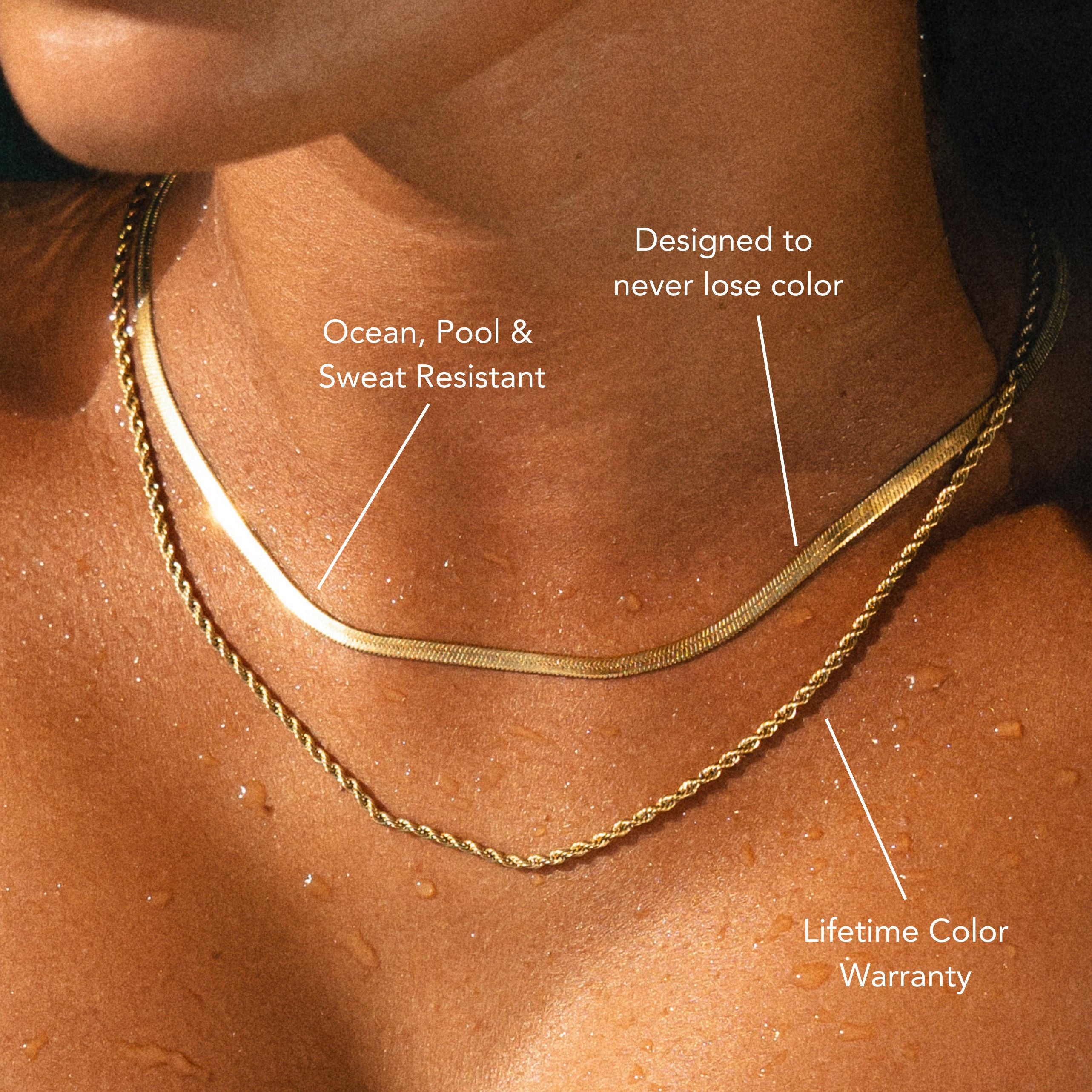
You can wear stainless steel jewelry during workouts; it shows strong workout durability and inherent sweat resistance. Its chromium-rich passive layer resists corrosion, but you should rinse, dry, and occasionally inspect pieces to minimize pitting or chloride-induced degradation.
Conclusion
You can safely wear quality stainless steel jewelry in the shower, as chromium-rich alloys (like 304 and 316L) form a stable passive oxide layer that resists rust. Still, hard water ions, surfactants, and trapped moisture slowly degrade that film. If you rinse, dry, and periodically deep-clean, you’ll minimize pitting, discoloration, and biofilm buildup. With controlled exposure and proper storage, stainless steel’s corrosion resistance and surface finish will stay stable for years of daily wear.





コメントを書く
このサイトはhCaptchaによって保護されており、hCaptchaプライバシーポリシーおよび利用規約が適用されます。