

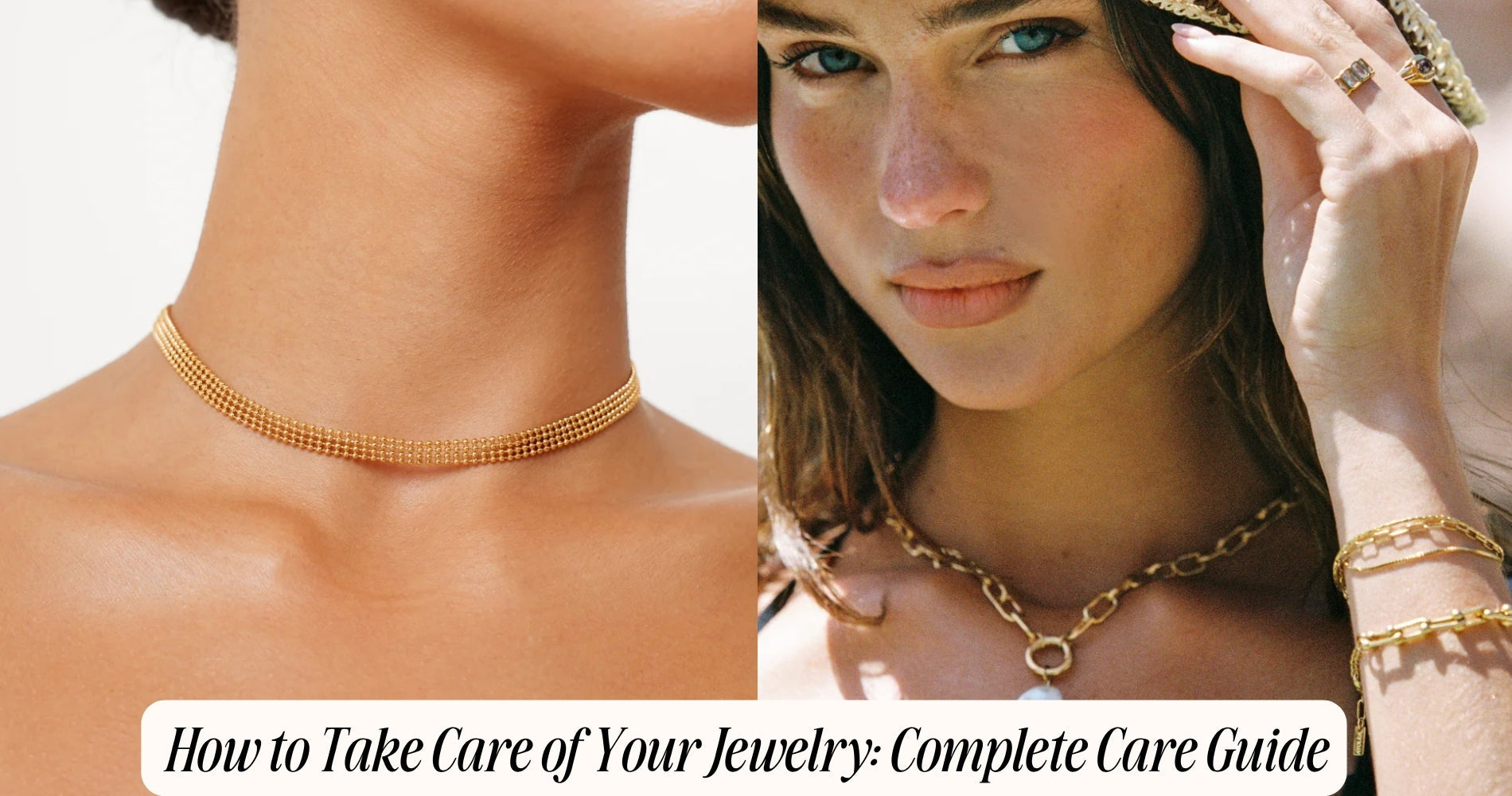
How to Take Care of Your Jewelry: Complete Care Guide
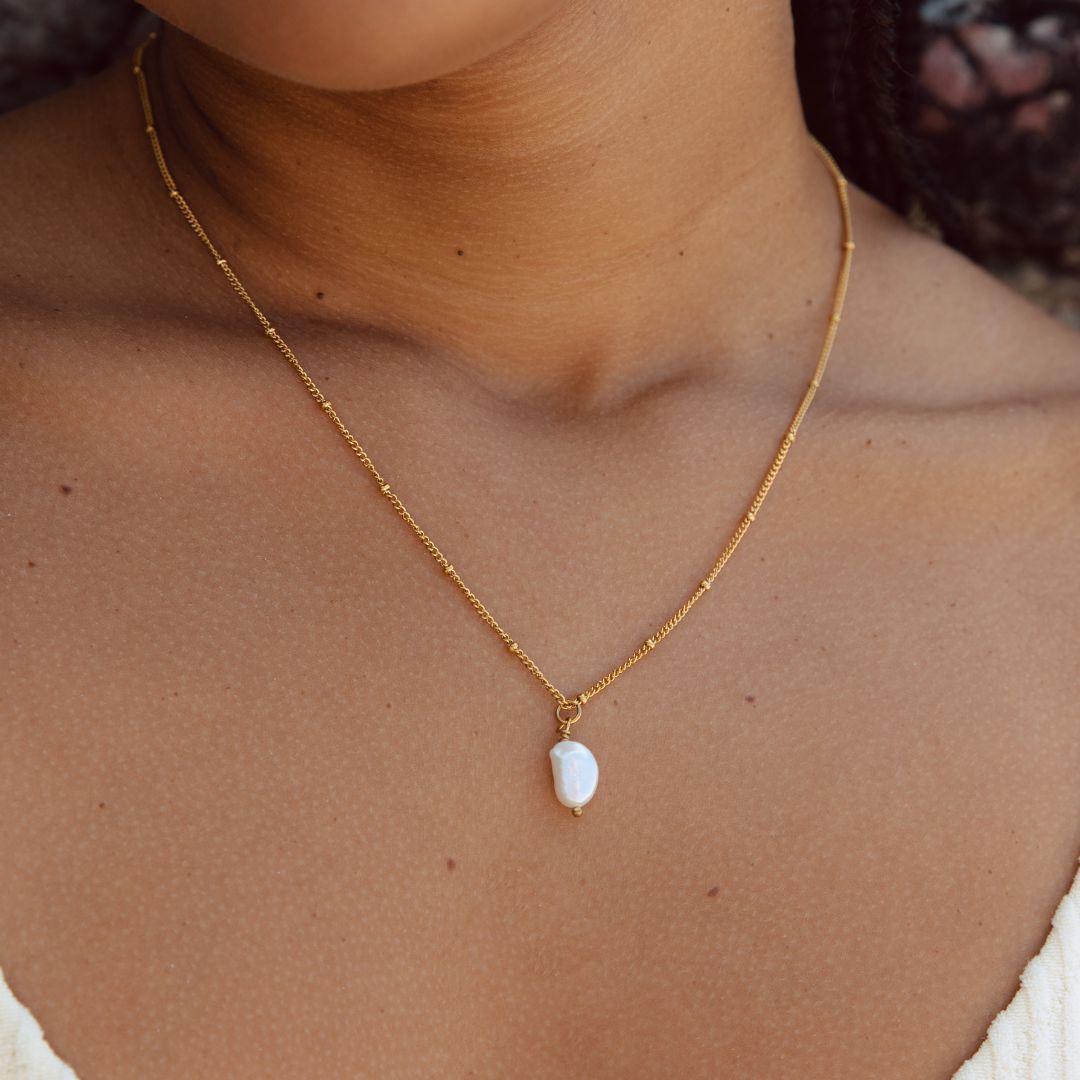
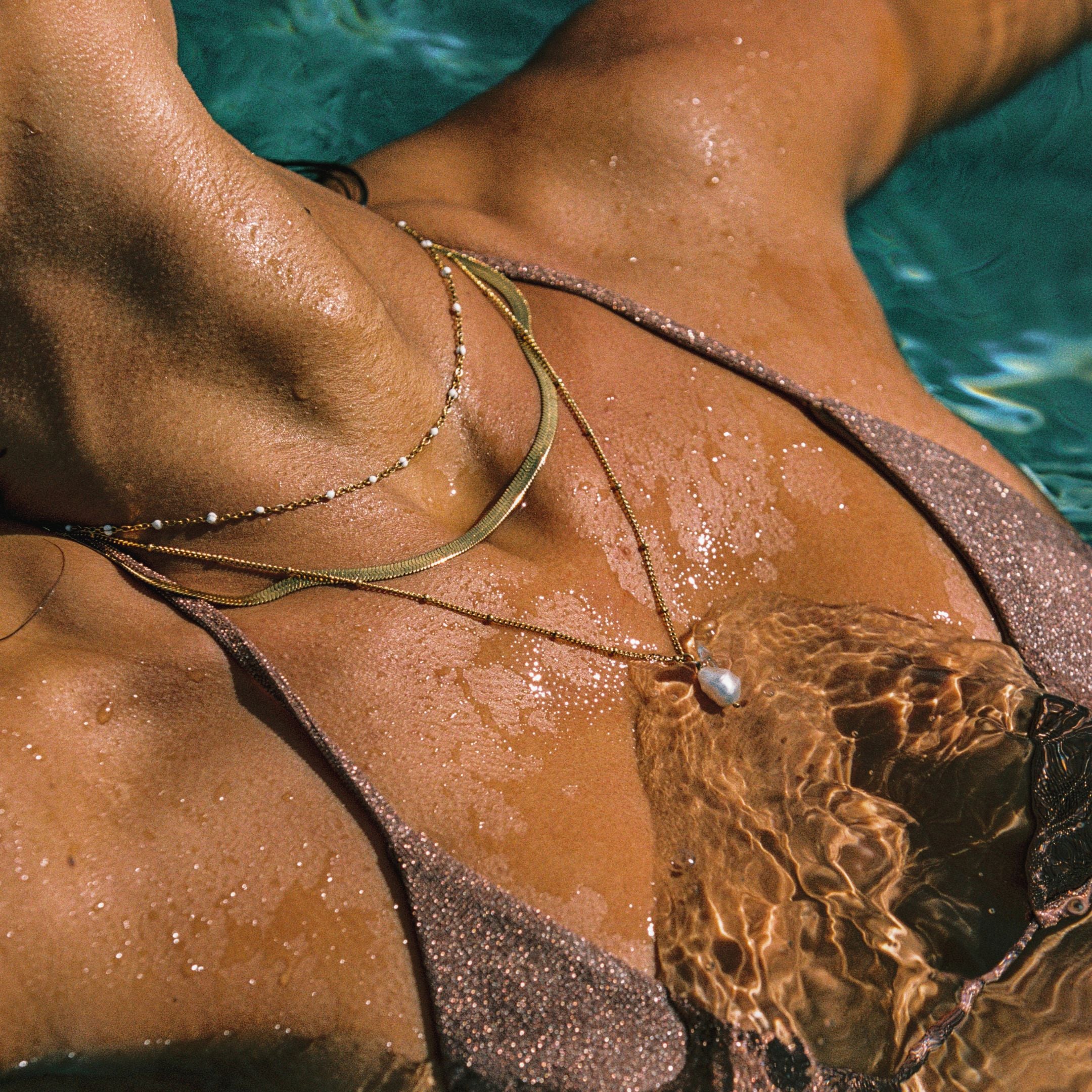
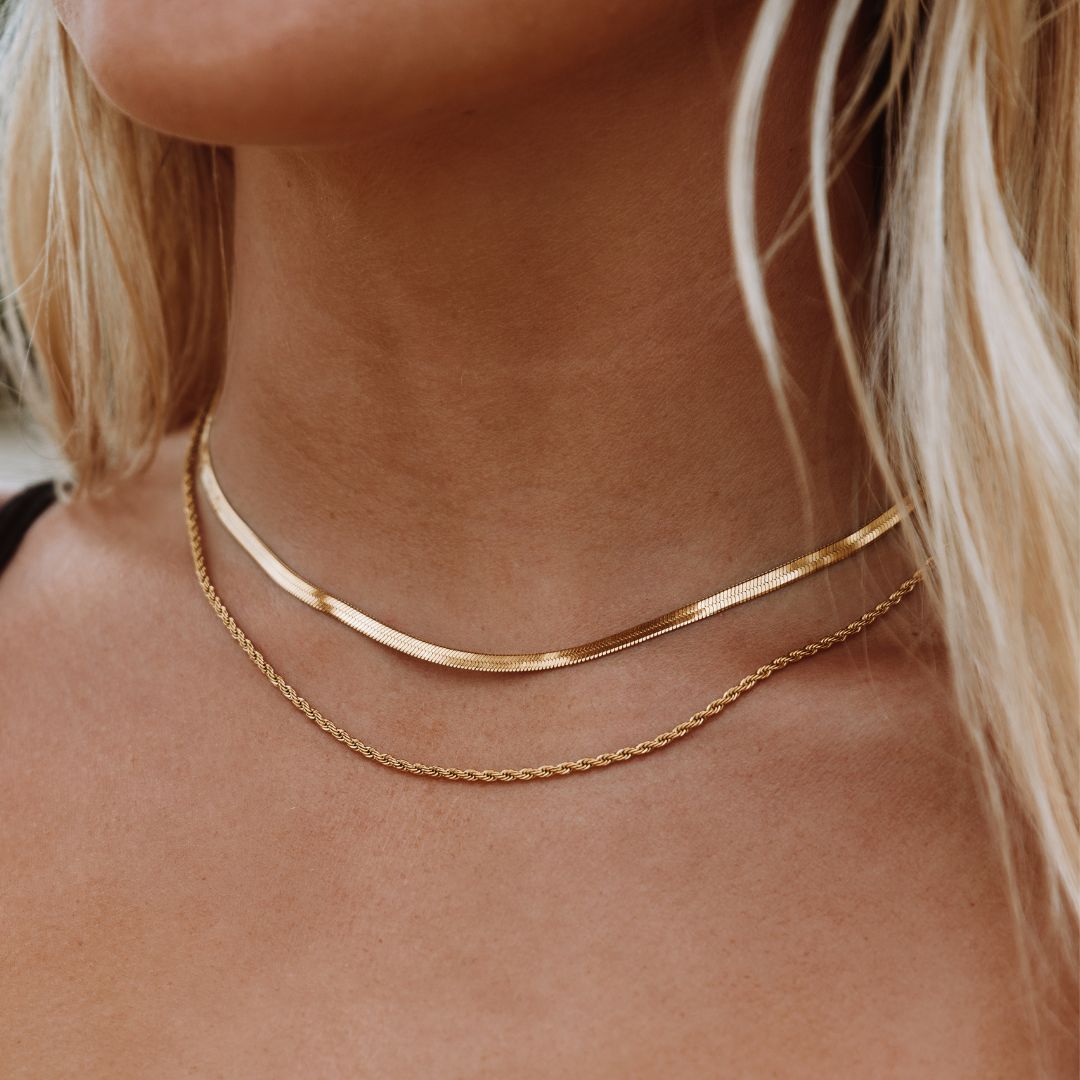
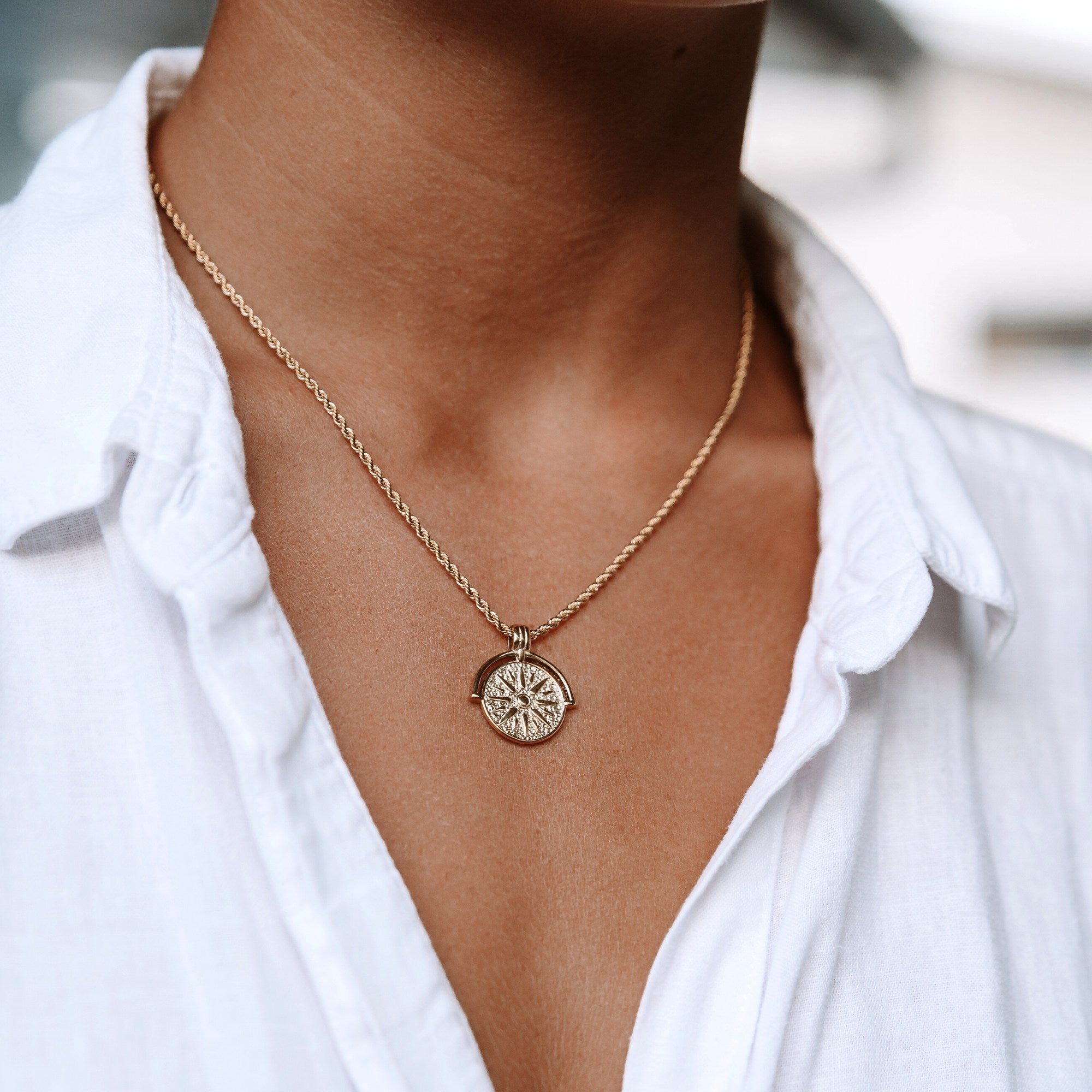
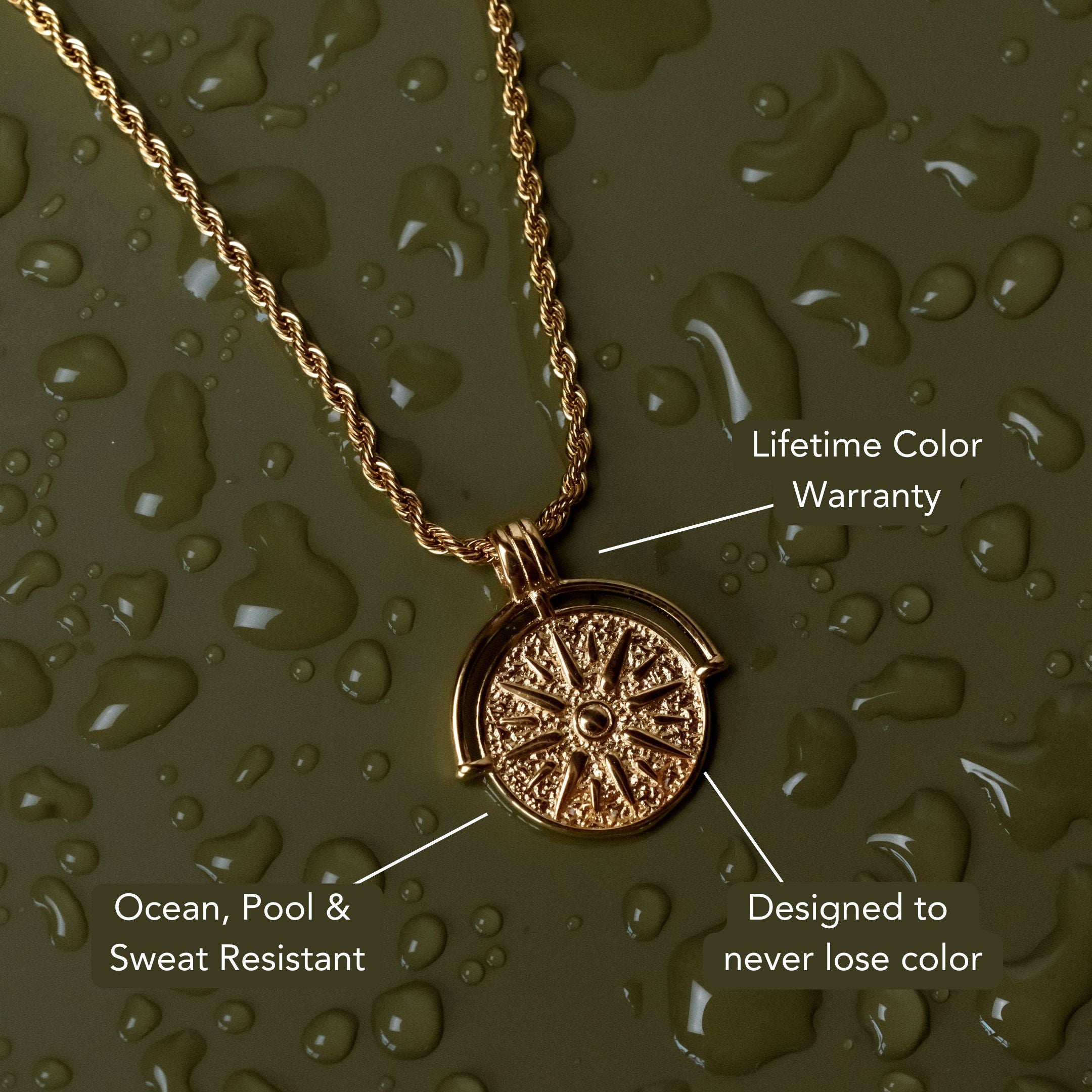
Jewelry is meant to last, but only if it is cared for properly. Knowing how to take care of your jewelry can be the difference between pieces that stay vibrant for years and ones that tarnish, scratch, or break down after just a few months of wear. If you love spending time outdoors and want jewelry that can keep up, our Sun Jewelry collection is built to resist fading and tarnish, even with regular sun and heat exposure.
In this guide, we will walk through everyday care habits, cleaning methods, and storage tips to help every piece in your collection stay looking its best.
Why Jewelry Care Matters
Even high quality jewelry can lose its shine, develop tarnish, or become damaged without proper care. Daily exposure to lotions, perfumes, sweat, sunlight, and water can gradually wear down metals and dull gemstones, while poor storage can lead to scratches, tangles, and broken clasps.
Taking a few simple precautions can dramatically extend the life of your jewelry, keeping pieces looking as good as the day you bought them, whether they were an affordable find or a treasured heirloom.

Everyday Habits That Protect Your Jewelry
Small daily habits make a bigger difference than most people realize when it comes to jewelry longevity.
Put jewelry on last. Apply makeup, perfume, hairspray, and lotion before putting on your jewelry, since these products can build up on metal surfaces and dull gemstones over time.
Take jewelry off before certain activities. Remove rings and bracelets before cleaning, exercising, gardening, or doing physical labor, since these activities expose jewelry to chemicals, impact, and excessive moisture.
Avoid sleeping in jewelry when possible. Friction against pillows and sheets can loosen clasps, bend delicate pieces, or cause tangling, especially with necklaces and earrings.
Be mindful in the kitchen. Cooking involves frequent handwashing, heat, and contact with food particles, all of which can affect jewelry, particularly rings and bracelets worn on active hands.
Building these small habits into your routine reduces wear and tear without requiring much extra effort.
How to Clean Different Types of Jewelry
Cleaning methods vary depending on the metal and gemstones involved, so using the wrong technique can sometimes do more harm than good.
Gold jewelry: Clean with warm water, a few drops of mild dish soap, and a soft bristled toothbrush to gently remove buildup. Rinse thoroughly and dry with a soft cloth.
Silver jewelry: Use a silver polishing cloth for light tarnish, or a gentle silver cleaning solution for more noticeable discoloration. Avoid excessive scrubbing, which can wear down detailed engravings over time.
Stainless steel and titanium: These durable metals can typically be cleaned with warm soapy water and a soft cloth, and they generally resist tarnish better than precious metals.
Gemstone jewelry: Research your specific stone before cleaning, since some gemstones are more delicate than others. Softer stones like opal, pearl, or turquoise should only be wiped with a damp cloth, while harder stones like diamonds and sapphires can typically handle a gentle soap and water cleaning.
Pearls: Wipe pearls with a soft, damp cloth after each wear to remove oils and residue, and avoid soaking them in water or cleaning solutions, since this can damage their delicate surface.
Always dry jewelry thoroughly after cleaning to prevent water spots or lingering moisture that could contribute to tarnish.

Proper Storage Techniques
How you store jewelry between wears has a major impact on its condition over time. Store pieces separately to prevent scratching, since harder gemstones and metals can easily damage softer materials when tossed together in a single container. Use a jewelry box with individual compartments, or soft pouches for pieces without a dedicated case, to keep items from tangling or rubbing against each other.
Keep jewelry away from direct sunlight and humidity when not in use, since prolonged exposure can cause certain gemstones and metals to fade or tarnish more quickly. For necklaces, hanging them individually or laying them flat in a lined drawer can help prevent the frustrating tangles that come from tossing chains into a single pile.
Protecting Jewelry From Water and Moisture
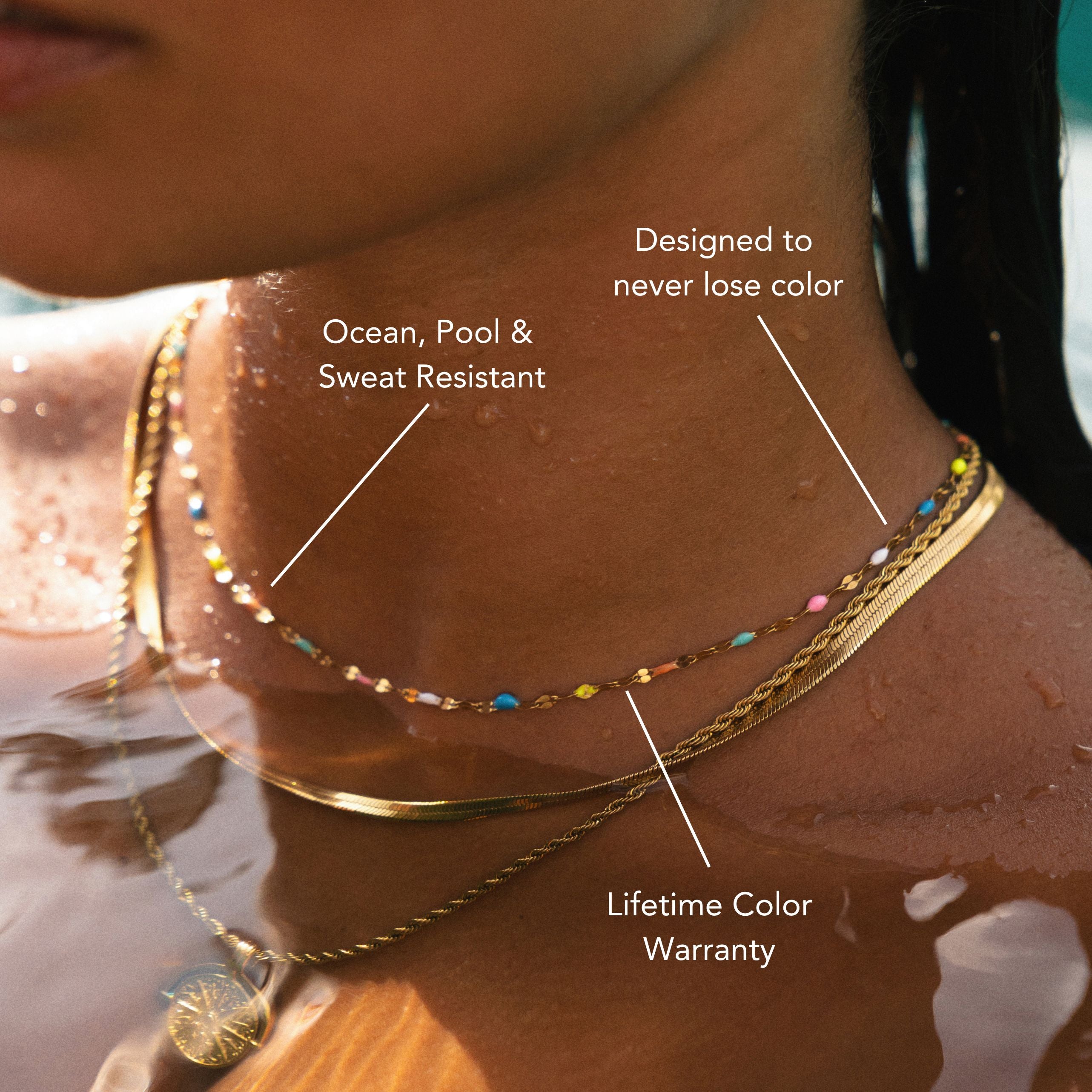
Water exposure is one of the most common causes of jewelry damage, particularly for plated pieces or those with adhesive set stones. Chlorine from pools, salt from ocean water, and minerals in hot tubs can all accelerate tarnishing and, in some cases, weaken glue used in certain settings.
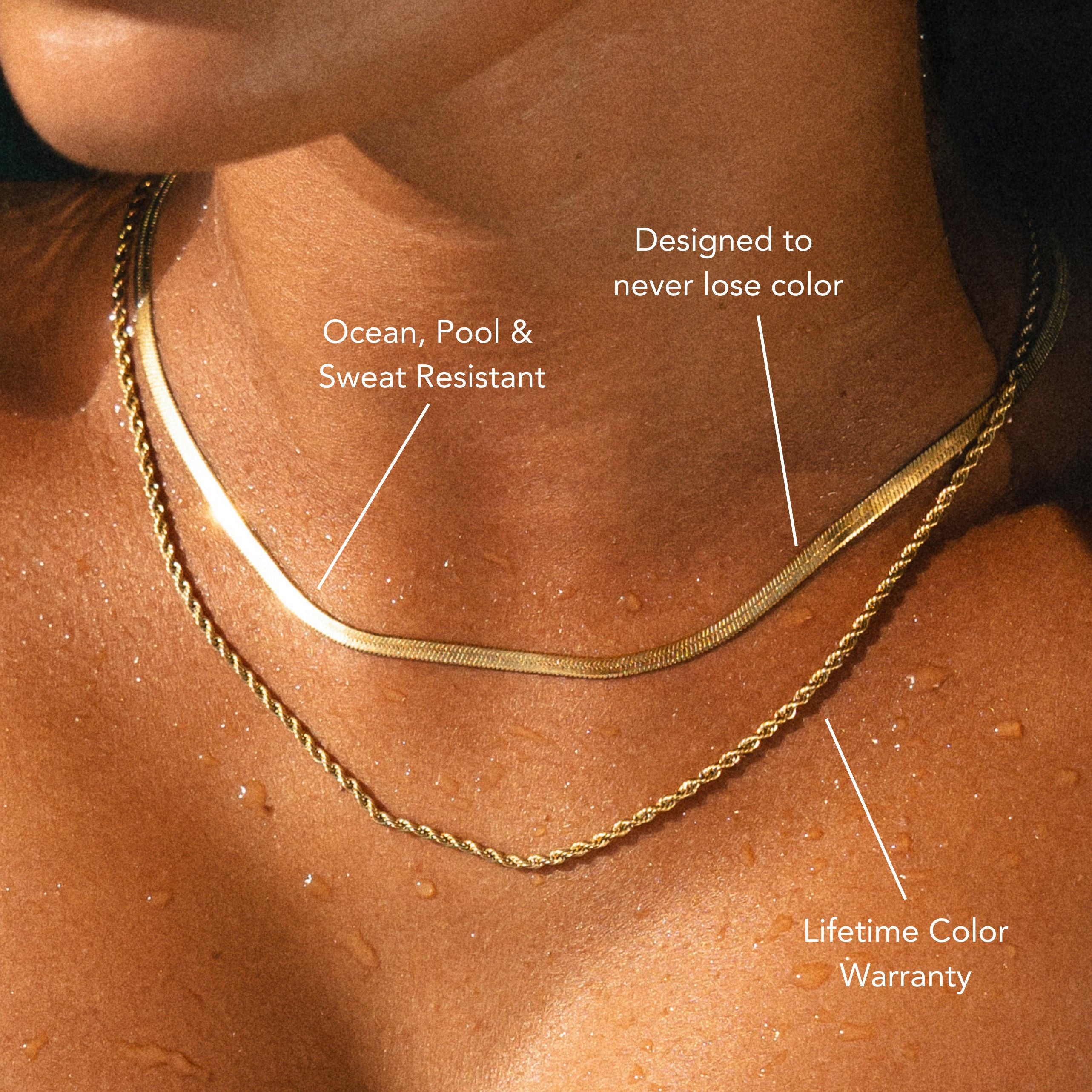
If you love wearing jewelry during swimming, showering, or other water based activities, choosing pieces specifically designed to handle moisture, like solid metals or water resistant coatings, allows you to keep your jewelry on without worrying about long term damage.

Protecting Jewelry From Sun and Heat
Along with water, prolonged sun and heat exposure can also affect certain types of jewelry over time. Some gemstones, like amethyst and citrine, can fade slightly with extended direct sunlight exposure, while certain plated metals may discolor or wear down more quickly in high heat conditions, such as a hot car or direct beach sun.
For anyone who spends a lot of time outdoors, whether at the beach, hiking, or simply running errands in a sunny climate, choosing jewelry made from resilient materials designed to withstand these conditions can make a noticeable difference in how long pieces stay looking new. Exploring a Sun Jewelry collection built specifically for heat and sun exposure is a smart choice for anyone who refuses to take their jewelry off, even during the sunniest parts of the year.
Handling Tangled or Delicate Chains
Delicate chains are especially prone to tangling and can be tricky to store without proper care. Using small clasps, straws, or individual pouches for thin chains prevents them from knotting with other pieces. If a chain does become tangled, laying it flat and using a pin or needle to gently work through the knot, along with a drop of baby oil to reduce friction, can help loosen it without pulling or stretching the links.

When to Take Jewelry to a Professional
While most jewelry care can be handled at home, certain situations call for a professional. If a clasp becomes loose or broken, a jeweler can repair it safely without further damage. If a gemstone feels loose in its setting, professional inspection prevents the stone from falling out and getting lost. Deep tarnish, significant scratches, or discoloration that does not respond to home cleaning may also benefit from professional polishing.
Routine check ins with a jeweler, especially for frequently worn pieces like engagement rings or daily earrings, can catch small issues before they become bigger problems.
Final Thoughts
Learning how to take care of your jewelry does not require expensive tools or complicated routines. Simple habits like applying jewelry last, cleaning pieces regularly, and storing them properly can add years to their lifespan. Paying attention to specific vulnerabilities, like water, sun, and heat exposure, helps you choose the right materials for your lifestyle and keep every piece looking its best.
With a bit of consistent care, your jewelry collection can stay vibrant and beautiful for years, whether you wear it every day or save it for special occasions.
Frequently Asked Questions
1. How often should I clean my jewelry? Most everyday jewelry benefits from a gentle cleaning every one to two weeks, though pieces worn daily may need more frequent attention to remove buildup.
2. Can I wear jewelry in the shower or pool? It depends on the material. Solid metals and water resistant pieces can typically handle moisture, while plated or delicate jewelry is better removed before water exposure.
3. Why does my jewelry tarnish so quickly? Tarnishing is often caused by exposure to lotions, perfumes, humidity, and air, and can be slowed by proper storage and regular cleaning.
4. What is the best way to store necklaces to avoid tangling? Hanging necklaces individually or storing them flat with a straw or clasp trick prevents chains from knotting together in storage.
5. Is sun exposure bad for jewelry? Extended direct sunlight can fade certain gemstones and affect some plated metals over time. A Sun Jewelry collection is designed specifically to resist this kind of damage for outdoor lovers.





コメントを書く
このサイトはhCaptchaによって保護されており、hCaptchaプライバシーポリシーおよび利用規約が適用されます。