

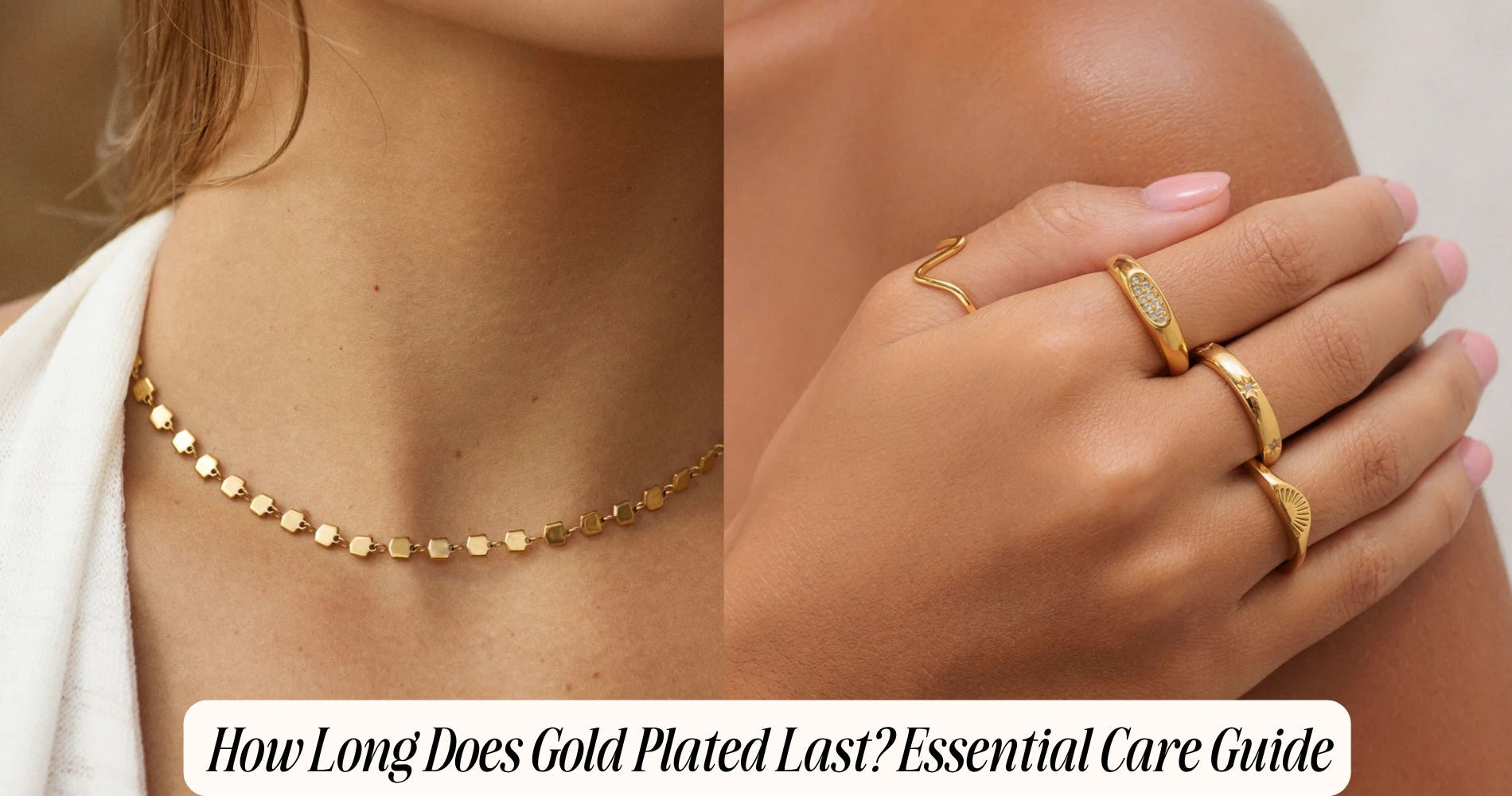
How Long Does Gold Plated Last? Essential Care Guide
Gold plated jewelry offers an accessible way to enjoy the warm, luxurious look of gold without the higher price tag of solid gold pieces. But because gold plating consists of only a thin layer of gold over a base metal, many people find themselves wondering how long does gold plated last before it begins to show signs of wear. Understanding the factors that influence its lifespan can help you get the most out of your jewelry and know what to expect over time.
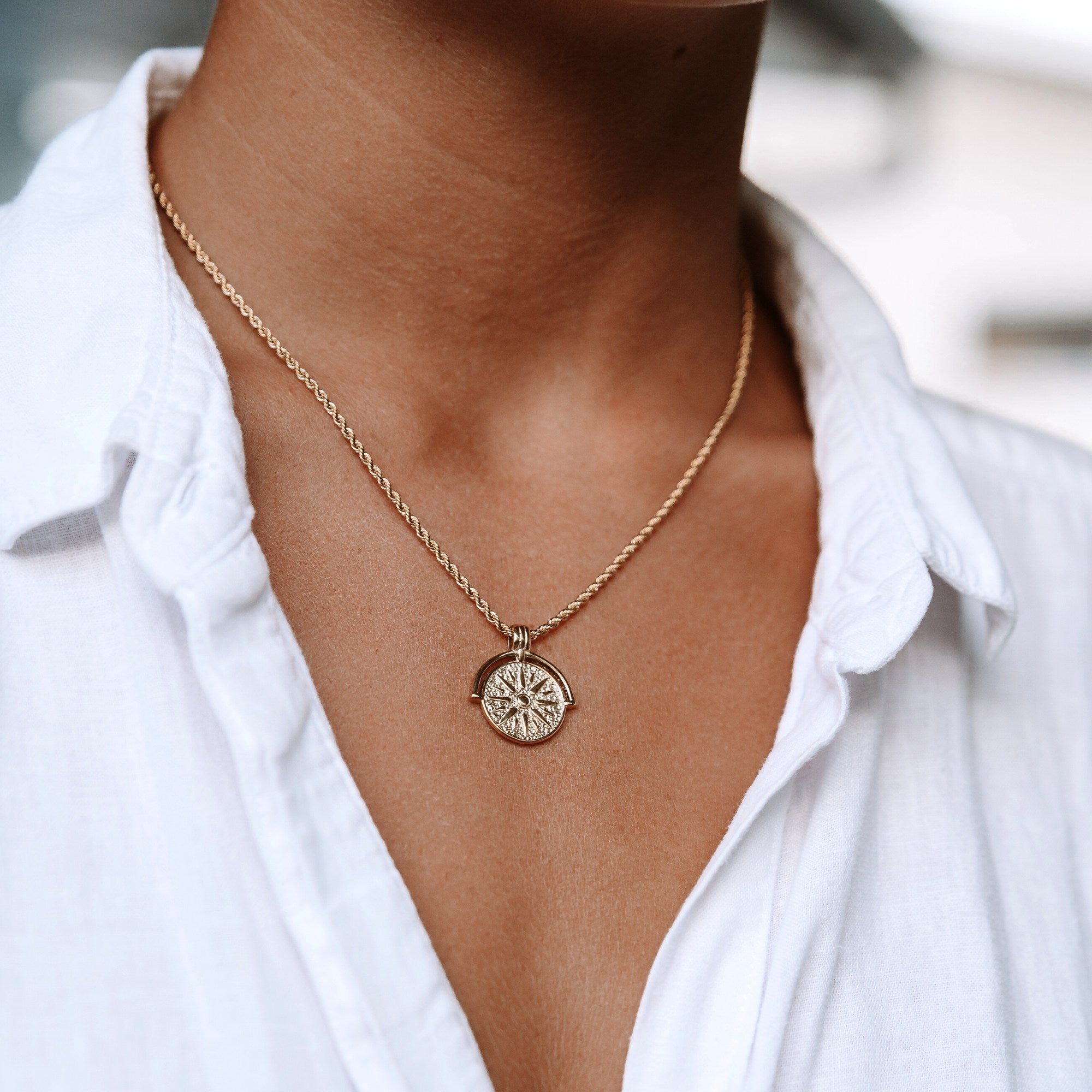
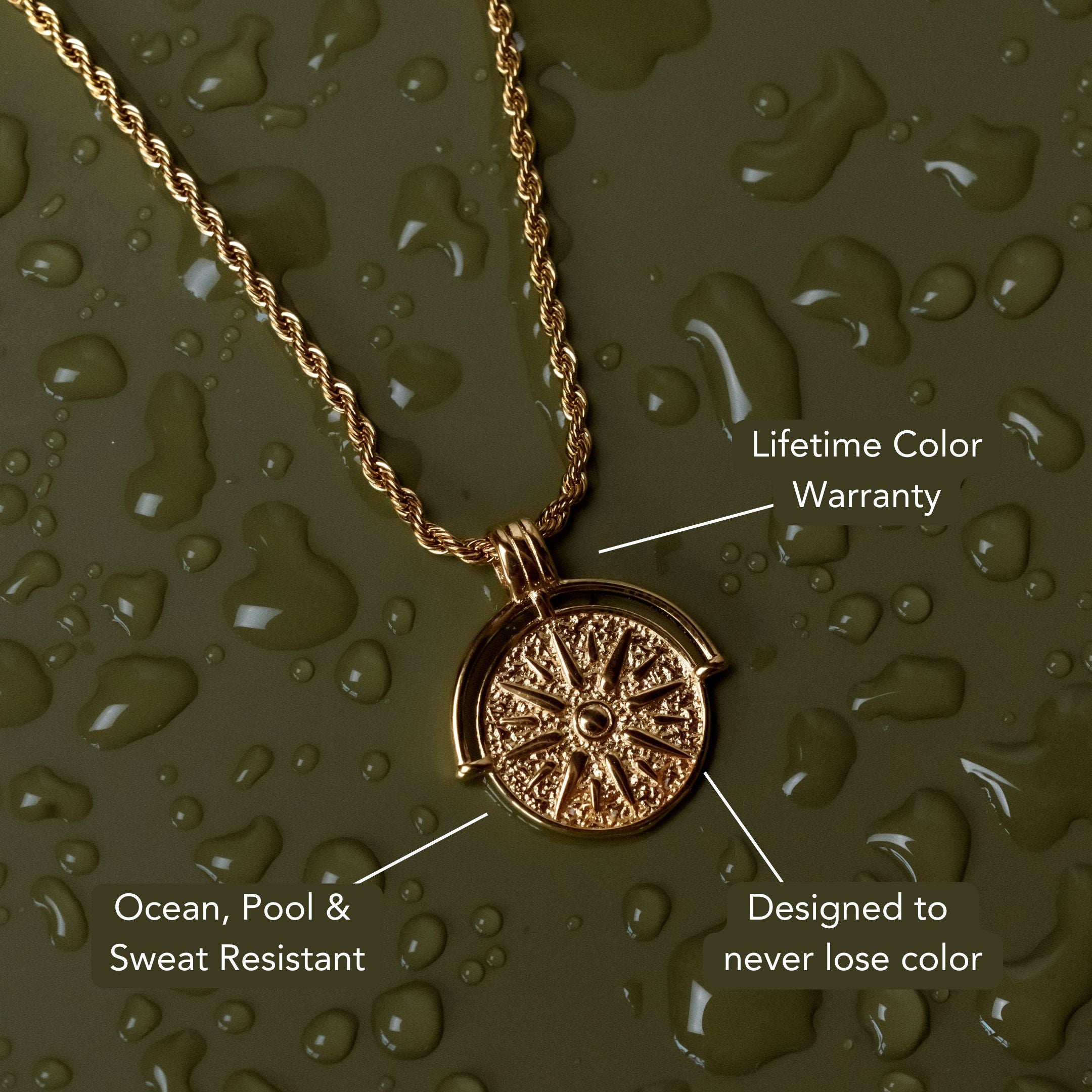
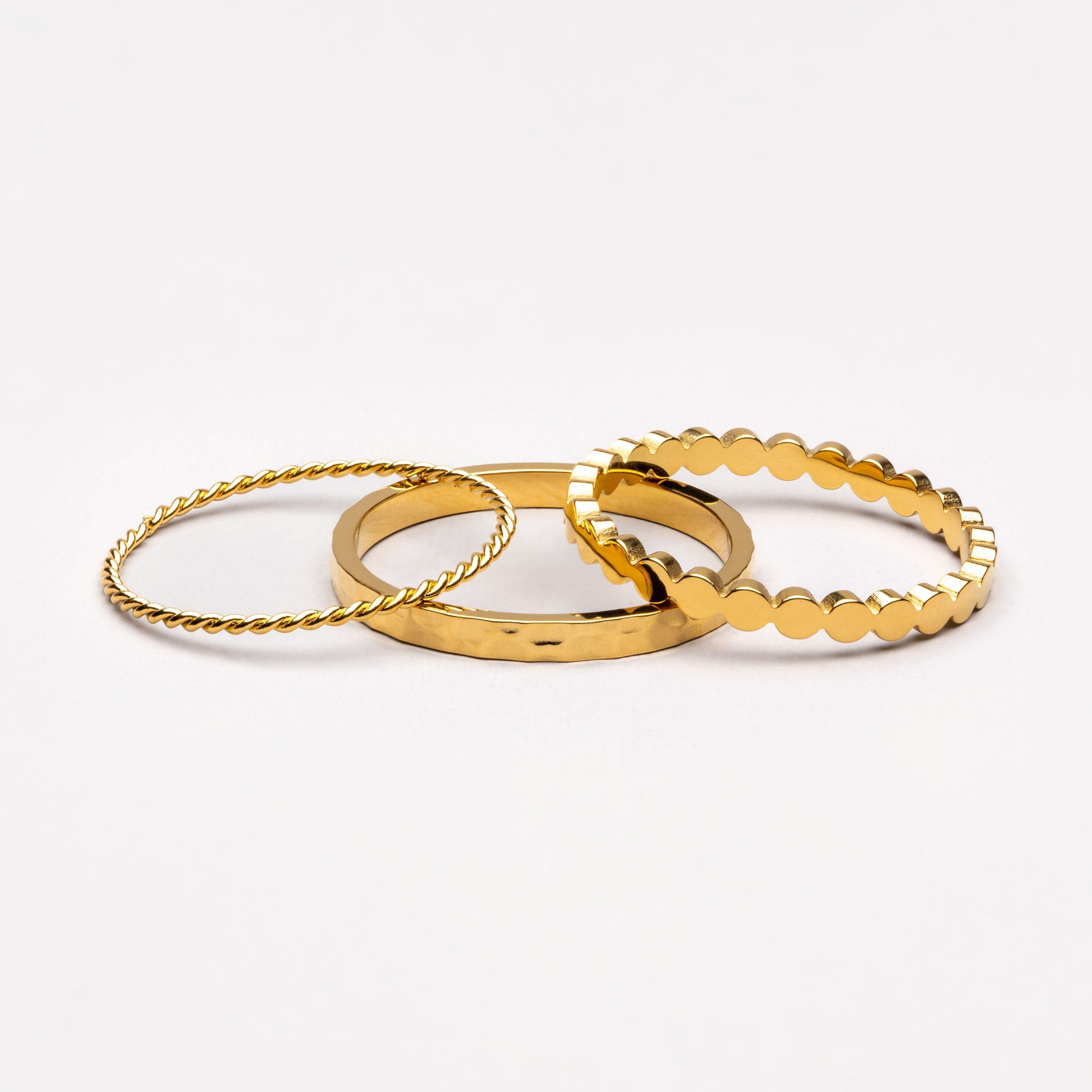
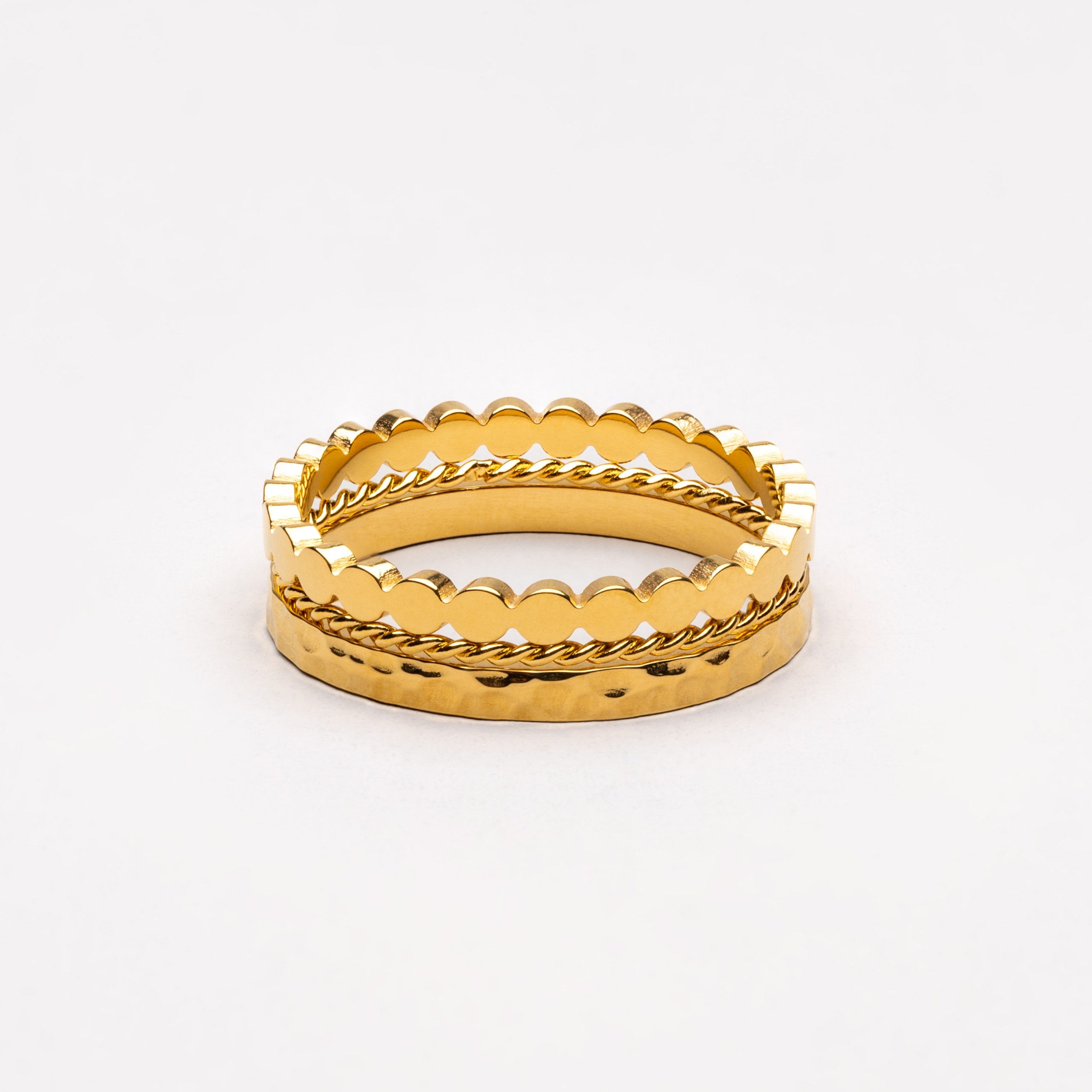
In this guide, we will explain what determines how long gold plated jewelry lasts, how to extend its lifespan through proper care, and how to recognize when it is time to consider replating or retiring a piece. If you love the look of gold but want something designed to withstand daily wear, our Everyday Gold Jewelry collection offers durable options built for regular use.
What Is Gold Plated Jewelry
Gold plated jewelry is made by applying a thin layer of gold onto a base metal, such as brass, copper, or sterling silver, through an electroplating process. This process bonds a small amount of real gold onto the surface of the piece, giving it the appearance of solid gold while significantly reducing the overall cost.
Because the gold layer is relatively thin compared to solid gold jewelry, plated pieces are inherently more susceptible to wear over time, particularly with frequent use or exposure to certain environmental factors.

How Long Does Gold Plated Jewelry Typically Last
On average, gold plated jewelry lasts anywhere from one to three years with regular wear, though this range can vary significantly depending on several factors, including the thickness of the plating, the base metal used, and how well the piece is cared for.
Some higher quality gold plated jewelry, particularly pieces with a thicker gold layer, can last considerably longer, sometimes five years or more, while lower quality plating may begin showing signs of wear within just a few months of regular use. This wide range is why understanding the specific factors that influence plating longevity is so important when evaluating or caring for gold plated jewelry.
Factors That Affect How Long Gold Plating Lasts
Thickness of the Gold Layer
The thickness of the gold plating, often measured in microns, is one of the most significant factors determining how long a piece will last. Thicker plating naturally takes longer to wear away compared to a thinner, more minimal layer. Higher quality gold plated jewelry typically uses a thicker layer, offering improved durability compared to cheaper, mass produced pieces with minimal plating.
Base Metal Quality
The metal underneath the gold layer also plays a role in overall durability. Base metals like brass or copper can sometimes react with the gold layer over time, particularly with exposure to moisture, potentially accelerating wear. Sterling silver, when used as a base metal, tends to provide a more stable foundation for gold plating compared to some other base metal options.

Frequency of Wear
Jewelry worn daily naturally experiences more friction, exposure to skin oils, and general wear and tear compared to pieces worn only occasionally. Rings and bracelets, in particular, tend to experience more friction than necklaces or earrings, since they frequently come into contact with surfaces throughout the day.
Exposure to Moisture and Chemicals
Water, sweat, lotions, perfumes, and cleaning products can all accelerate the breakdown of gold plating over time. Frequent exposure to these elements, particularly without removing jewelry beforehand, tends to shorten the overall lifespan of gold plated pieces significantly compared to jewelry that is kept dry and free from chemical exposure.
Storage Conditions
How gold plated jewelry is stored when not being worn also affects its longevity. Pieces stored loosely alongside other jewelry are more prone to scratching and friction related wear, while jewelry stored properly in a soft pouch or lined container tends to maintain its plating for a longer period.
Signs Your Gold Plating Is Wearing Off
Recognizing the early signs of plating wear can help you take action before the issue becomes more noticeable or difficult to address.
A change in color, often revealing a silver, yellow, or pinkish base metal tone beneath the gold layer, is one of the most common signs that plating has begun to wear through, particularly in high friction areas like the underside of rings or clasp areas of bracelets and necklaces. Dullness or a loss of shine, even without an obvious color change, can also indicate the gold layer is thinning. Flaking or peeling, while less common with quality plating, may occur with lower grade pieces or those exposed to particularly harsh conditions.
If you notice these signs developing, addressing them early, either through improved care habits or professional replating, can help extend the overall life of the piece.

How to Extend the Life of Gold Plated Jewelry
While gold plated jewelry will naturally wear over time, several care practices can help significantly extend its lifespan.
Remove gold plated jewelry before swimming, showering, or exercising, since prolonged exposure to water and sweat is one of the primary factors that accelerates plating wear. Apply perfume, lotion, and hairspray before putting on jewelry, rather than after, to minimize direct chemical exposure to the plated surface. Store gold plated pieces separately from other jewelry, ideally in a soft pouch or lined jewelry box, to prevent scratching from contact with harder materials. Clean gold plated jewelry gently using a soft, dry cloth, avoiding abrasive cleaning methods or polishing compounds designed for solid gold, which can wear away the thin plating more quickly. Avoid wearing gold plated jewelry during activities involving significant friction or physical exertion, since repeated contact with surfaces can accelerate wear in high contact areas.
Following these practices consistently can help gold plated jewelry maintain its appearance for a longer period, even though it will generally not match the longevity of solid gold.
Can Gold Plated Jewelry Be Replated
Yes, in most cases, gold plated jewelry can be replated once the original layer begins to wear away. Replating involves removing the existing worn plating and reapplying a fresh layer of gold through the same electroplating process used originally.
This service is typically offered by jewelers and can help restore a piece's original appearance, effectively extending its usable lifespan. Replating costs vary depending on the size and complexity of the piece, but it is generally a more affordable option than replacing the jewelry entirely, particularly for sentimental or frequently worn pieces.
Gold Plated Versus Gold Vermeil
It is worth distinguishing between standard gold plated jewelry and gold vermeil, a related but distinct category. Gold vermeil consists of a sterling silver base coated with a thicker layer of gold compared to standard plating, along with specific legal requirements regarding minimum gold thickness in some regions.
Because of this thicker gold layer and higher quality silver base, gold vermeil jewelry generally lasts longer than standard gold plated pieces, though it still requires similar care practices to maximize its lifespan compared to solid gold.

Is Gold Plated Jewelry Worth Buying
Whether gold plated jewelry is a good choice depends largely on your priorities and how you intend to use the piece. For trend focused, occasional wear items, or for those wanting to experiment with new styles without a significant financial investment, gold plated jewelry offers an accessible and attractive option.
For jewelry intended for frequent, everyday wear or long term sentimental value, solid gold or gold vermeil generally offer better durability and longevity, making them a more suitable investment for pieces meant to last for many years.
Final Thoughts
So, how long does gold plated last? On average, gold plated jewelry lasts between one and three years with regular wear, though this can vary significantly based on plating thickness, base metal quality, and how well the piece is cared for. By following proper care practices, such as avoiding excessive moisture and chemical exposure, you can meaningfully extend the lifespan of your gold plated pieces.
Whether you choose gold plated jewelry for its affordability and versatility or opt for more durable alternatives for long term wear, understanding these factors can help you make more informed decisions and get the most out of your jewelry collection.
Frequently Asked Questions
1. Does gold plated jewelry tarnish?
Gold plated jewelry can tarnish once the outer gold layer wears away, exposing the base metal underneath, which may be more prone to tarnishing depending on the specific material used.
2. Is gold plated jewelry waterproof?
Most gold plated jewelry is not fully waterproof, and prolonged water exposure can accelerate wear on the plating, so it is generally recommended to remove pieces before swimming or showering.
3. How often should gold plated jewelry be replated?
This depends on wear frequency and care, but many people choose to replate gold plated jewelry every one to two years to maintain its original appearance.
4. Is gold vermeil better than gold plated jewelry?
Yes, gold vermeil generally features a thicker gold layer over a higher quality silver base, making it more durable and longer lasting compared to standard gold plated jewelry.





コメントを書く
このサイトはhCaptchaによって保護されており、hCaptchaプライバシーポリシーおよび利用規約が適用されます。