

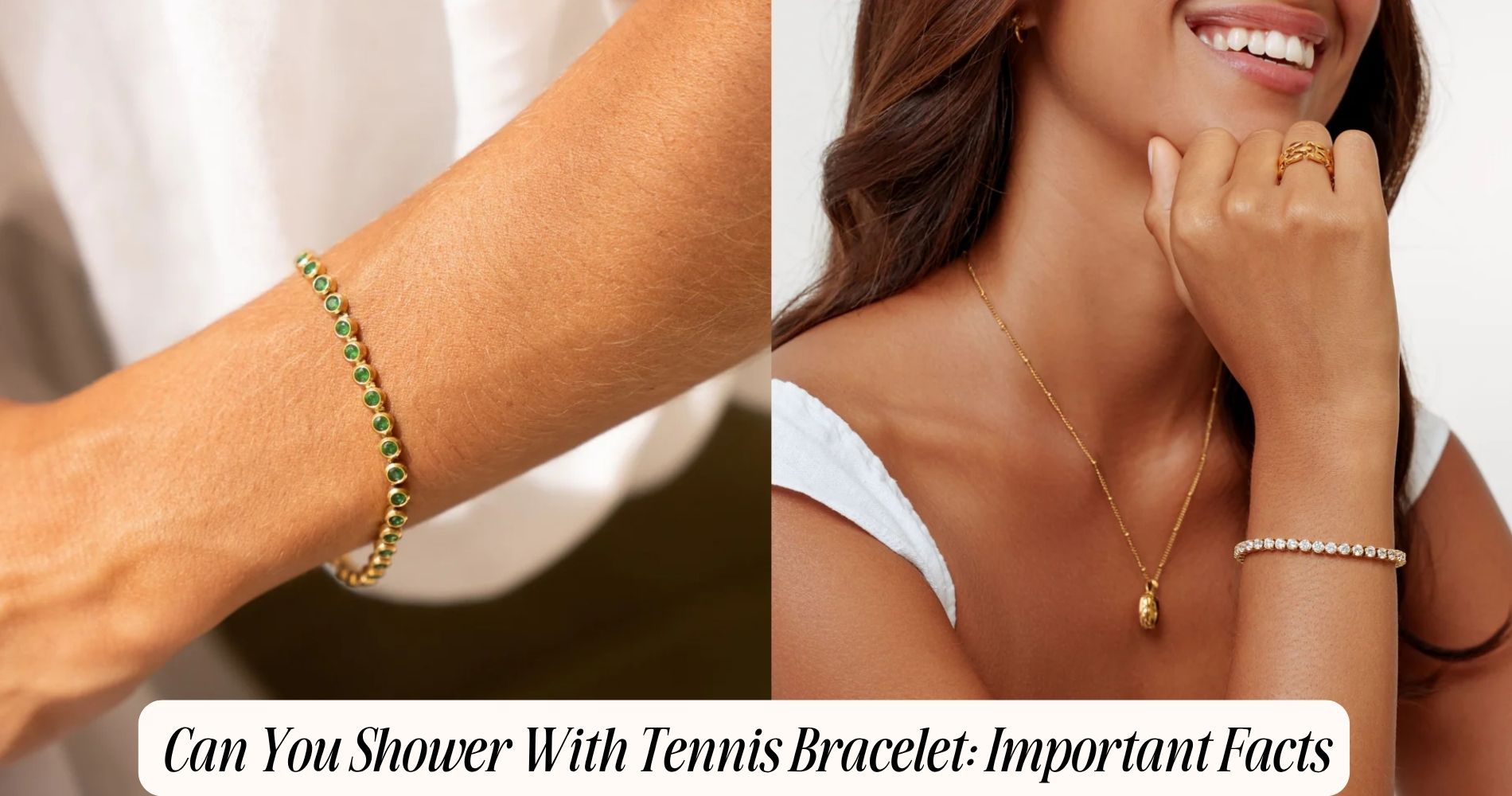
Can You Shower With Tennis Bracelet: Important Facts
It is the bracelet most people forget to take off, which makes the shower question genuinely relevant. If you are wondering can you shower with tennis bracelet, the answer depends almost entirely on what the bracelet is made from. Water alone is rarely the issue. The combination of water, soap, steam, and daily product residue is what separates materials that hold up from those that degrade quietly over weeks of exposure. Waterproof Bracelets designed for continuous wear handle that combination without a second thought. This guide covers what actually happens to a tennis bracelet in the shower, which materials survive it, and what to look for if you want one that genuinely lasts.
Can You Shower With Tennis Bracelet: It Depends on the Material
Material composition is the single most important variable in how a tennis bracelet handles shower exposure. The same shower, the same water, and the same products produce entirely different outcomes depending on what the bracelet is made from.
| Material | Shower Safe | Tarnish Risk | Setting Durability | Long-term Wear |
|---|---|---|---|---|
| Gold-plated brass or copper | No | High | Low | Plating fails within months |
| Sterling silver | No | Very high | Moderate | Tarnishes quickly, requires maintenance |
| Solid gold (14k and above) | Yes | Very low | High | Holds up well, expensive |
| Stainless steel (uncoated) | Yes | Very low | High | Durable but limited finish options |
| PVD-coated stainless steel | Yes | Negligible | Very high | Built for continuous wear |
| Cubic zirconia settings | Conditional | N/A | Moderate | Depends on setting metal |
| Diamond settings | Yes | N/A | High | Stone durable, setting depends on metal |
Gold-plated brass or copper: The most common construction for fashion tennis bracelets at accessible price points. The gold appearance comes from a thin plating layer over a reactive base metal. In the shower, the base metal begins oxidizing from beneath the plating, and the plating layer softens and loosens with repeated heat and soap exposure. Most gold-plated bracelets show visible degradation within three to six months of regular shower wear.
Sterling silver: Sterling silver tarnishes in normal air exposure. In the shower, the combination of steam, soap, and warm water accelerates that process significantly. A sterling silver tennis bracelet worn through daily showers will show visible discoloration within weeks. The settings can also trap soap residue that is difficult to clean without a proper jewelry cleaning routine.
Solid gold: Genuine gold at 14k and above does not react with water, soap, or steam. A solid gold tennis bracelet handles shower exposure without tarnishing or degrading. The trade-off is price. Solid gold tennis bracelets sit at a price point that places them firmly outside everyday accessible jewelry for most buyers.
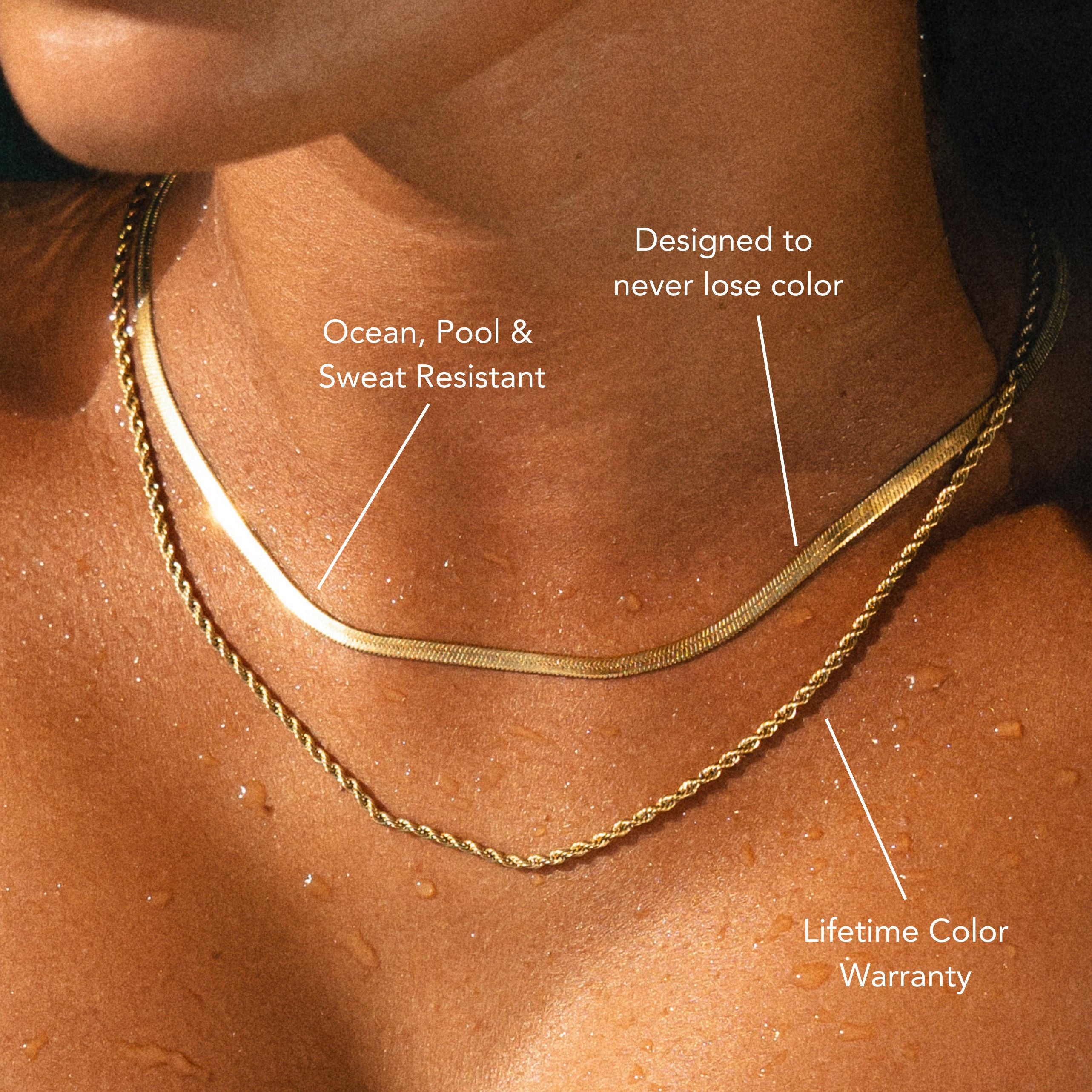
PVD-coated stainless steel: The most practical option for daily shower wear at an accessible price. PVD (Physical Vapor Deposition) bonds the finish layer to the stainless steel base at the molecular level, producing a coating 10 times thicker than standard plating. Stainless steel does not corrode or react with water, and the PVD layer holds through sustained moisture, soap, and steam exposure without lifting or dulling. This combination was specifically designed for continuous wear through the conditions that degrade other materials.

What Specifically Damages Tennis Bracelets in the Shower
Understanding the specific damage mechanisms helps you evaluate what is actually happening to a bracelet over time.
Plating degradation. The finish on plated pieces is a thin surface layer applied through electroplating. It has no molecular bond with the base metal beneath it. Repeated heat and moisture cycles expand and contract the metal, stressing that surface layer gradually until it separates from the base. Once the base metal is exposed, oxidation and discoloration follow quickly.
Setting loosening. Tennis bracelets use repetitive stone-in-metal settings across the entire length. Each setting is a small mechanical structure, either prongs holding a stone or a bezel surrounding it. Sustained water exposure softens solder joints on lower-quality pieces and, over years of daily shower wear, can loosen prong tips enough that stones begin to shift. This is a long-term risk on pieces that were not designed for continuous water exposure.

Soap and product buildup. The alternating link and stone construction of a tennis bracelet traps soap, conditioner, and body wash residue in every gap. Dried product residue dulls the finish and, on porous stones like opals or turquoise, can cause permanent cloudiness. Cubic zirconia and harder stones like diamonds are more resistant to this, but the metal setting still accumulates residue that requires cleaning.
Chlorine from tap water. Municipal tap water contains low levels of chlorine as a disinfectant. Over extended daily exposure, chlorine is mildly reactive with metals, particularly copper-based alloys. This is a minor factor in regular shower water but becomes more significant with pool exposure.
How to Protect a Tennis Bracelet If You Do Wear It in the Shower
If you have a plated tennis bracelet and want to extend its life through occasional shower exposure, a few consistent habits slow the damage.
Rinse the bracelet thoroughly with clean water after every shower to remove soap and product residue before it dries in the settings. Pat dry with a soft cloth immediately rather than letting it air dry, which leaves mineral deposits on the surface from tap water evaporation.

Store the bracelet in a dry, airtight container when not wearing it. Humidity in a bathroom accelerates tarnishing on standard plated pieces even when they are not being worn, so a bedroom drawer or dry jewelry box is a better default storage location.
Avoid applying body wash, shampoo, or conditioner directly over the bracelet. The concentration of product at the point of contact accelerates residue buildup in the settings compared to the diluted rinse-off that happens naturally in the shower stream.
These steps extend the life of a plated bracelet, but they do not change the fundamental material limitation. A bracelet that was not designed for water exposure will eventually show the effects of repeated shower wear regardless of how carefully it is maintained.
Frequently Asked Questions
Can you shower with a tennis bracelet every day?
It depends on the material. Solid gold and PVD-coated stainless steel tennis bracelets handle daily shower exposure without degrading. Gold-plated and sterling silver pieces will show visible finish degradation within weeks to months of regular shower wear. If you prefer not to remove your bracelet for the shower, the base material rather than the finish appearance is what determines whether that is practical long-term.
How do I clean a tennis bracelet that has soap buildup?
Soak the bracelet in warm water with a small amount of mild dish soap for five to ten minutes. Use a very soft toothbrush to gently clear residue from the settings and links, then rinse thoroughly with clean water and dry immediately with a soft cloth. Avoid ultrasonic cleaners on plated pieces as the vibration can accelerate plating separation.
Does water loosen the stones in a tennis bracelet?
On well-constructed pieces with secure settings, water exposure alone does not loosen stones. The risk comes from weakened solder joints on lower-quality pieces, soap residue buildup that puts pressure on prong tips, or long-term metal fatigue from repeated thermal expansion and contraction. Having the settings checked periodically by a jeweler is good practice for any tennis bracelet worn daily through water exposure.
What is the best tennis bracelet for everyday wear including showers?
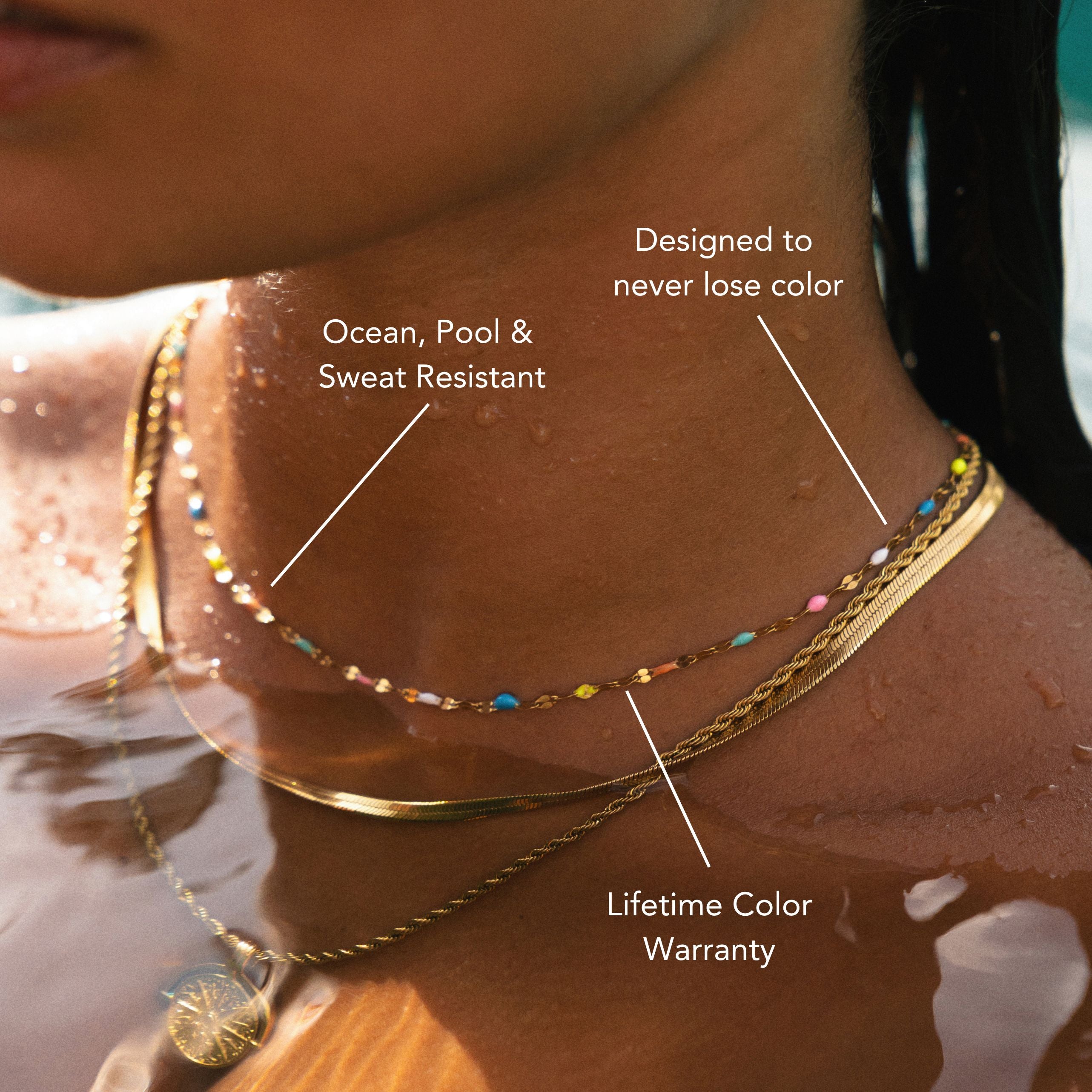
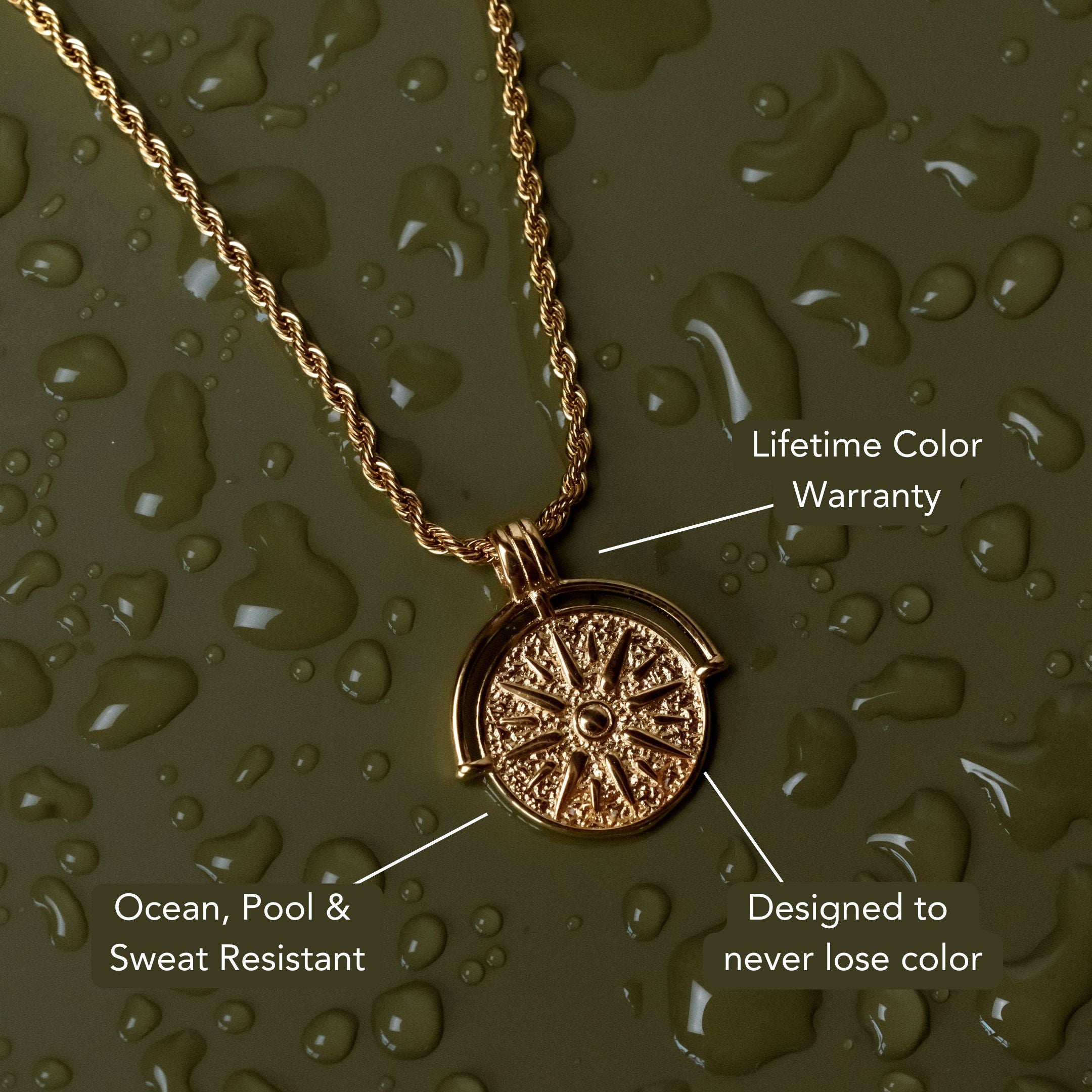
A tennis bracelet on a PVD-coated stainless steel base provides the most practical combination of durability, finish consistency, and water resistance at an accessible price. The PVD coating holds through daily shower exposure, gym workouts, and beach and pool sessions without the finish lifting or the base metal corroding. ATOLEA's waterproof bracelet range is built on this construction, with a lifetime color warranty on every piece.
Conclusion
Can you shower with tennis bracelet has a direct answer once you look at the material rather than the style: gold-plated and sterling silver pieces are not built for it and will show the damage over time. Solid gold handles it but at a price point most buyers are not working with for an everyday piece. PVD-coated stainless steel is the practical answer, built specifically for continuous wear through the shower, pool, gym, and everything else in a normal day. If the bracelet is already on your wrist when you step into the shower, that material is what determines whether it still looks the same six months from now.





コメントを書く
このサイトはhCaptchaによって保護されており、hCaptchaプライバシーポリシーおよび利用規約が適用されます。